
I. Overview of Dissolved Oxygen Membrane Maintenance Kit
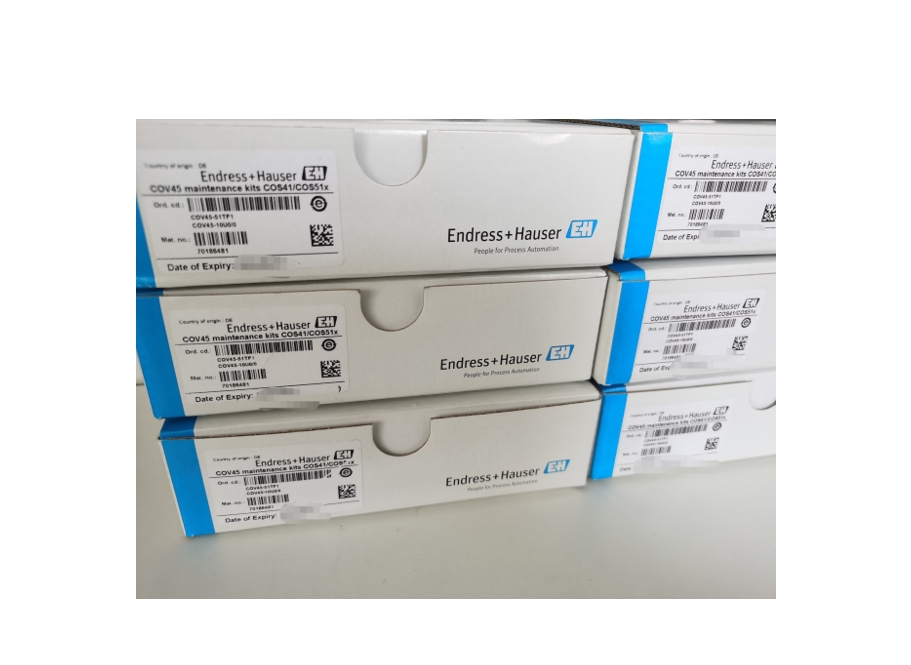
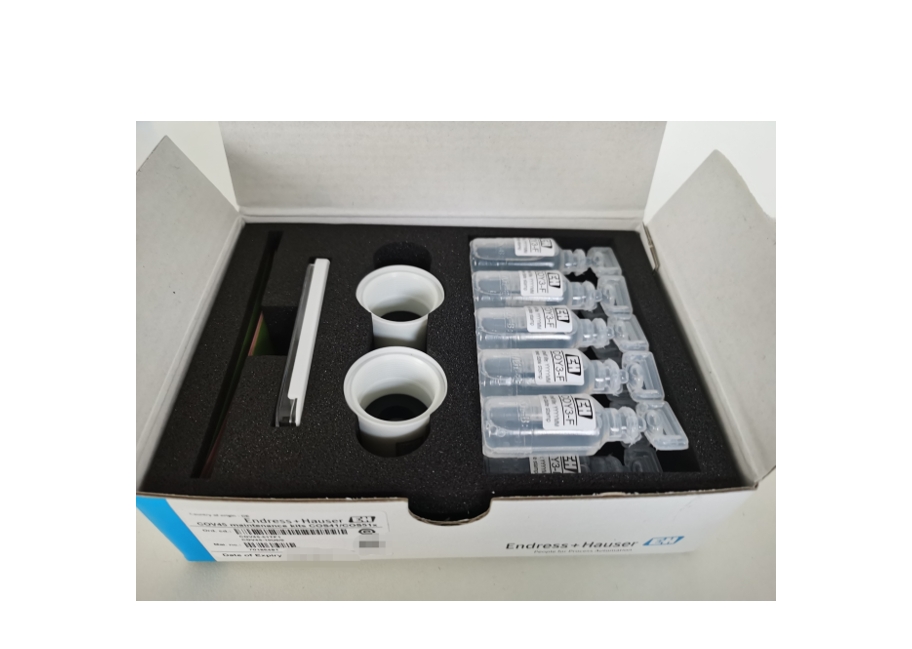
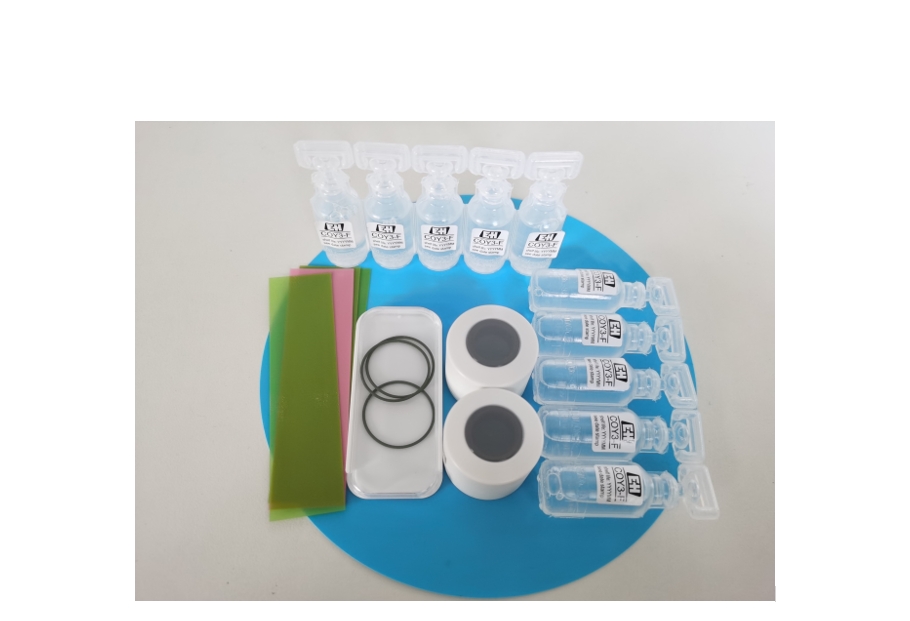
COV45-51TF1 and COV45-10U0/0 are key membrane components in the E+H dissolved oxygen maintenance kit, used for sealing and protecting the electrolytic cell. Proper use of the membrane ensures electrolyte sealing, measurement accuracy, and long-term stable operation of the equipment. This article is intended for engineering technicians and procurement personnel, systematically outlining their usage scenarios, precautions, and replacement procedures.
II. Main Usage Scenarios
2.1 Routine Maintenance
In daily use, using the maintenance kit membrane to service the electrolytic cell ensures electrolyte sealing and measurement accuracy.
- Regularly check the membrane condition to prevent electrolyte leakage.
- Keep the electrolytic cell clean to avoid impurities affecting readings.
2.2 Troubleshooting
When the electrolytic cell malfunctions or operates abnormally, use the maintenance kit membrane for troubleshooting, check for electrolyte leakage, and ensure the equipment returns to normal operation.
- Investigate measurement value drift or slow response issues.
- Confirm whether the membrane is damaged or contaminated.
III. Usage Precautions
3.1 Correct Use and Operation
Follow the manufacturer's operating instructions to correctly install and use the membrane, avoiding equipment damage or impact on measurement accuracy. Read the instructions carefully before use and follow the precautions and recommendations therein.
3.2 Cleaning and Replacement
Before using the membrane, clean the electrolytic cell and related components first to ensure the surface is clean and free of impurities. Regularly check the membrane's integrity and replace it promptly if damaged or contaminated.
3.3 Storage and Preservation
Store the membrane in a dry, cool place, avoiding direct sunlight and high-temperature environments. Keep the membrane clean and intact, avoiding damage or contamination.
3.4 Professional Operation
For more complex maintenance operations or troubleshooting, it is recommended to have professionals perform the work or seek manufacturer technical support to ensure proper equipment operation and performance.
IV. Membrane Aging and Replacement Criteria
4.1 Aging Replacement
When the membrane is found to be aged, discolored, or has lost elasticity, it should be replaced. This typically occurs after prolonged use or exposure to harsh environments such as high temperatures or UV radiation.
4.2 Damage Replacement
If the membrane is found to have cracks, damage, or corrosion, it should be replaced immediately. This may be caused by external impact, chemical corrosion, or other physical damage.
4.3 Performance Degradation
If the electrolytic cell's measurement performance declines or accuracy is affected, it may be due to membrane performance degradation. At this point, inspect and replace the membrane.
4.4 Replacement Criteria
| Symptom | Possible Cause | Recommended Action |
|---|---|---|
| Membrane discoloration, loss of elasticity | Aging, high temperature, or UV exposure | Replace immediately |
| Cracks, damage, corrosion | External impact, chemical corrosion | Replace immediately |
| Measurement value drift, decreased accuracy | Membrane performance degradation | Inspect and replace |
V. Membrane Replacement Steps and Precautions
5.1 Replacement Steps
- Preparation: Turn off the electrolytic cell power to ensure the equipment is in a safe state. Prepare the new membrane, gloves, cleaning agents, and other tools and materials.
- Cleaning: Thoroughly clean the electrolytic cell surface, removing oil, dust, and other impurities to ensure the new membrane's sealing and long-term performance.
- Proper Installation: Install the new membrane according to the manufacturer's guidelines or instructions, ensuring the membrane is flat, wrinkle-free, and fully conforms to the electrolytic cell surface. Avoid using excessive adhesive.
- Testing and Verification: After replacement, test and verify the electrolytic cell's measurement accuracy and performance, including checking electrolyte sealing and measurement reading accuracy.
- Storage and Preservation: Unused membranes should be stored in a dry, cool place, avoiding direct sunlight and high temperatures, and kept clean and intact.
- Professional Operation: Complex operations should be performed by professionals or in consultation with manufacturer technicians.
5.2 Replacement Precautions
- Always disconnect power before replacement to ensure safety.
- Avoid using corrosive solvents during cleaning.
- Avoid direct finger contact with the membrane surface during installation to prevent contamination.
- Do not put into operation until testing and verification are passed.
VI. Summary
Properly replacing the COV45-51TF1 and COV45-10U0/0 E+H dissolved oxygen maintenance kit membranes ensures the electrolytic cell operates normally and measures accurately. Following the precautions and usage instructions can reduce unnecessary faults and errors. If you have questions or encounter problems, it is recommended to consult professionals or manufacturer technicians promptly.
Large stock available, welcome to purchase.