
71161133 Transmitter Board Power Supply Overview
71161133 transmitter board power supply is a commonly used power supply module in industrial process control systems, available from stock, suitable for CPM223, CLM223, COM223, CUM223 series transmitters and analyzer equipment.
This article focuses on the correct use, configuration, replacement, selection, and maintenance of this power board, providing actionable operational references for engineering technicians and procurement personnel.
I. Correct Usage Methods
Correct usage is the prerequisite for ensuring the stable operation of the 71161133 power board. It is recommended to operate according to the following steps:
- Connect power: Correctly connect the power cord to the power board, and confirm that the power supply voltage meets the rated requirements of the power board.
- Turn on power: Press the power switch or start the power board through software as required by the equipment.
- Monitor status: Observe the indicator lights or display screen to confirm that the power supply is working normally, and handle abnormalities promptly.
- Record data: Record operating data such as voltage, current, and temperature as needed.
- Turn off power: After work is completed, turn off the power or exit the relevant software as required by the equipment.
II. Configuration Points
Reasonable configuration can improve the compatibility between the power board and the equipment. Mainly focus on the following aspects:
- Select a power board with appropriate model and specifications according to equipment requirements.
- Choose a matching power cord based on the input voltage and current requirements of the power board.
- Configure appropriate heat dissipation devices or protection devices according to the working environment.
- Configure relevant control circuits or sensors as needed.
III. Replacement Steps
When replacing the 71161133 transmitter board power supply, strictly follow the process below to avoid damaging other components:
- Disconnect power: Ensure the power is off and wait for residual electricity to be fully released.
- Remove old board: Remove the old power board according to the equipment structure, taking care not to damage other components or wiring.
- Install new board: Insert the new power board in the correct direction and position, ensuring a firm connection.
- Connect power cord: Connect the power cord to the new board, and confirm the connection is correct and secure.
- Test equipment: Start the equipment, check whether the new power board works normally, and record data.
- Record replacement information: Register information such as replacement time and model for subsequent maintenance management.
IV. Selection and Application Guide
Selection directly affects the performance and lifespan of the power board. It is recommended to evaluate from the following dimensions:
- Choose a power board with an appropriate input voltage and current range.
- Prioritize brands and models with good stability and high reliability.
- Select products with appropriate protection ratings and adaptability according to the working environment.
- Pay attention to electrical performance indicators such as low noise and low ripple.
- Consider whether the size and weight are suitable for equipment installation requirements.
- Understand heat dissipation performance to ensure normal operation in high-temperature environments.
- Choose a power board with high maintainability and easily replaceable components.
- Comprehensively consider cost-effectiveness and total cost, and choose the model that best meets actual needs.
Comparison of Key Selection Parameters
| Parameter Item | Key Points | Recommendation |
|---|---|---|
| Input voltage/current | Match equipment power supply | Leave margin, avoid full load |
| Output ripple | Affects measurement accuracy | Prefer low-ripple models |
| Protection rating | Adapt to on-site environment | Choose according to dust and humidity |
| Heat dissipation performance | Determines high-temperature stability | Confirm heat dissipation channels are unobstructed |
| Maintainability | Affects downtime | Prefer easy component replacement |
V. Precautions and Maintenance
Routine maintenance can effectively extend the service life of the 71161133 power board. It is recommended to implement the following measures:
- Regularly check the appearance and connections of the power board for abnormalities, and handle them promptly.
- Regularly clean dust and dirt. Never use chemical or corrosive cleaning agents.
- Pay attention to heat dissipation, ensuring that heat dissipation channels or heat sinks are working properly.
- Avoid overload use or overheating operation to prevent damage or performance degradation.
Product Photos and Stock Information
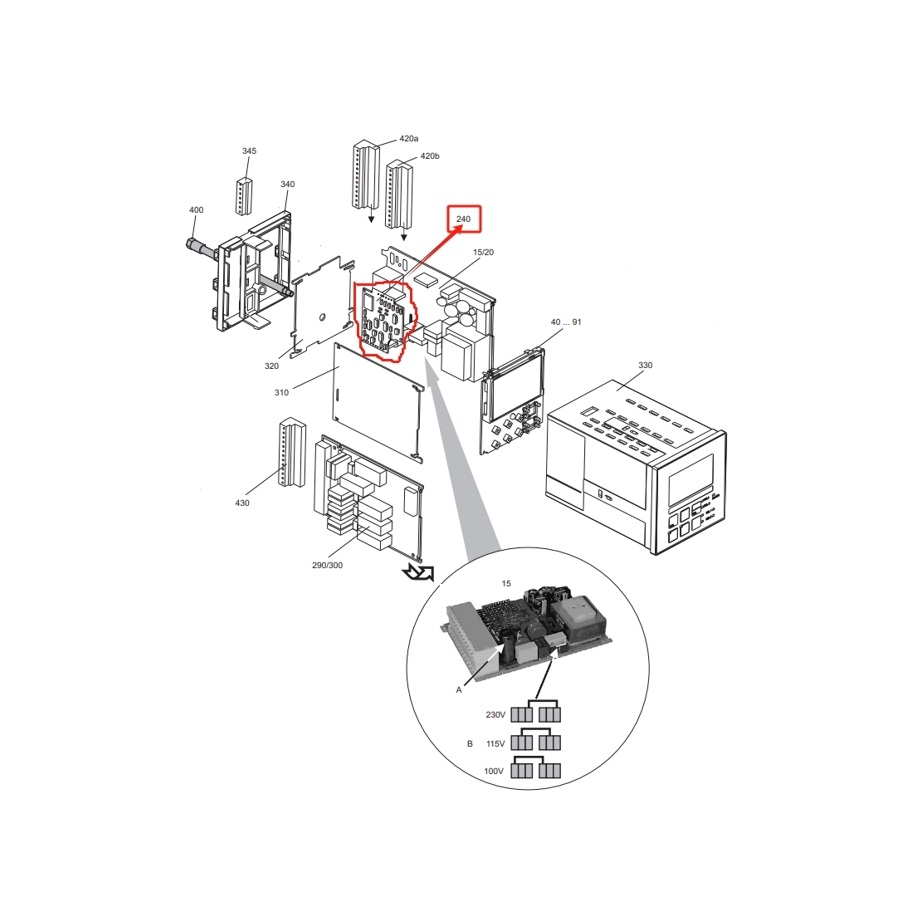
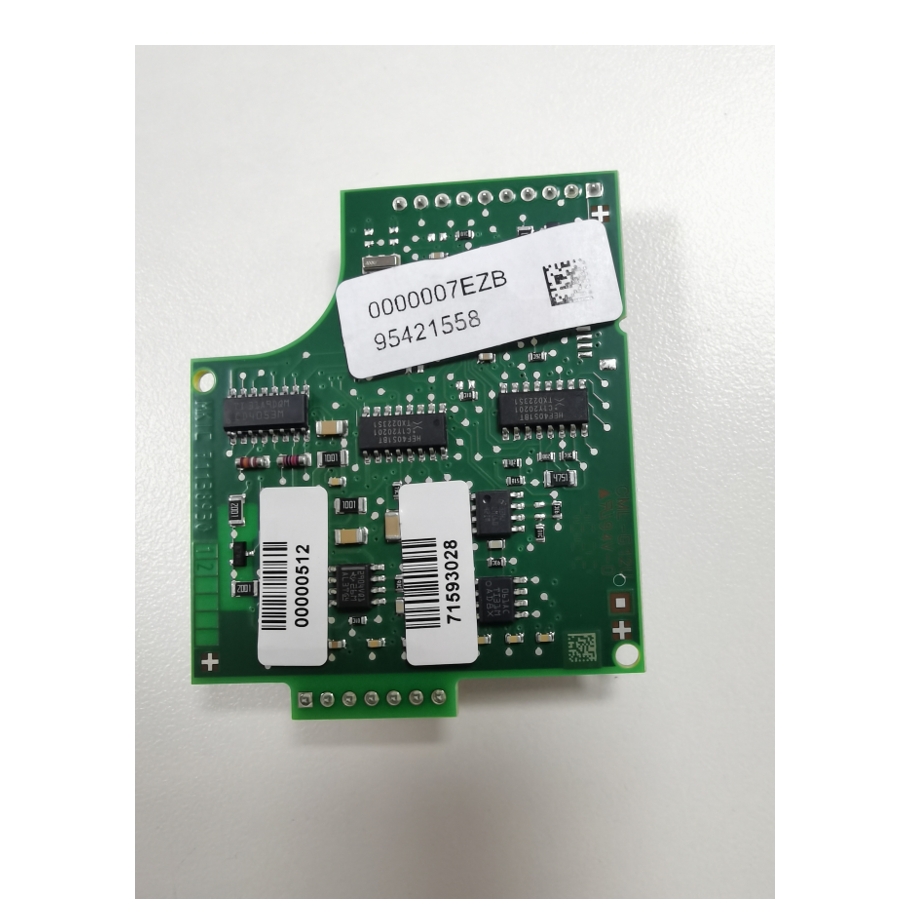
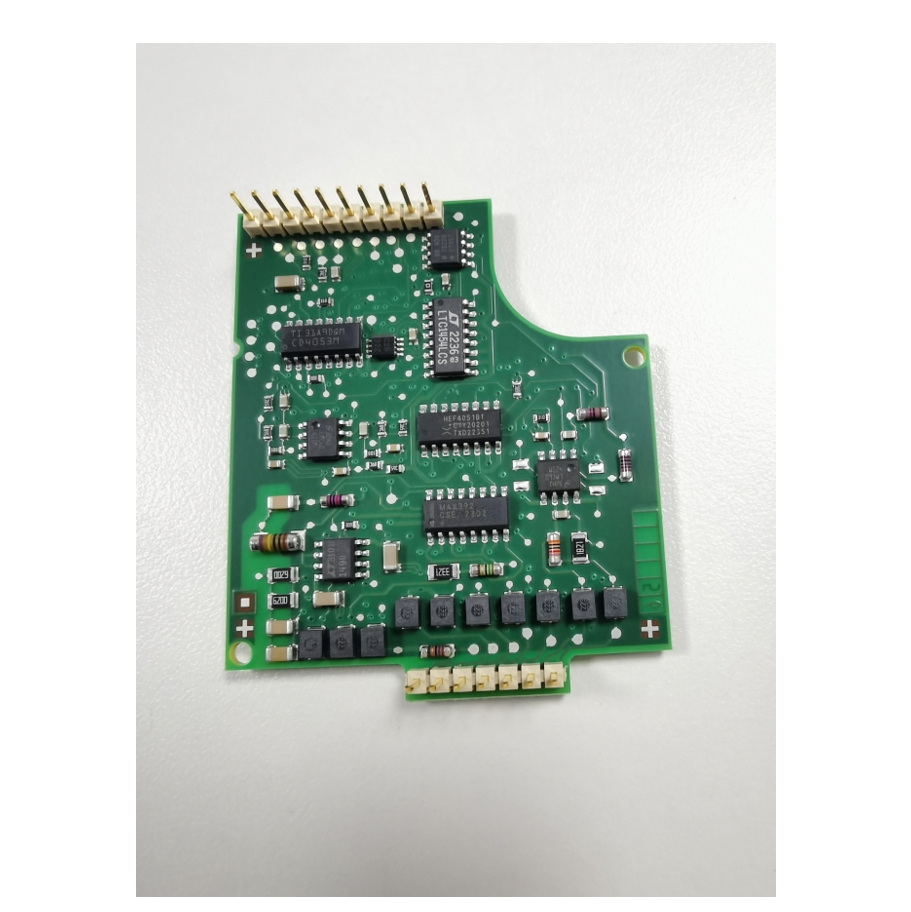
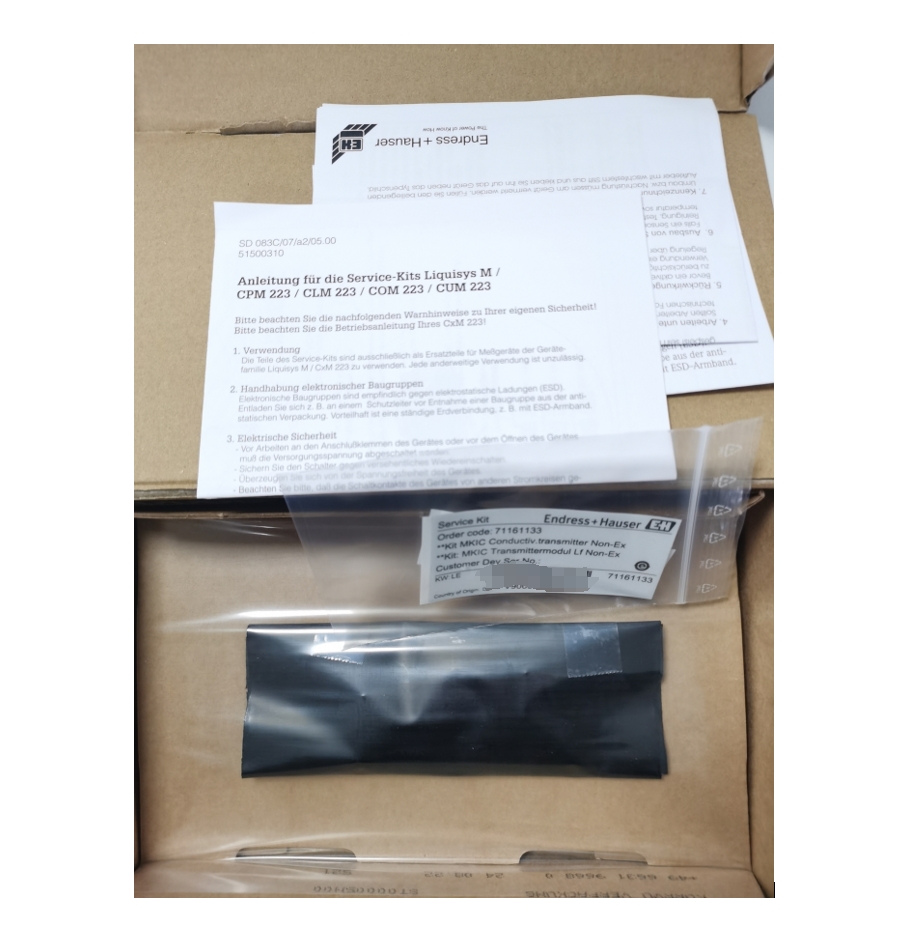
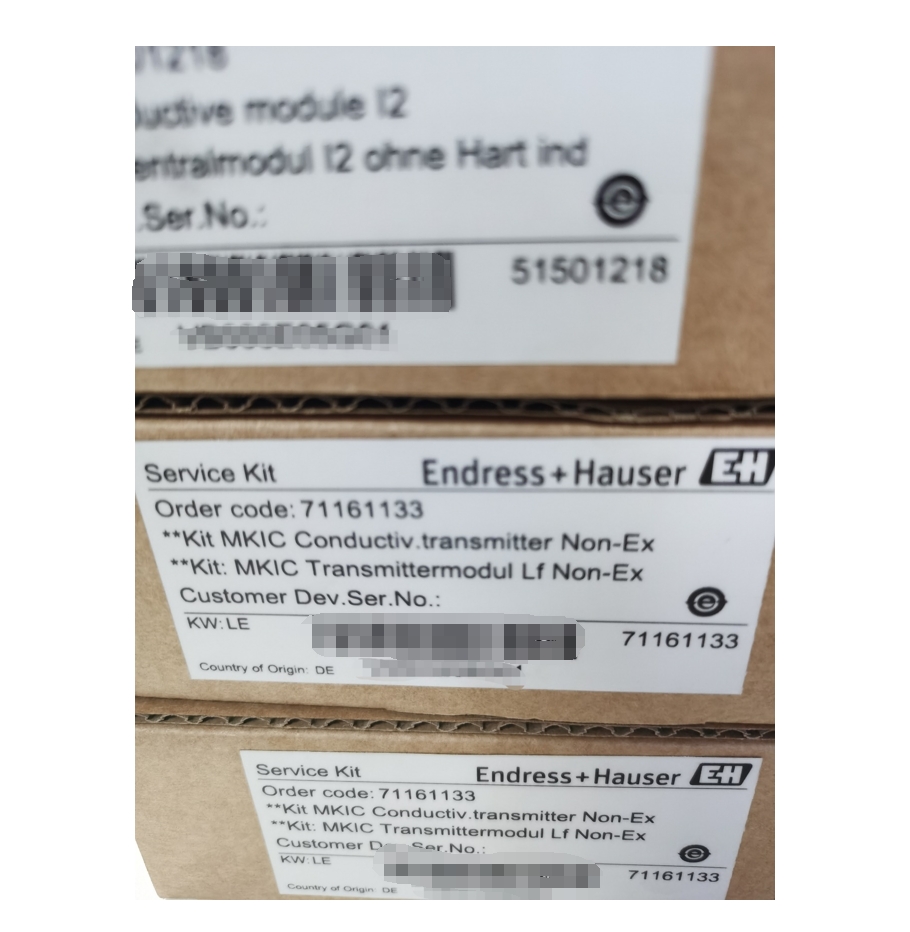
The following are actual images of the 71161133 transmitter board power supply. Sufficient stock is available, welcome to purchase.
For more information, it is recommended to consult relevant experts or refer to the product description of the 71161133 transmitter board power supply.