Overview of E+H pH Sensors
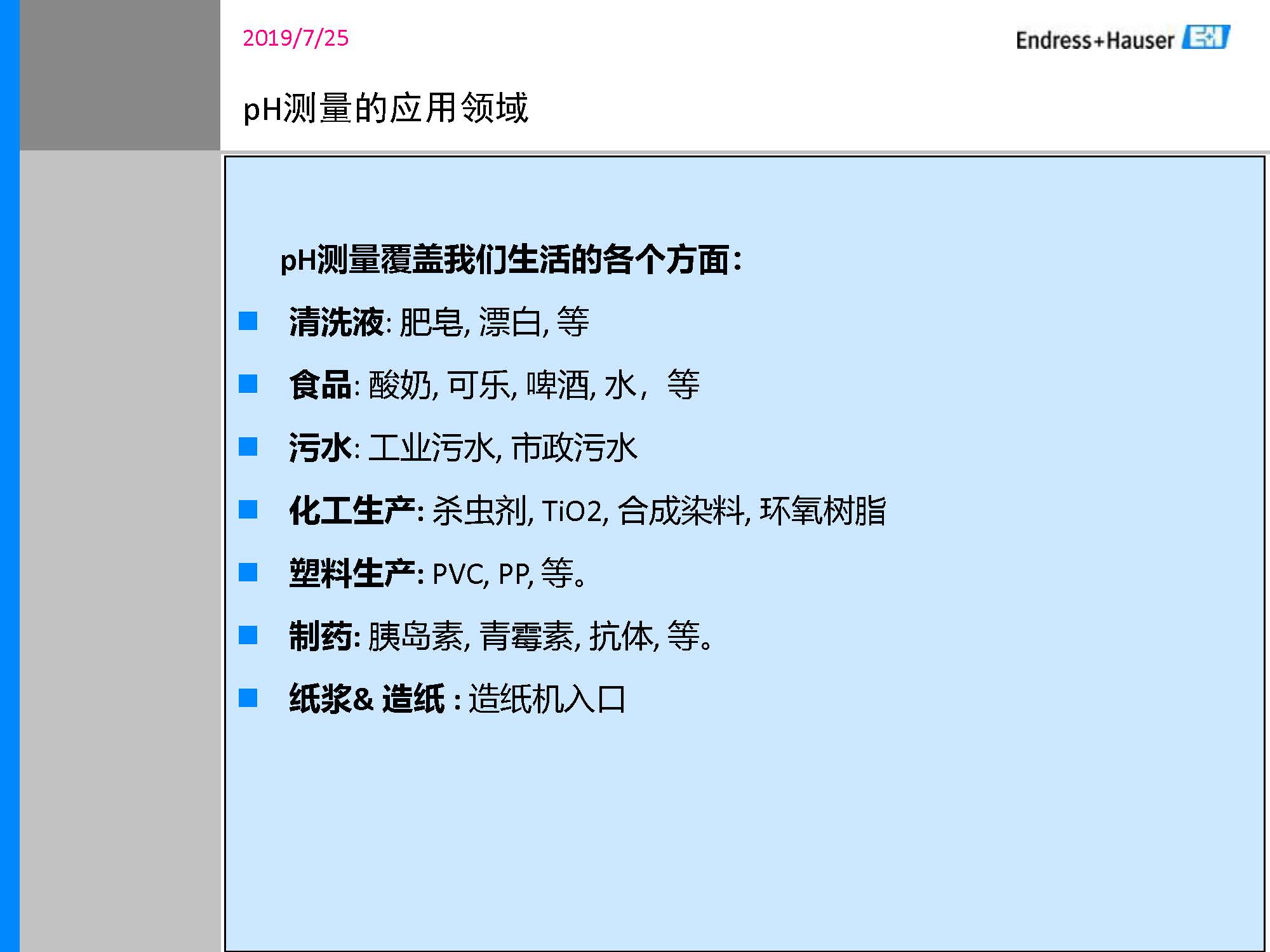
E+H (Endress+Hauser) is a globally leading manufacturer of industrial measurement instruments. Its pH sensors are renowned for high precision and reliability, and are widely used in chemical, pharmaceutical, water treatment, and other industries. This training material aims to help users fully understand the technical features, selection methods, and maintenance points of E+H pH sensors.
Working Principle and Core Technologies
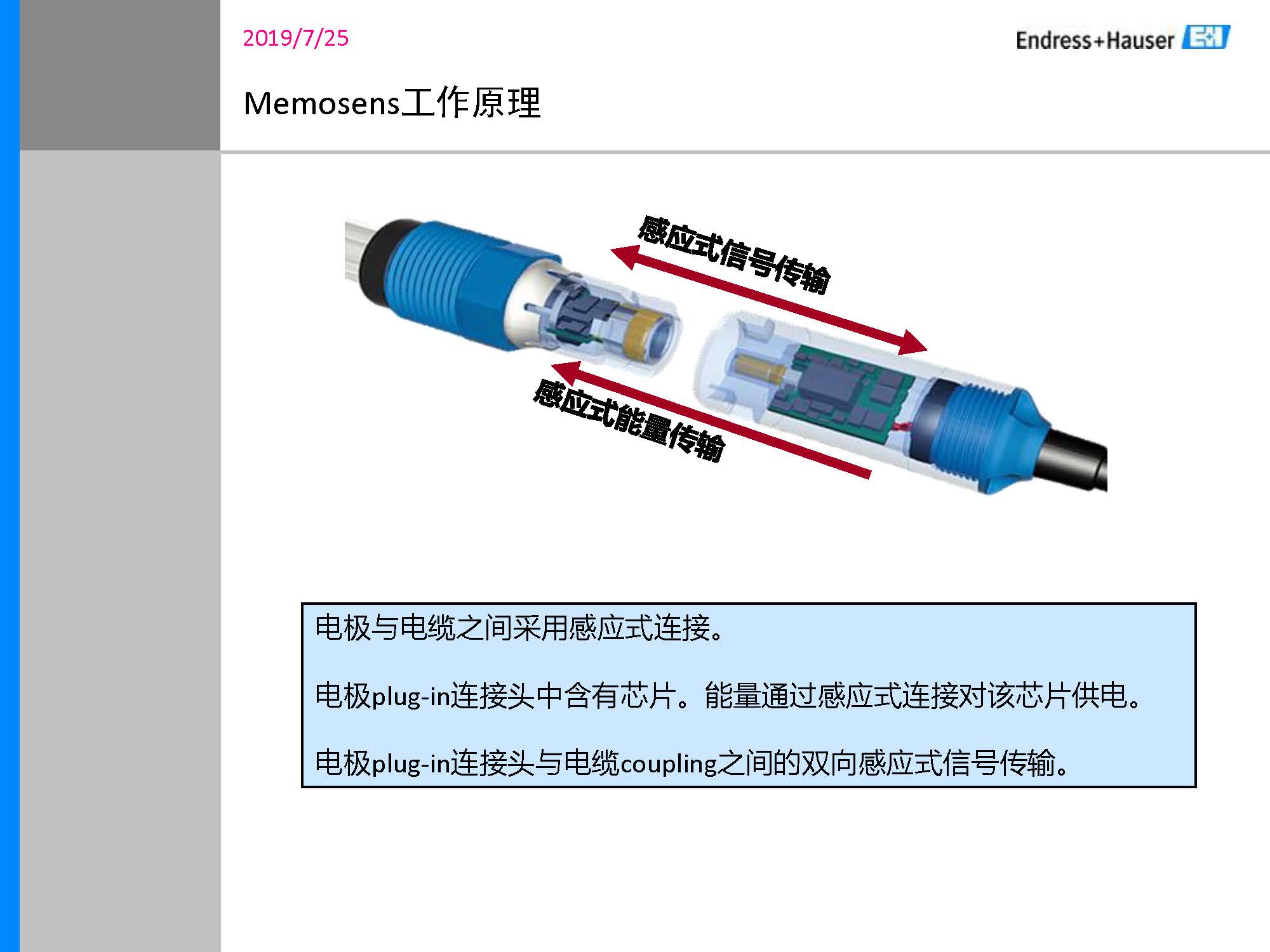
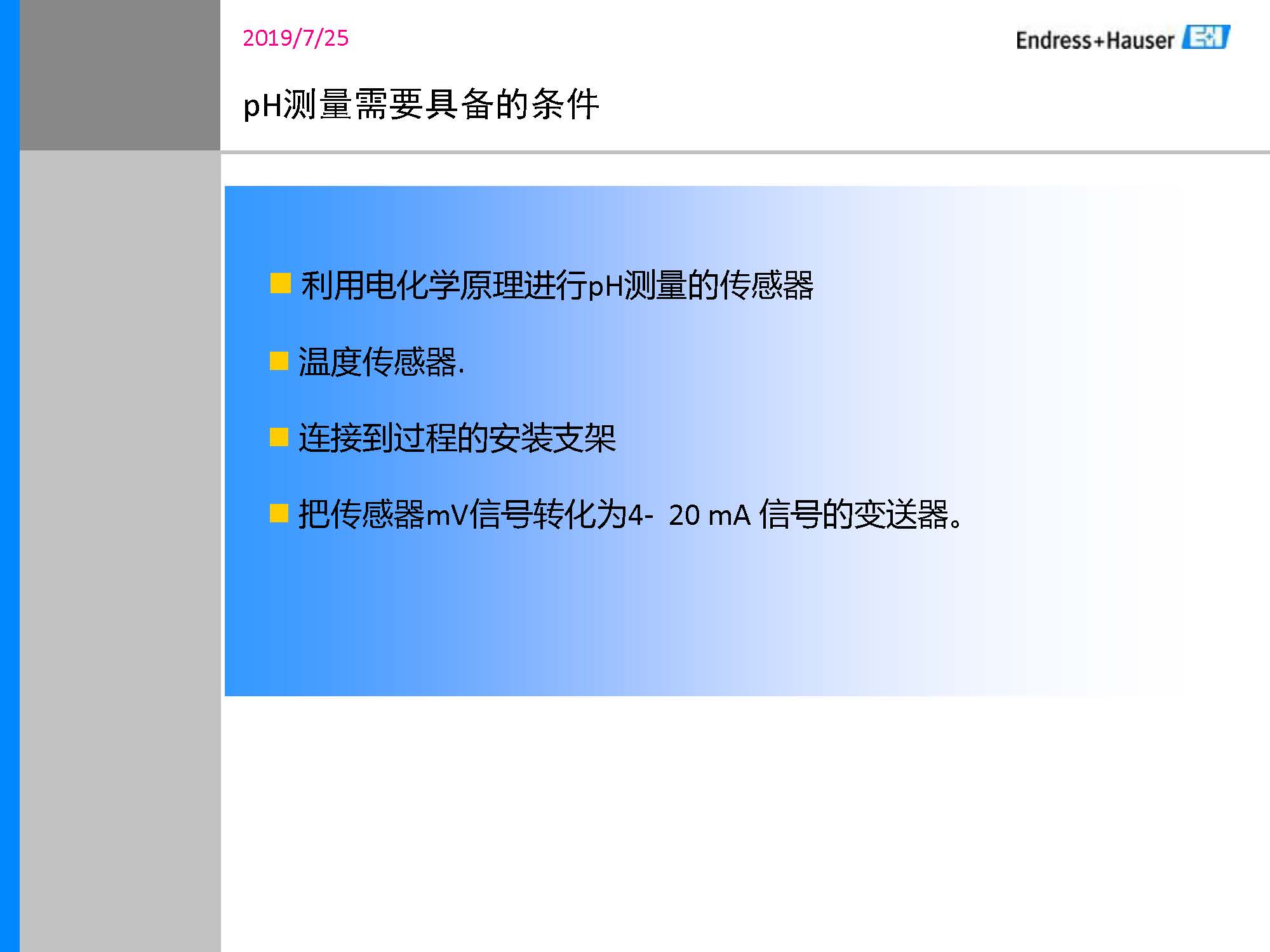
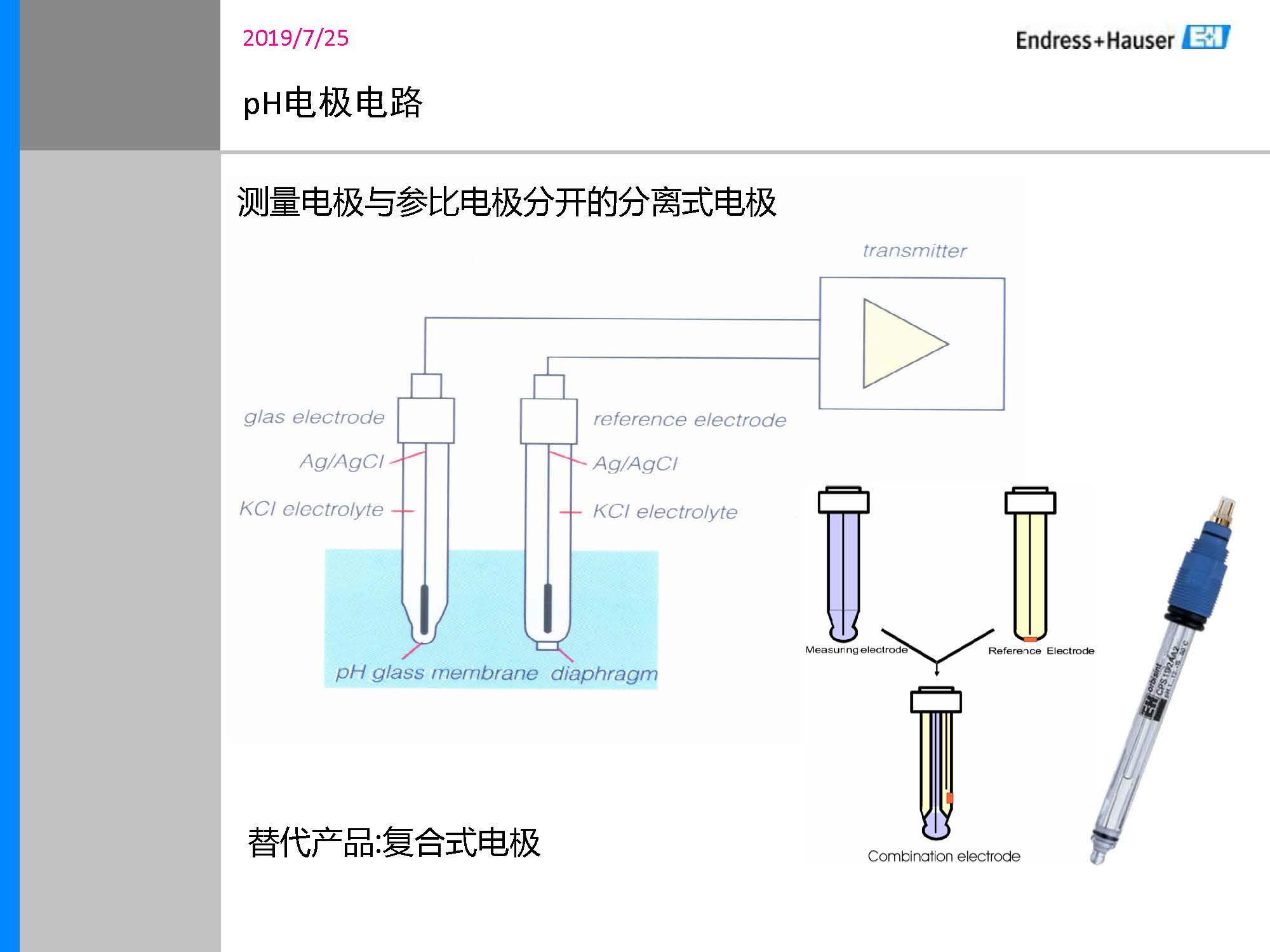
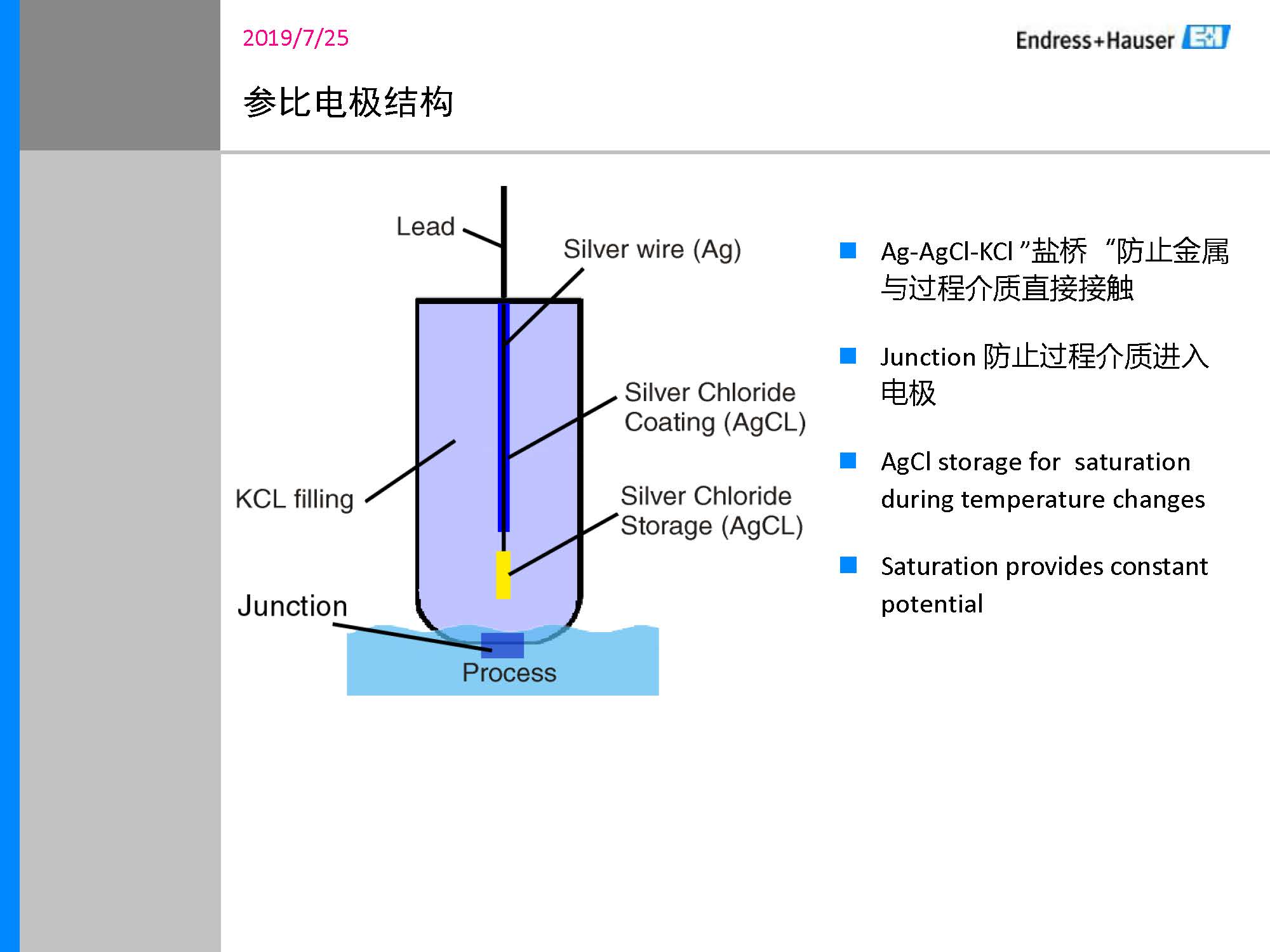
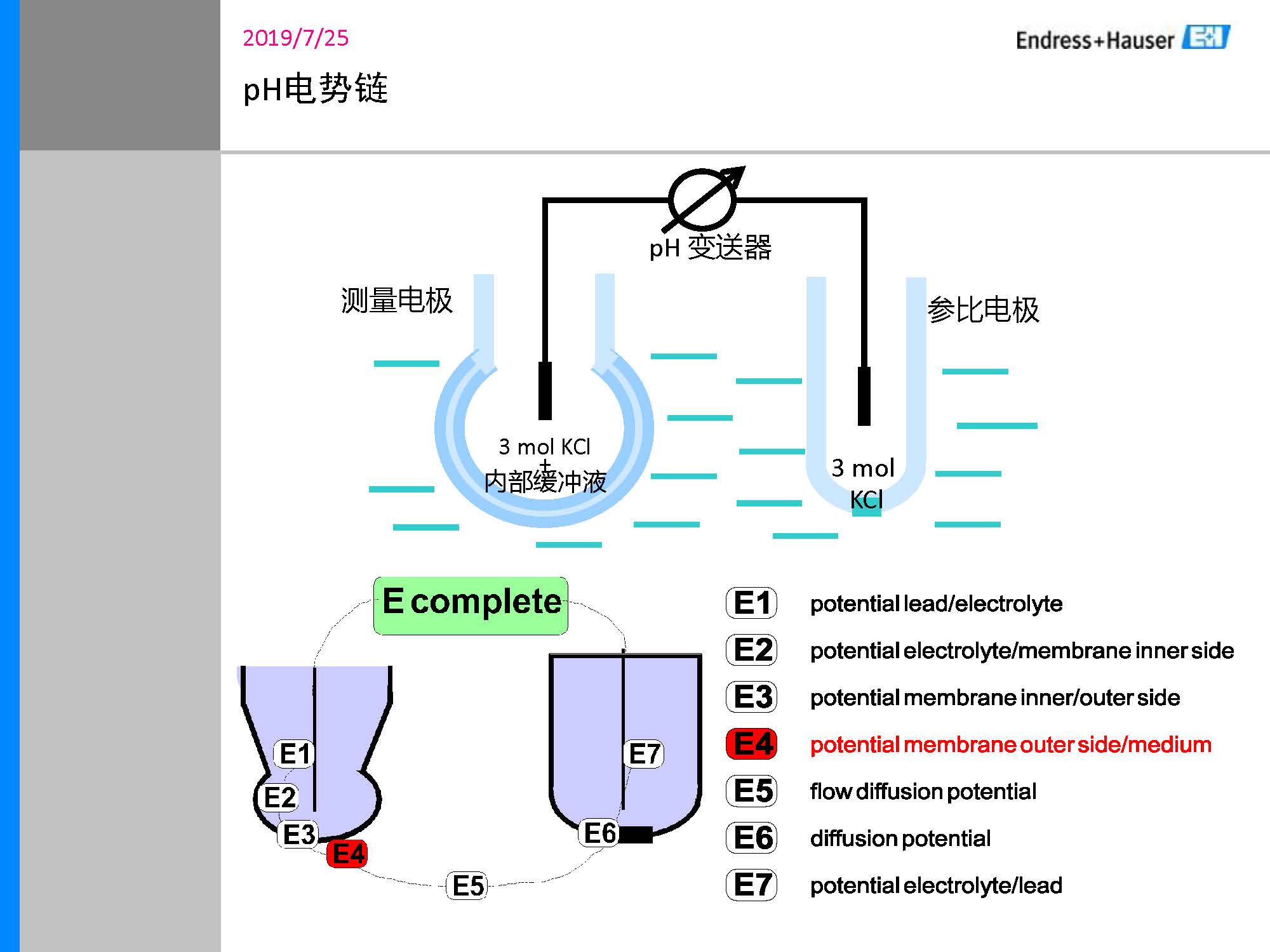
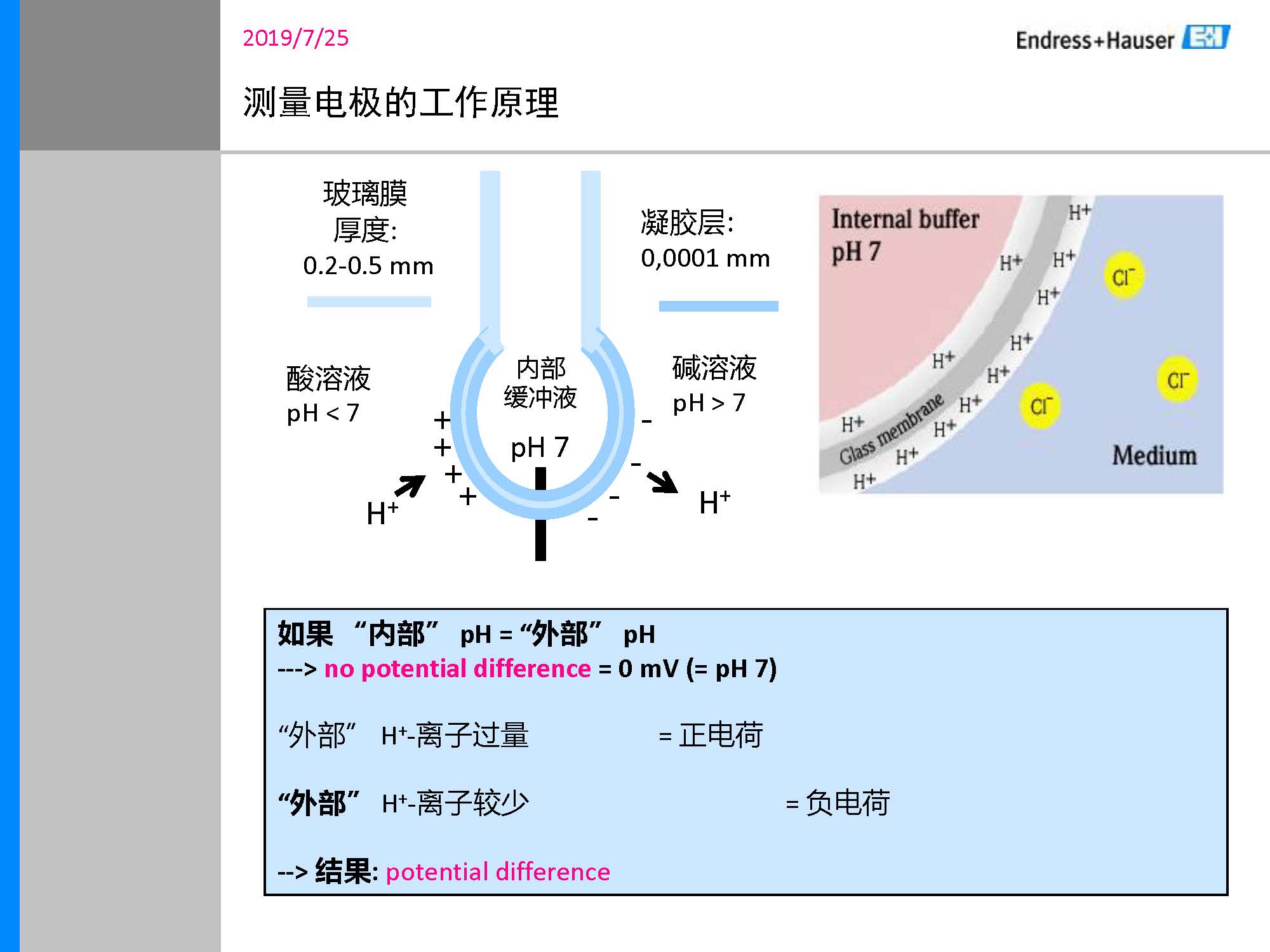
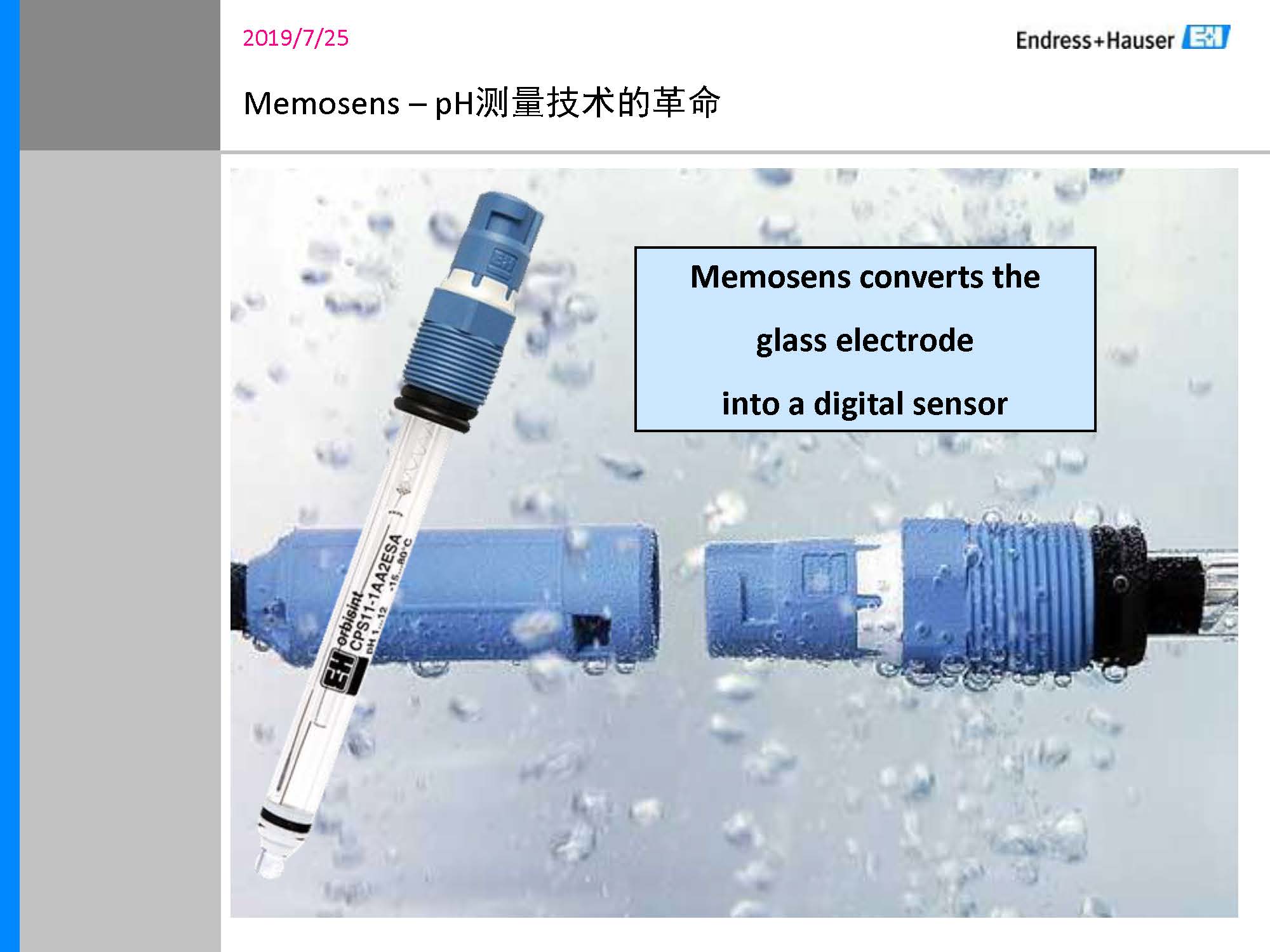
E+H pH sensors are based on the glass electrode principle, converting pH values by measuring the electrode potential difference. Their core technologies include Memosens digital technology and ISFET technology. The former enables contactless inductive connection, while the latter is suitable for high-temperature, high-pressure, or scaling-prone conditions.
Memosens Digital Technology
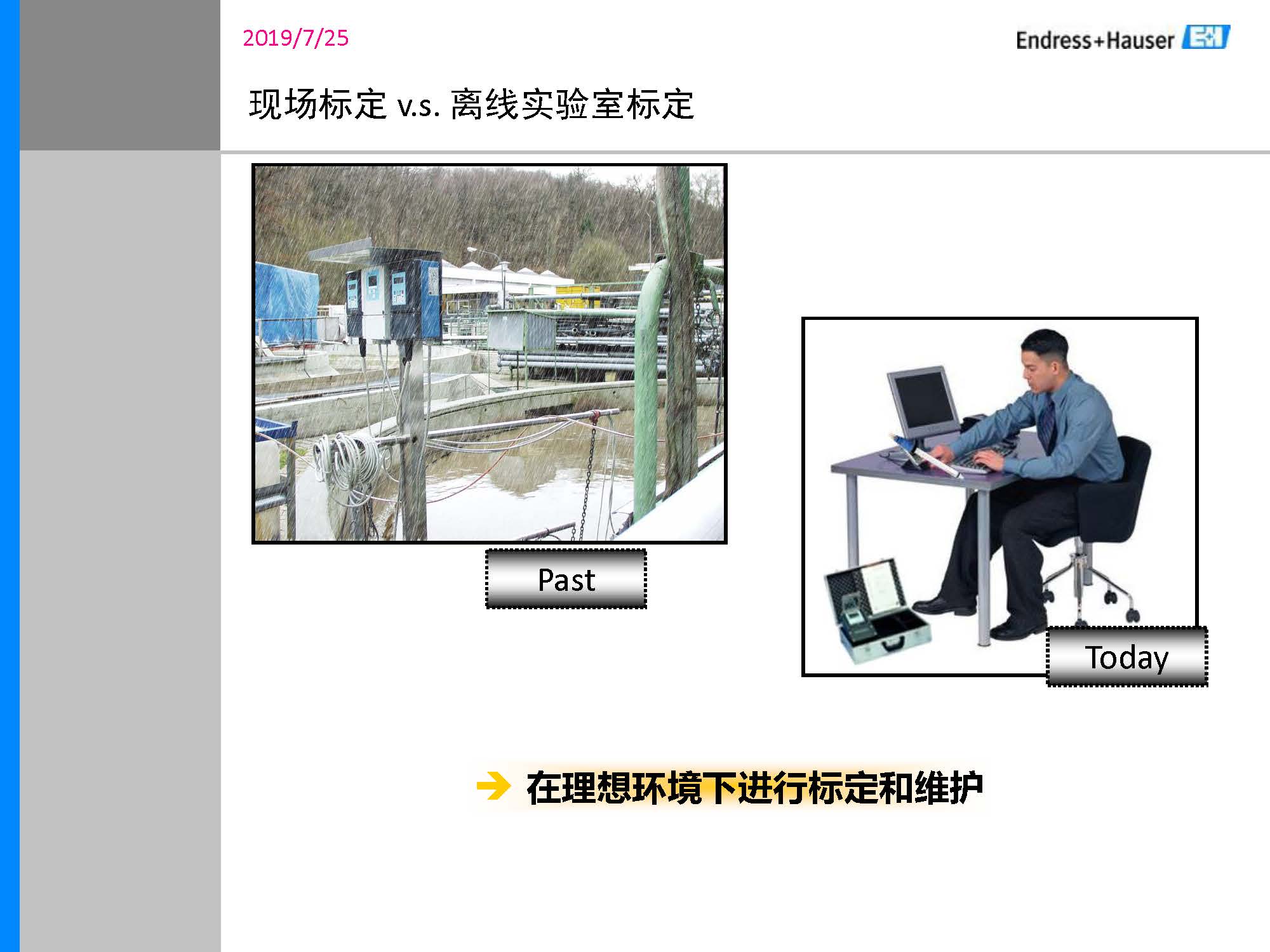
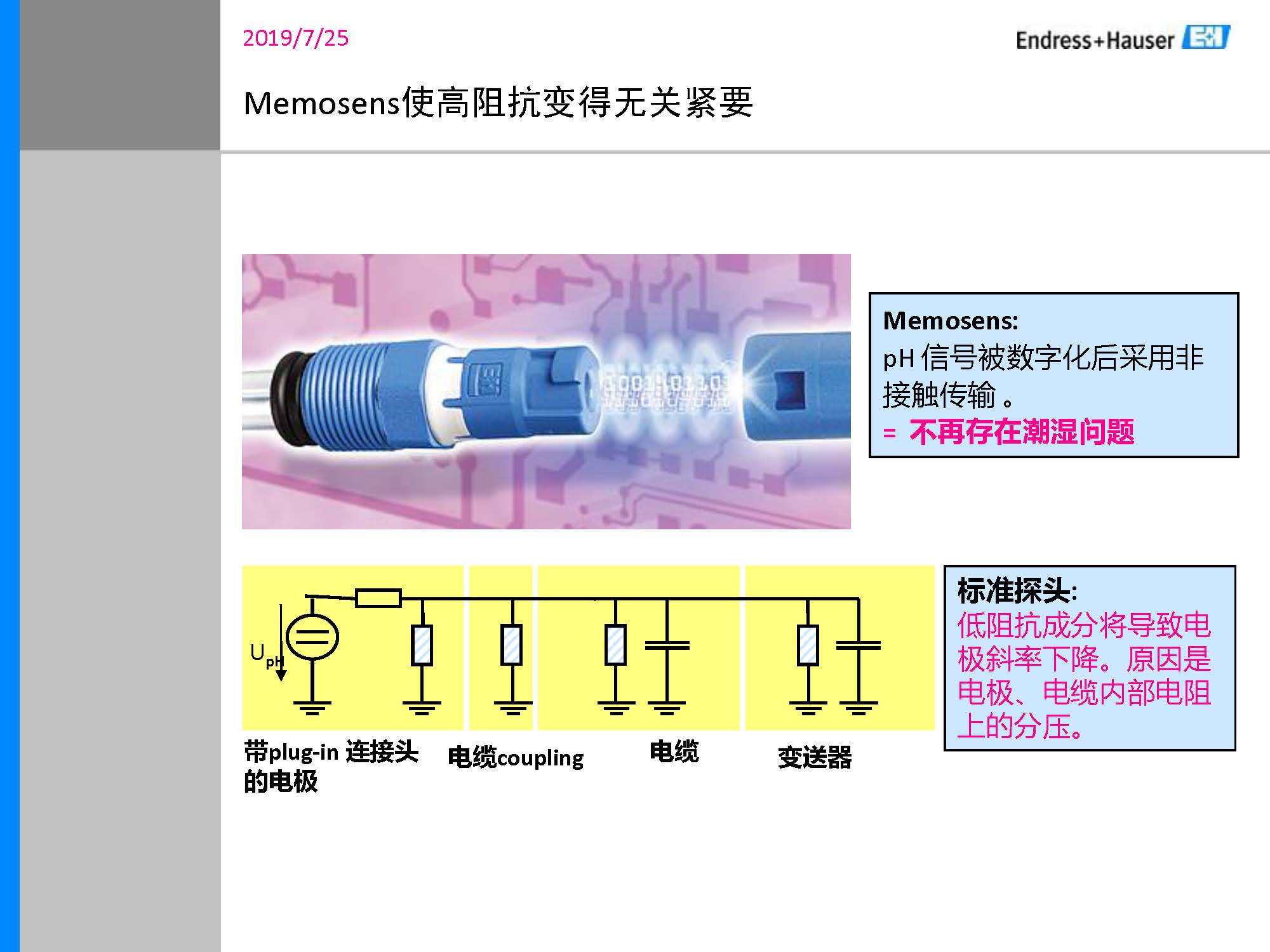
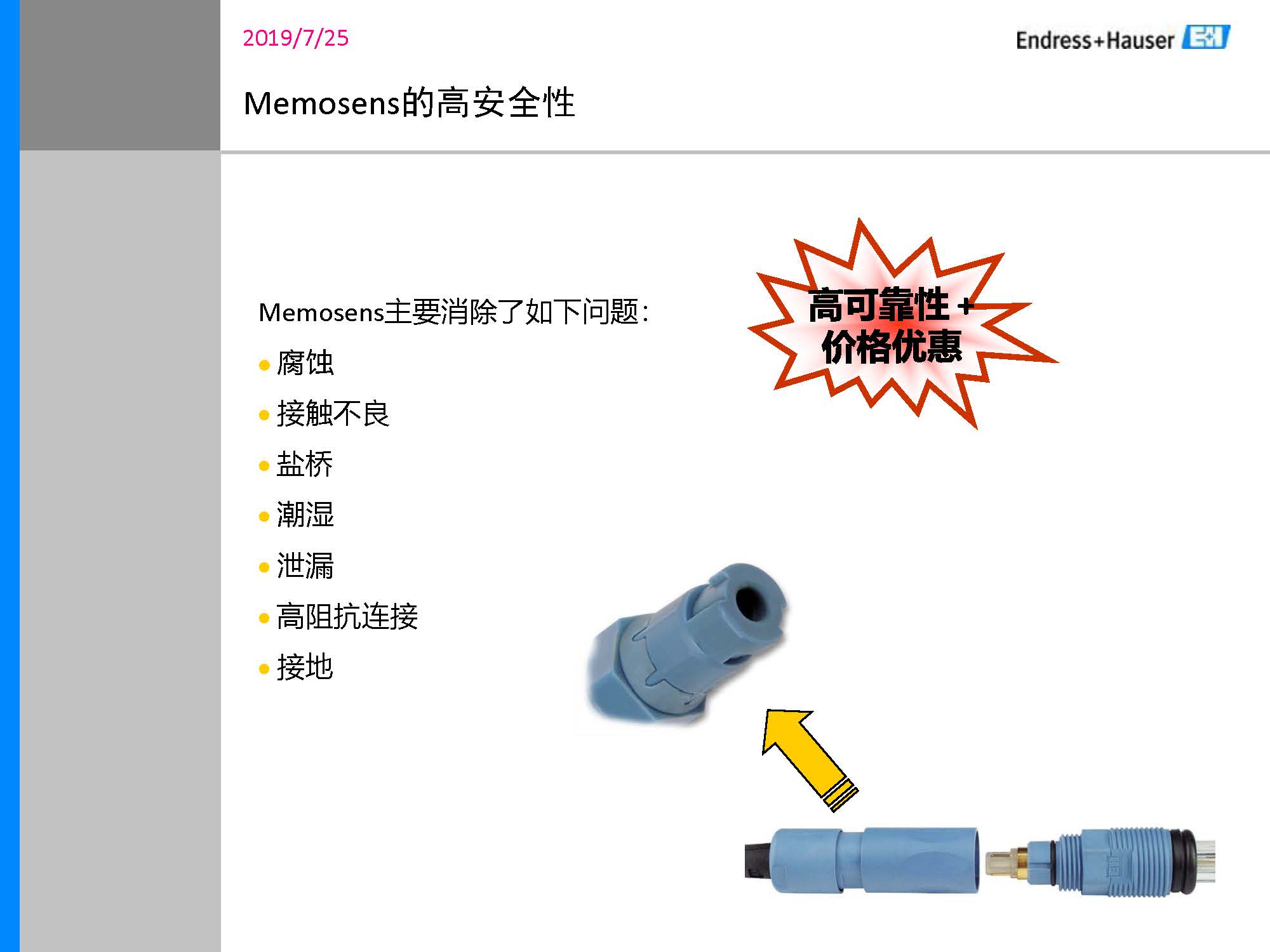
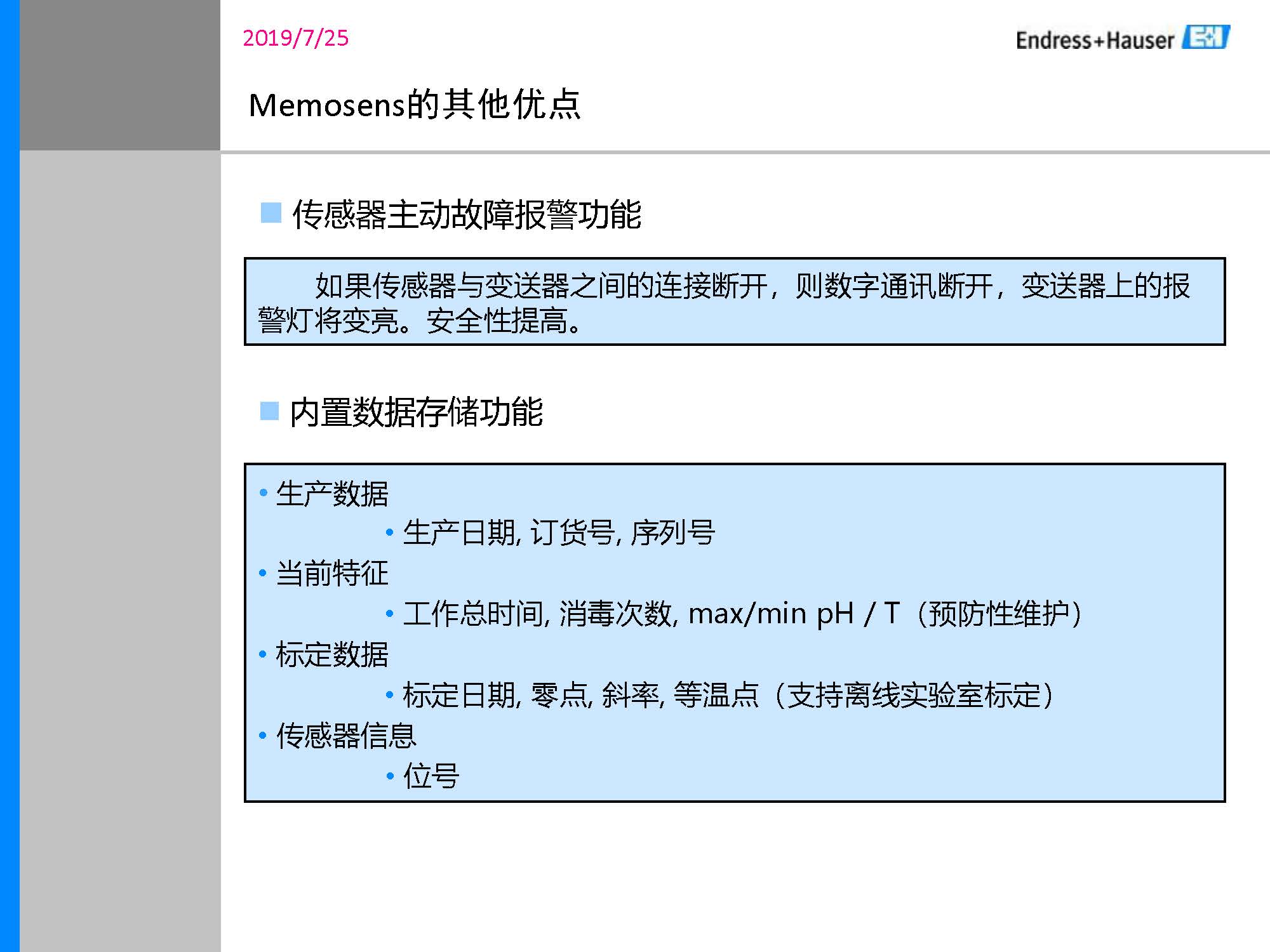
Memosens technology digitizes signal transmission between the sensor and transmitter, effectively avoiding electromagnetic interference and supporting plug-and-play and laboratory calibration. The sensor has a built-in memory chip that can store calibration data and historical records, facilitating predictive maintenance.
ISFET Technology
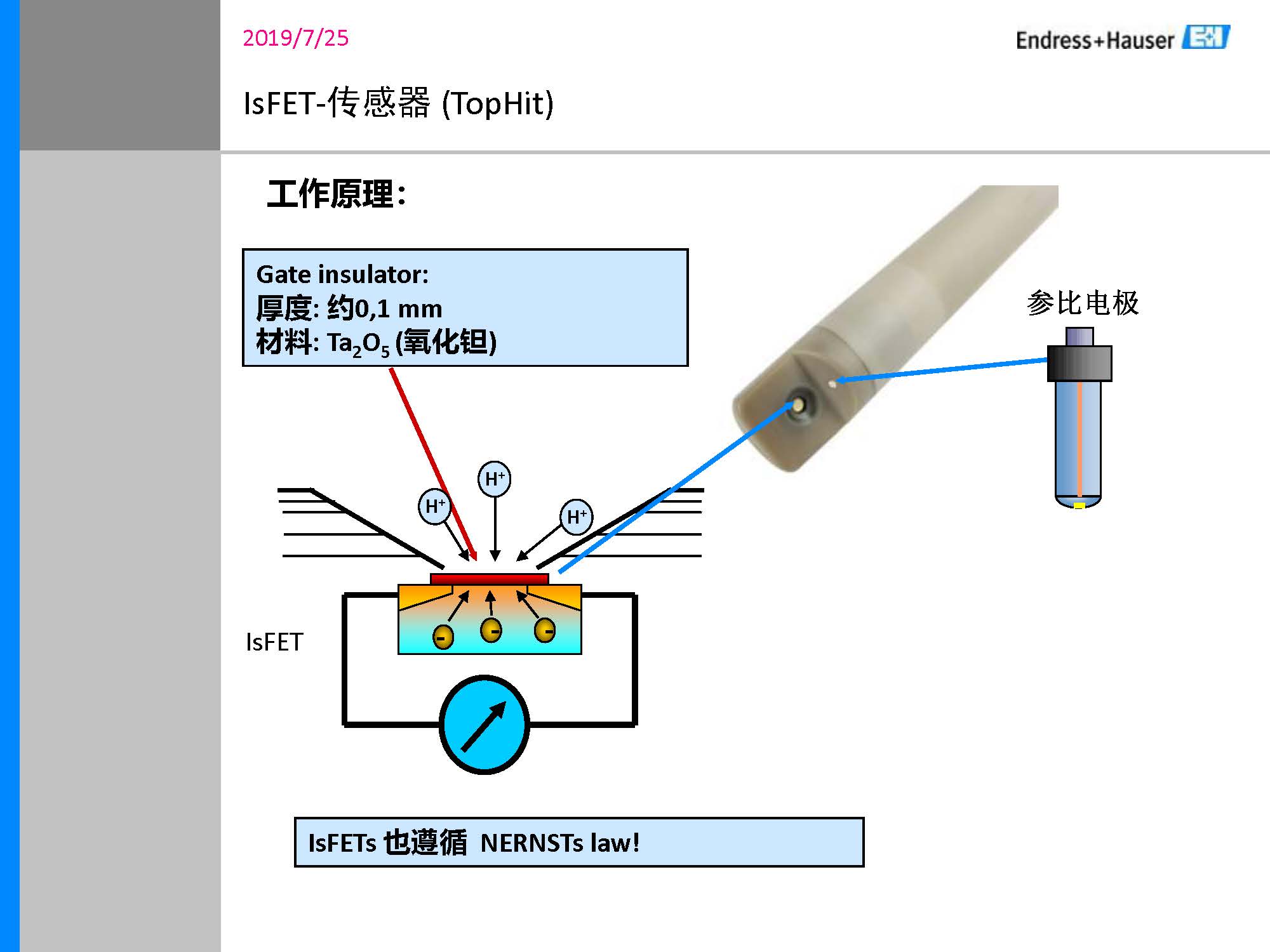
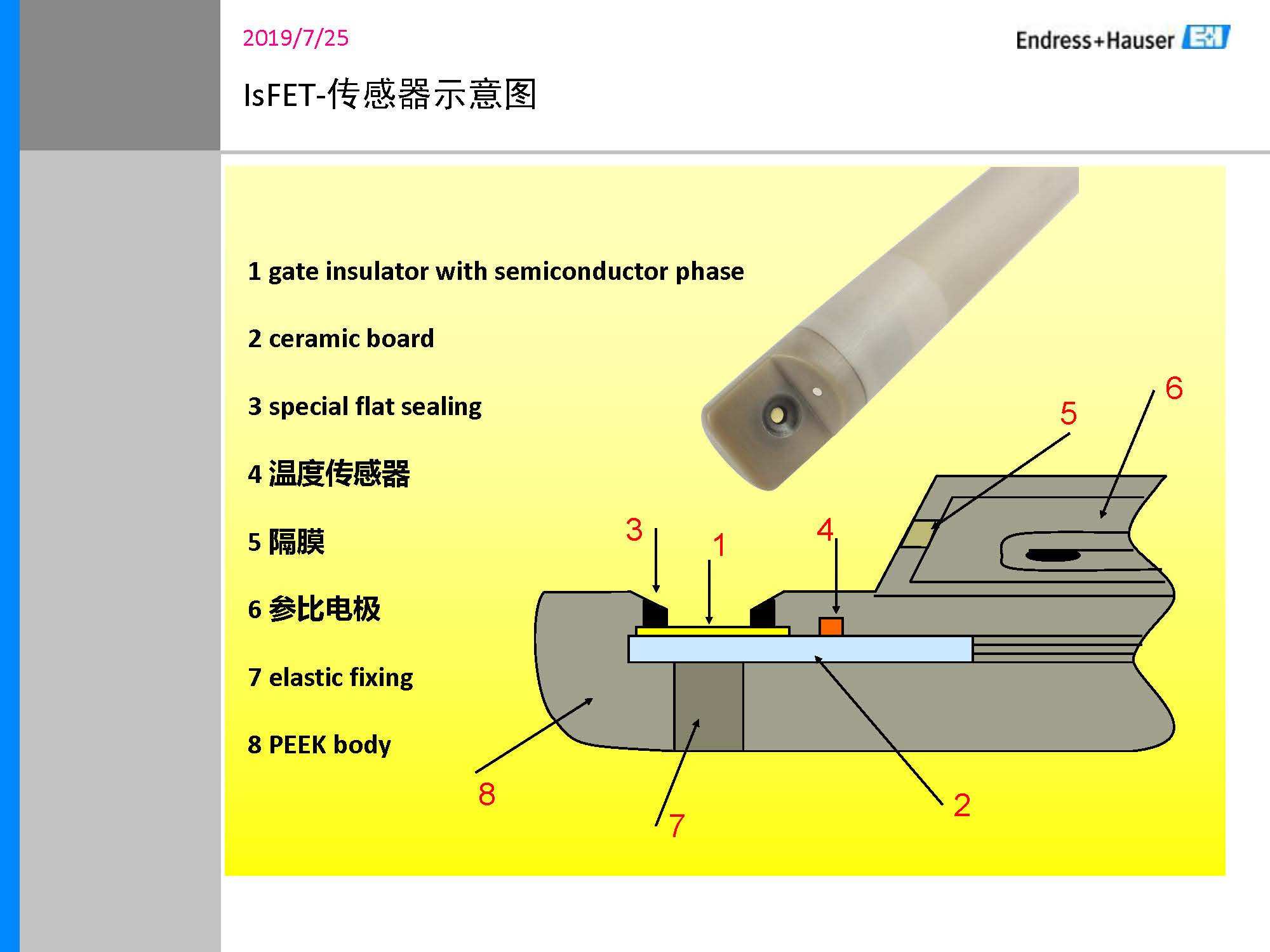
ISFET (Ion-Sensitive Field-Effect Transistor) sensors use semiconductor processes and have fast response times, making them suitable for high-viscosity, scaling-prone media. Their glass-bulb-free design avoids the risk of breakage and is suitable for hygiene industries such as food and beverage.
Mainstream Models and Selection Guide
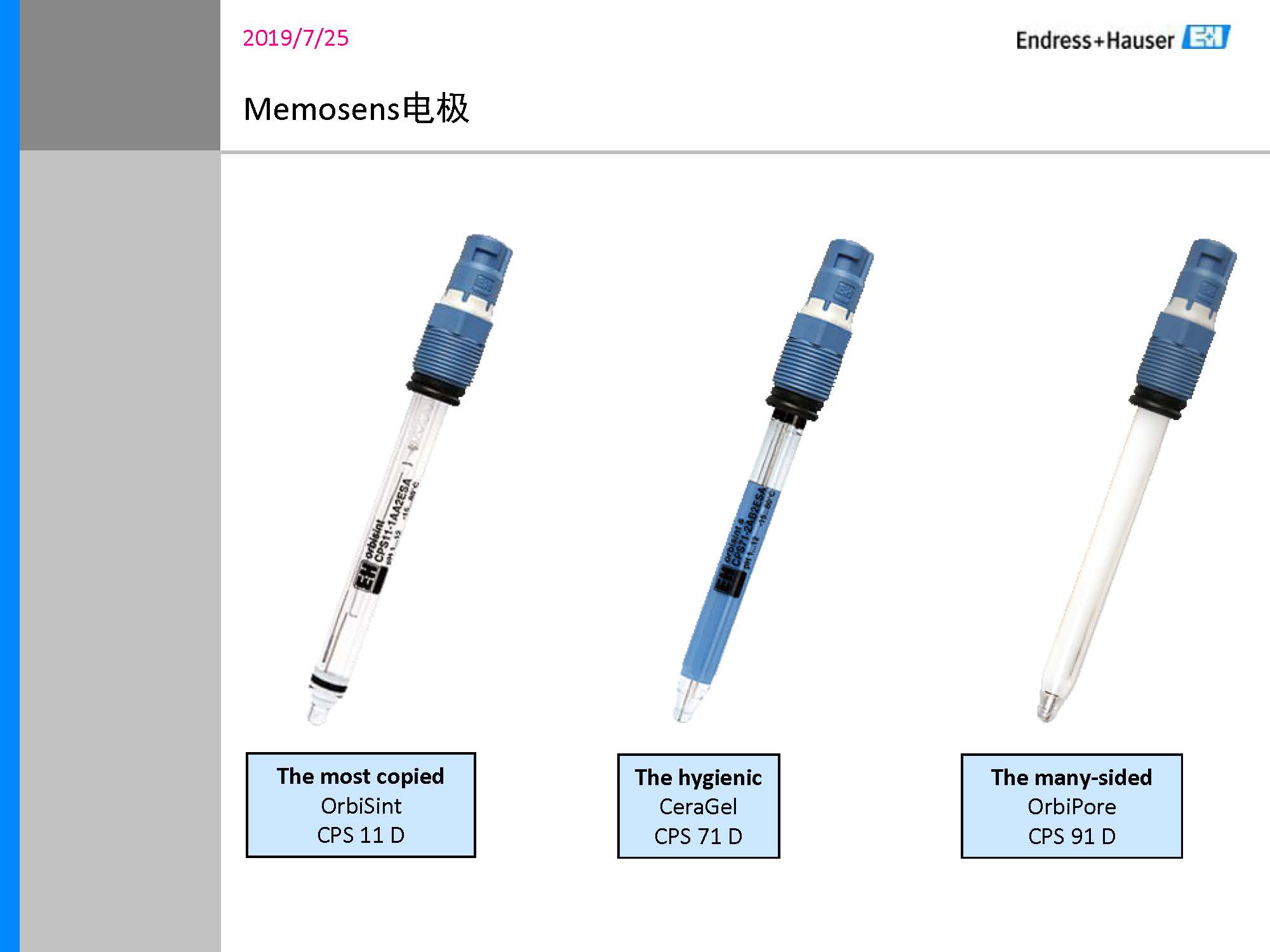
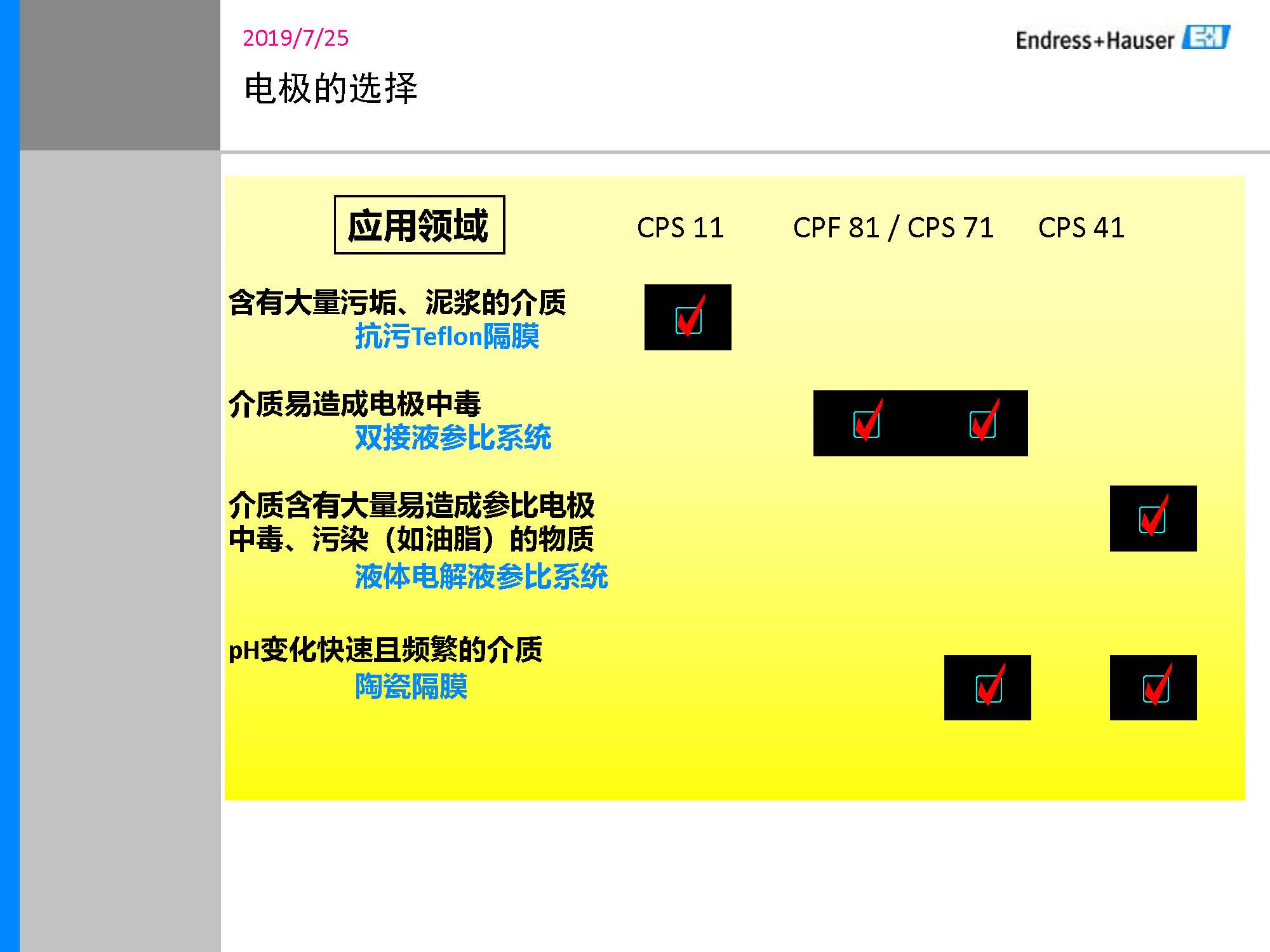
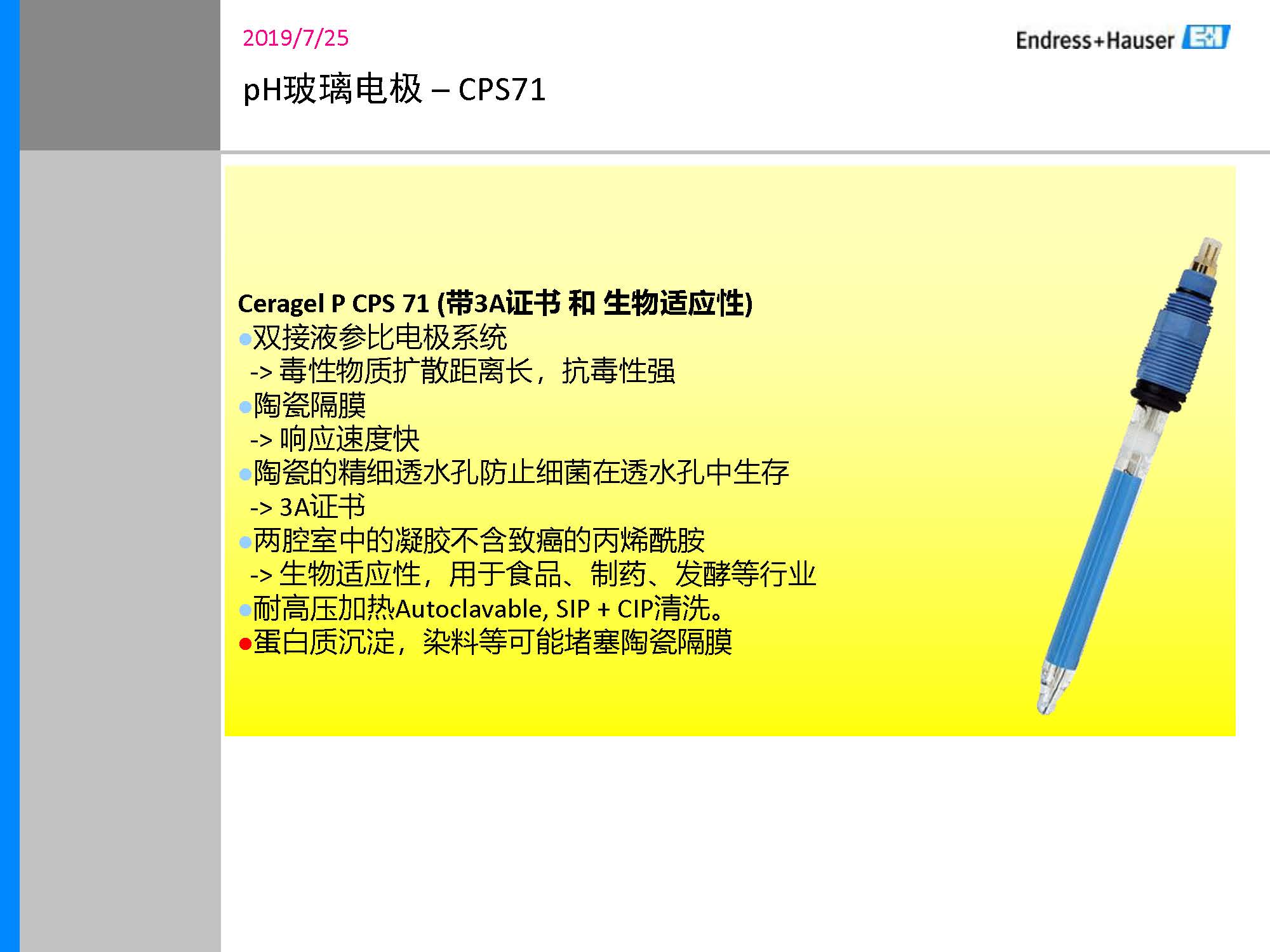
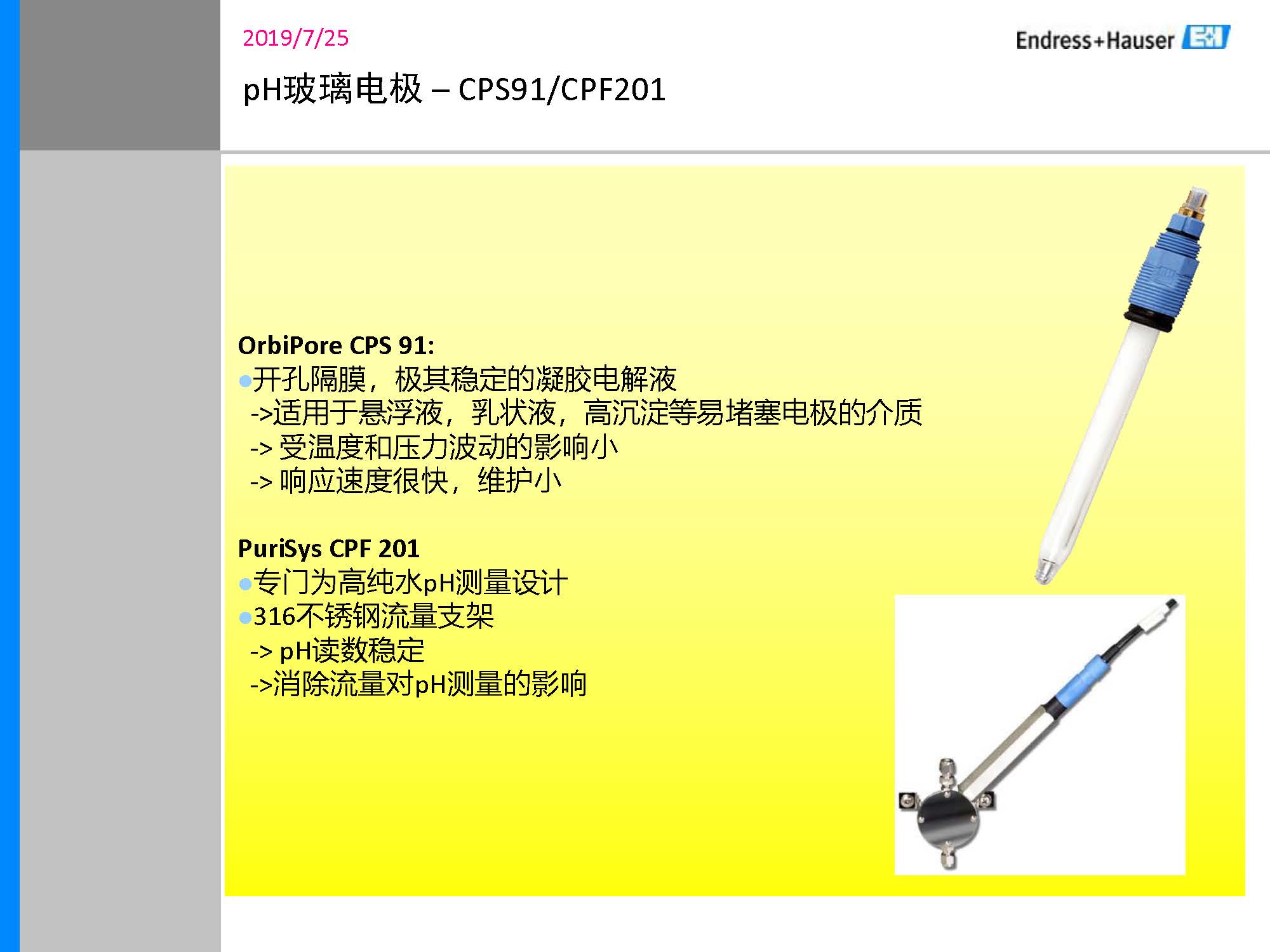
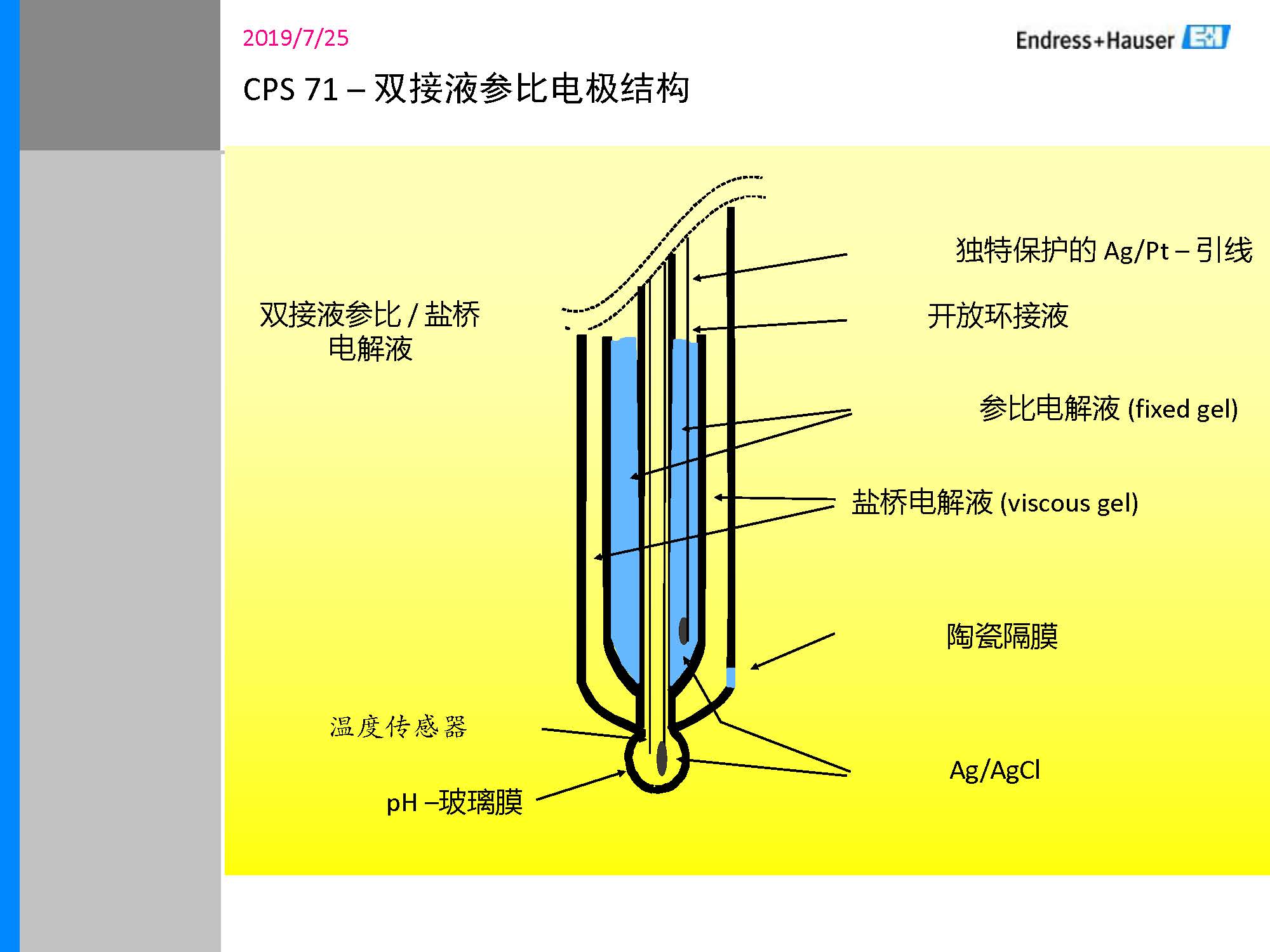
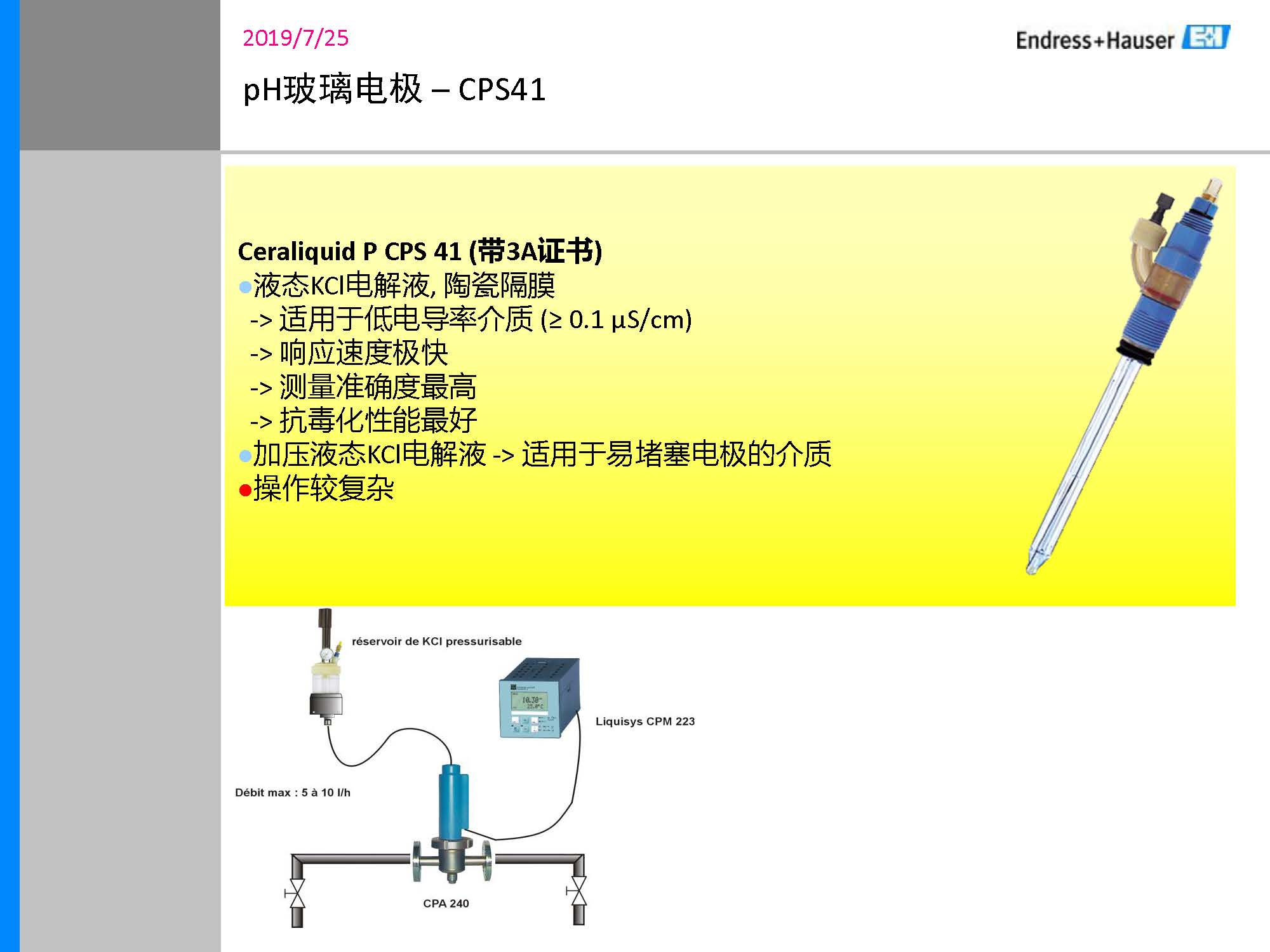
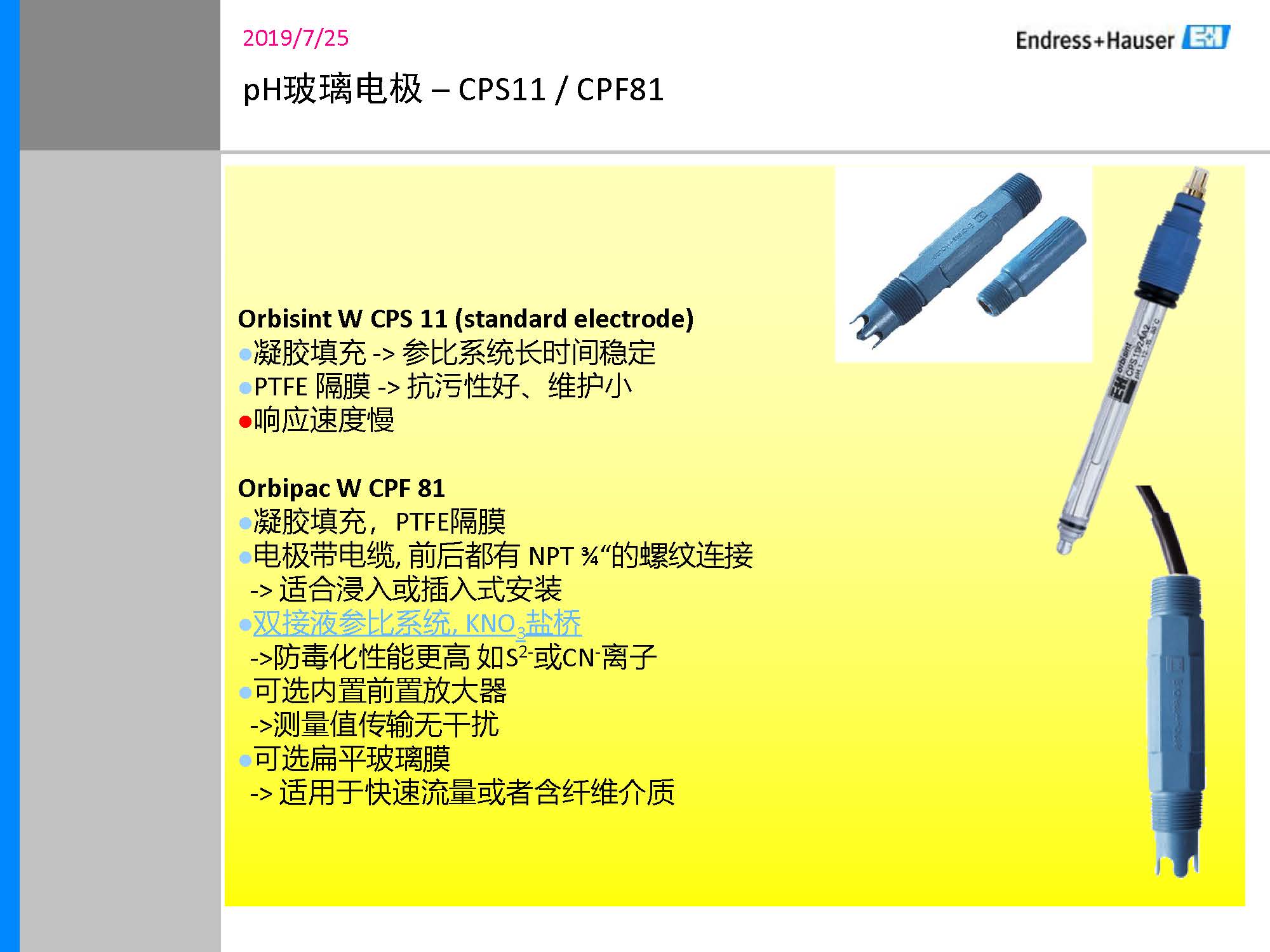
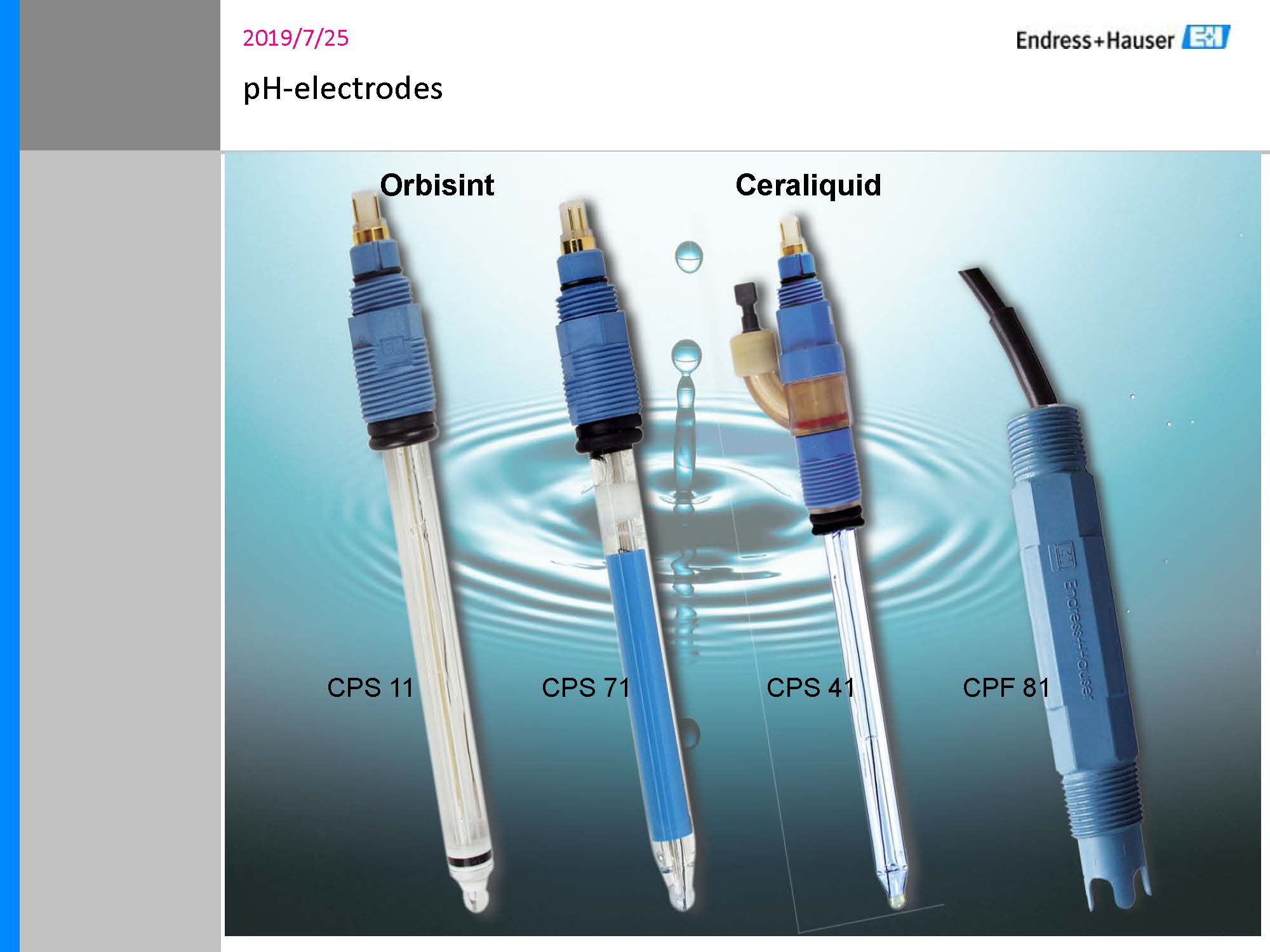
E+H offers various series of pH sensors. Selection must consider factors such as medium characteristics, temperature, pressure, and installation method. Common series include Orbisint CPS11, Ceraliquid CPS41, Ceragel CPS71, etc.
Key Selection Parameters
| Parameter | Description |
|---|---|
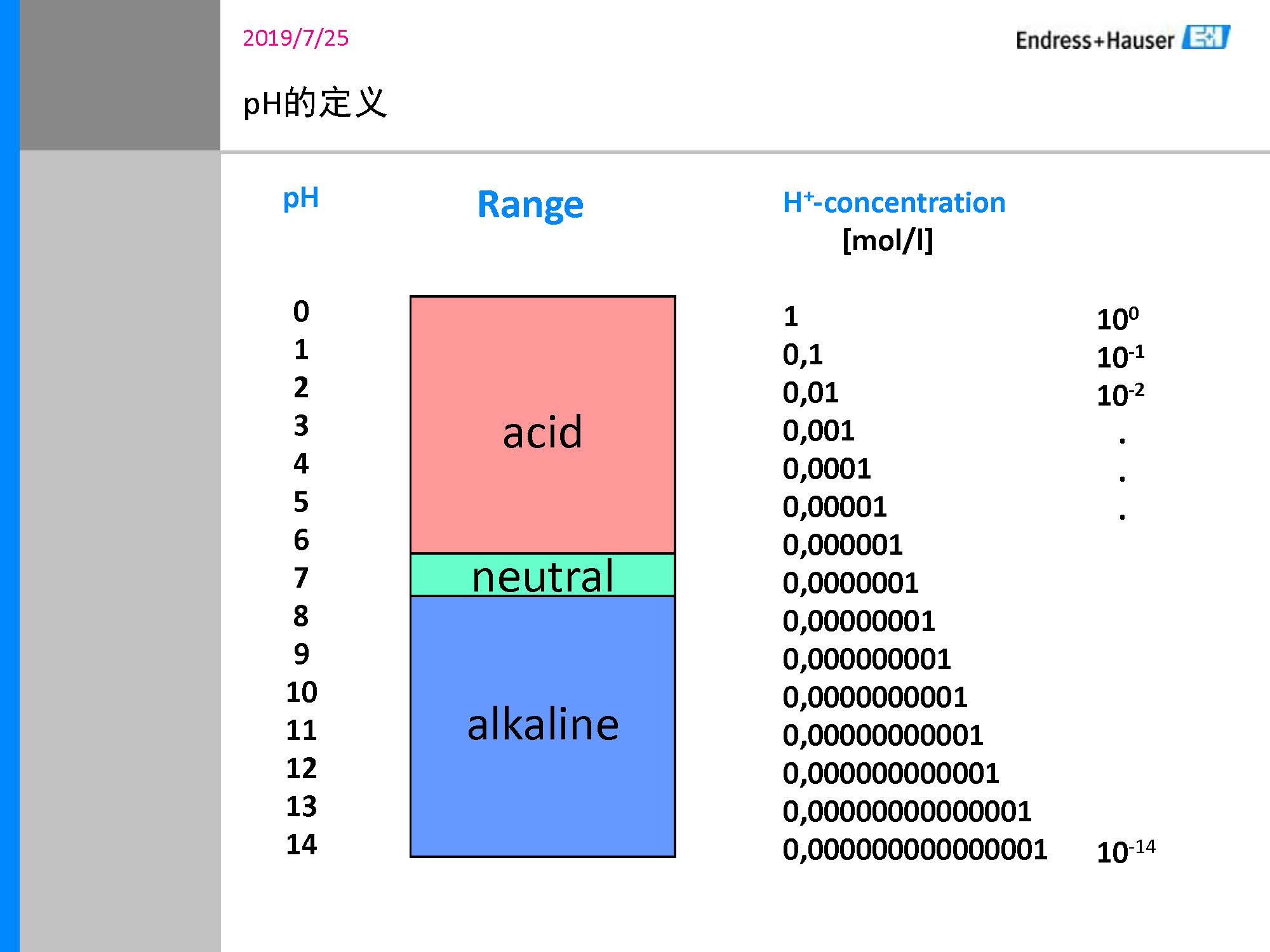
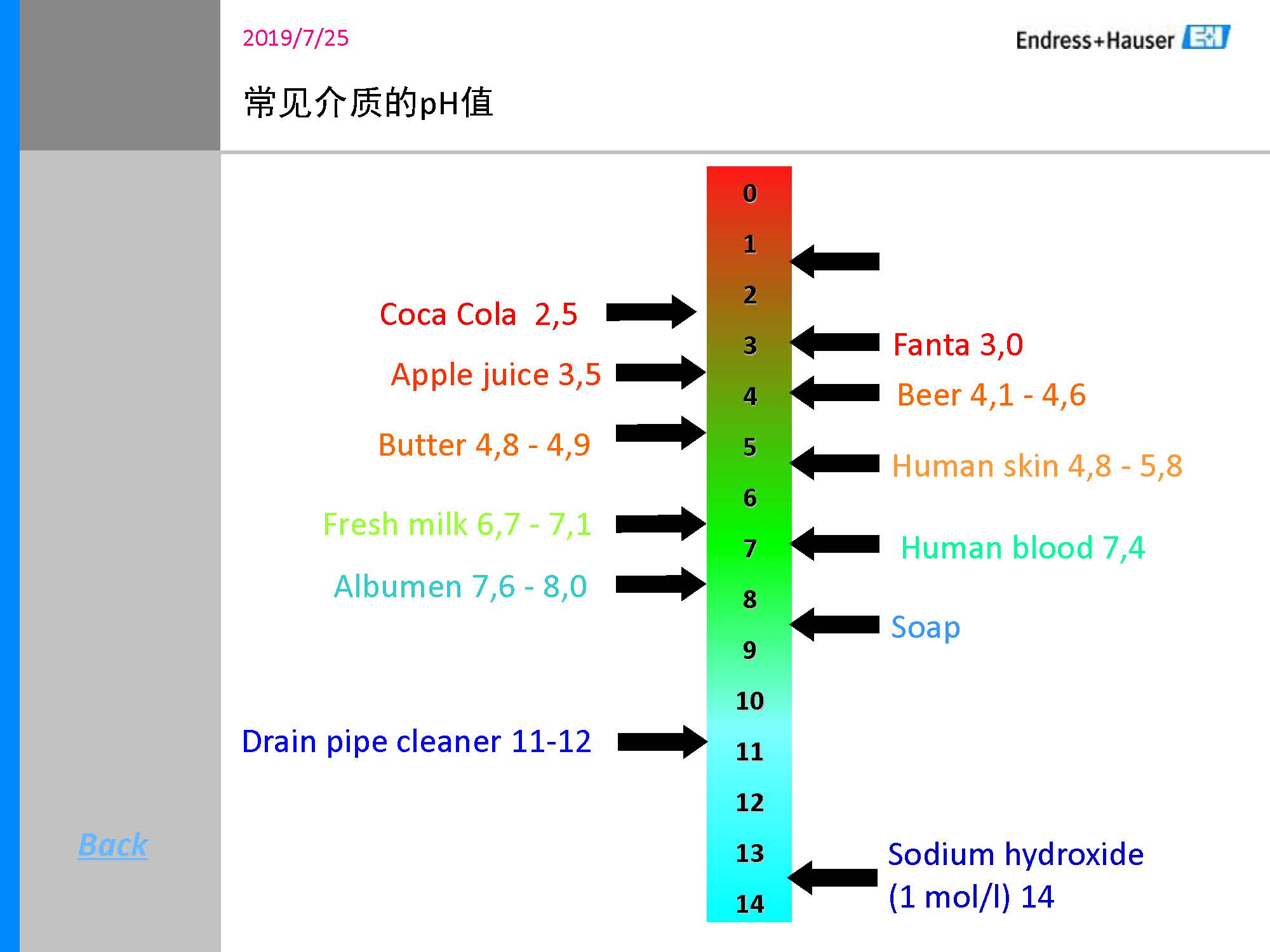
| Measurement range | Typically 0-14 pH, customizable for special applications |
| Temperature range | -15°C to 135°C, depending on model |
| Pressure range | Up to 16 bar |
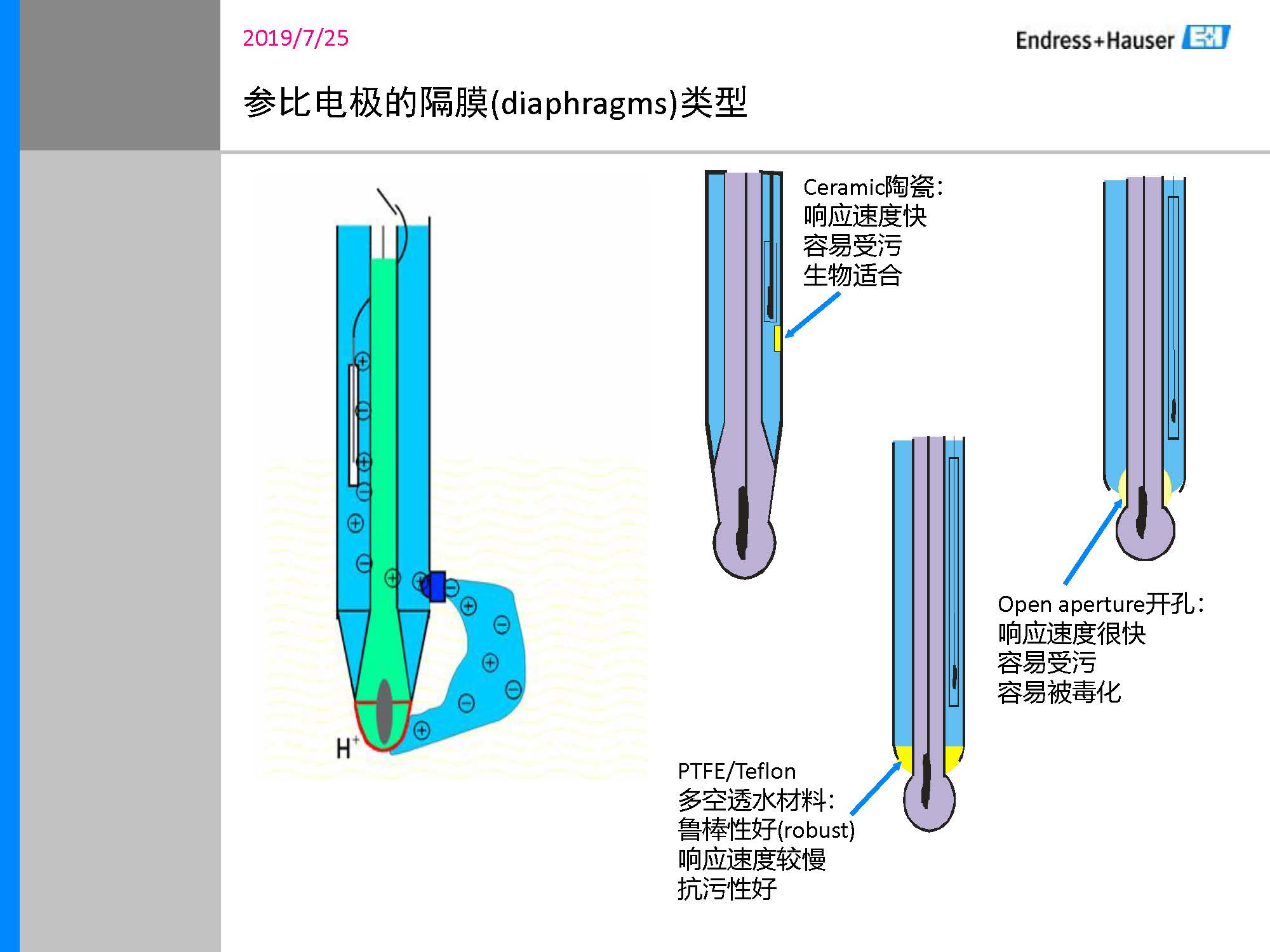
| Wetted materials | Glass, PTFE, ceramic, etc., must be compatible with the medium |
| Connection type | Thread, flange, clamp, etc. |
Typical Application Scenarios
- Chemical processes: Corrosion-resistant sensors, such as CPS71D
- Pharmaceutical industry: Hygienic sensors, such as CPS71D
- Water treatment: Standard sensors, such as CPS11D
- Food and beverage: ISFET sensors, such as CPS77
Installation and Commissioning Steps
Correct installation and commissioning are key to ensuring measurement accuracy. The following steps apply to most E+H pH sensors.
Installation Steps
- Check the sensor appearance to confirm no damage.
- Fix the sensor according to the installation method (immersion, flow-through, etc.).
- Ensure the sensitive part of the electrode is fully immersed in the medium, avoiding air bubbles.
- Connect the cable, paying attention to waterproofing and shielding.
- Power on the transmitter and check if the signal is normal.
Commissioning Points
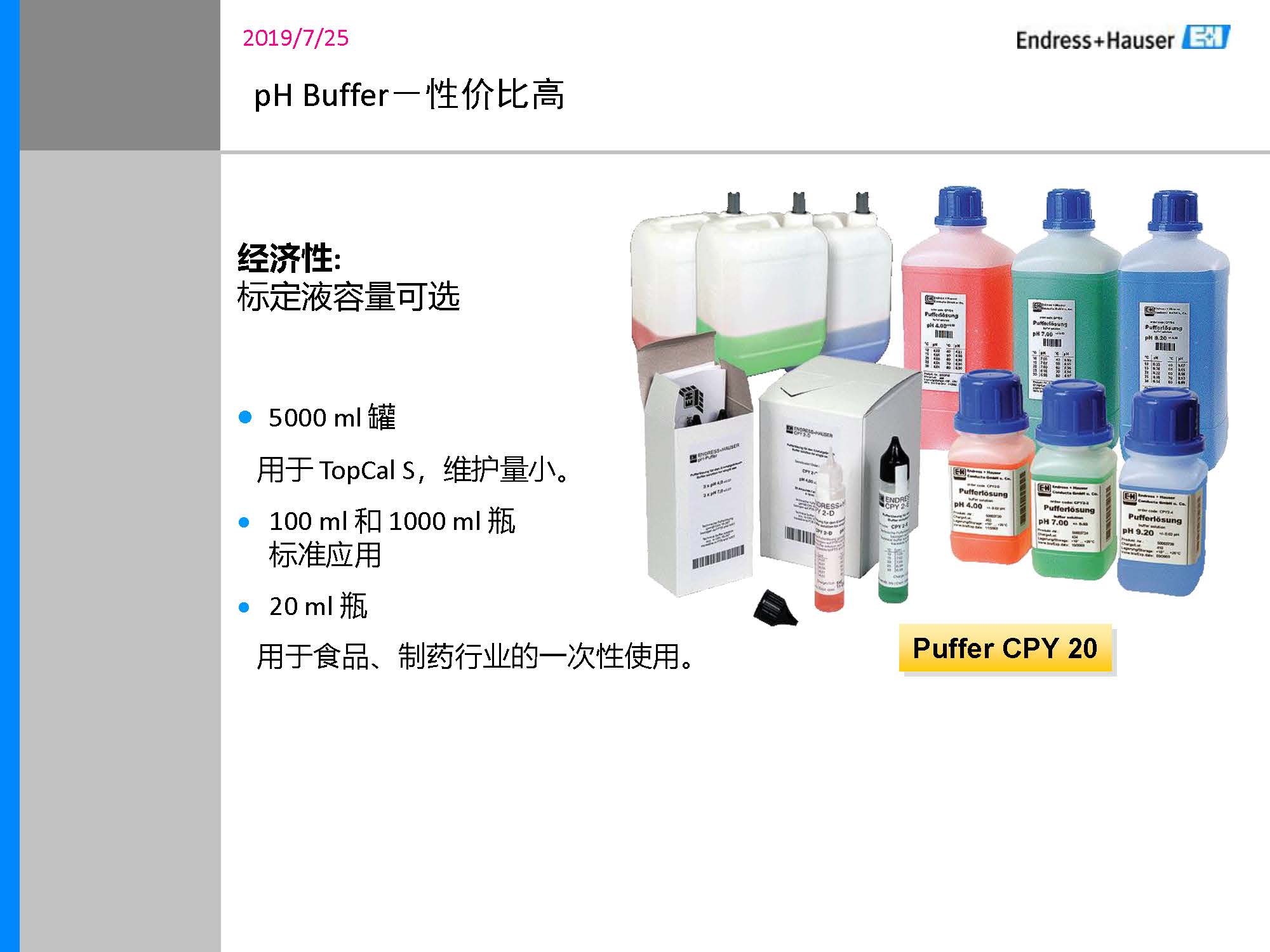
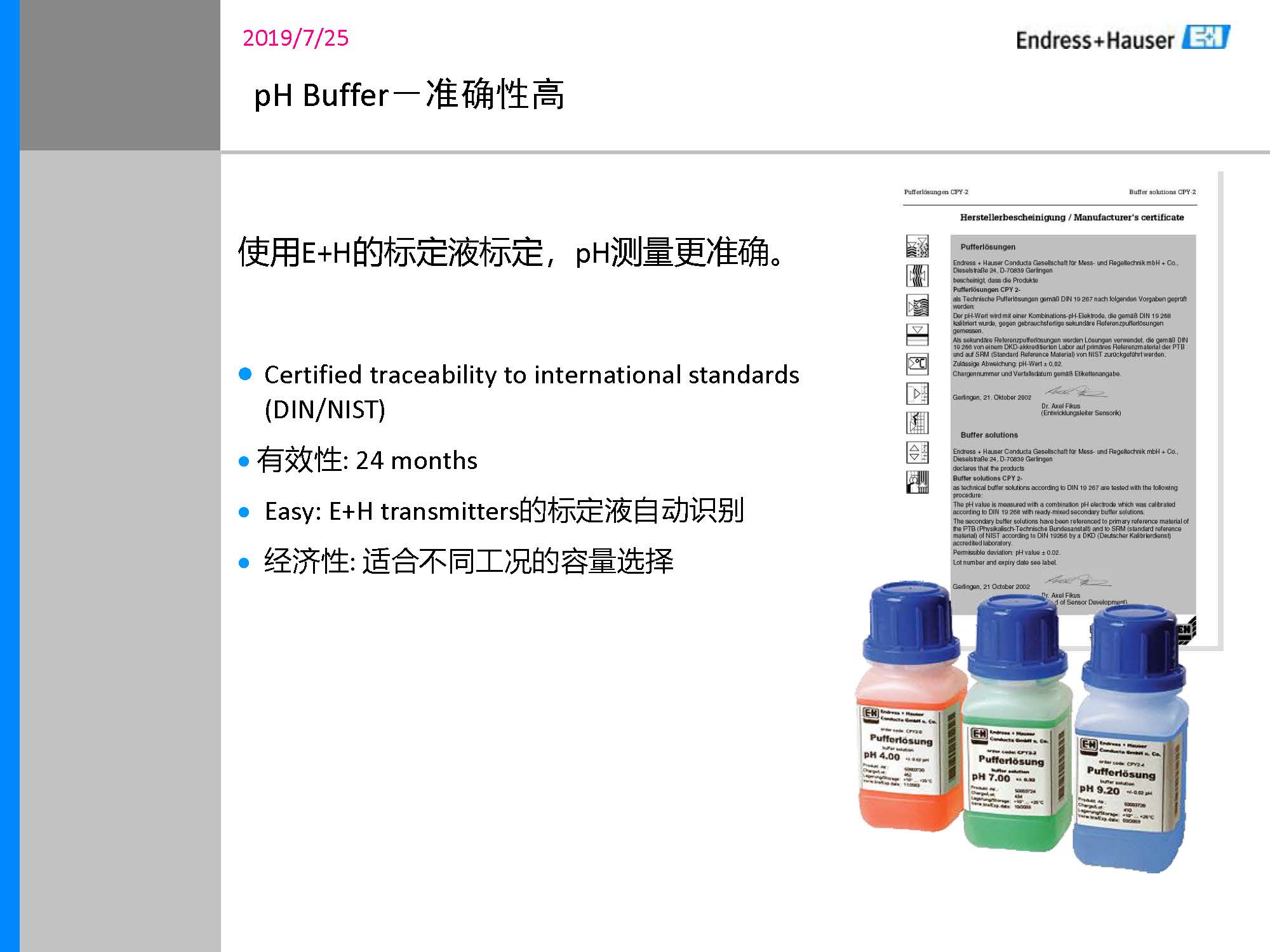
- Use standard buffer solutions for two-point calibration (e.g., pH 4.01 and 7.00).
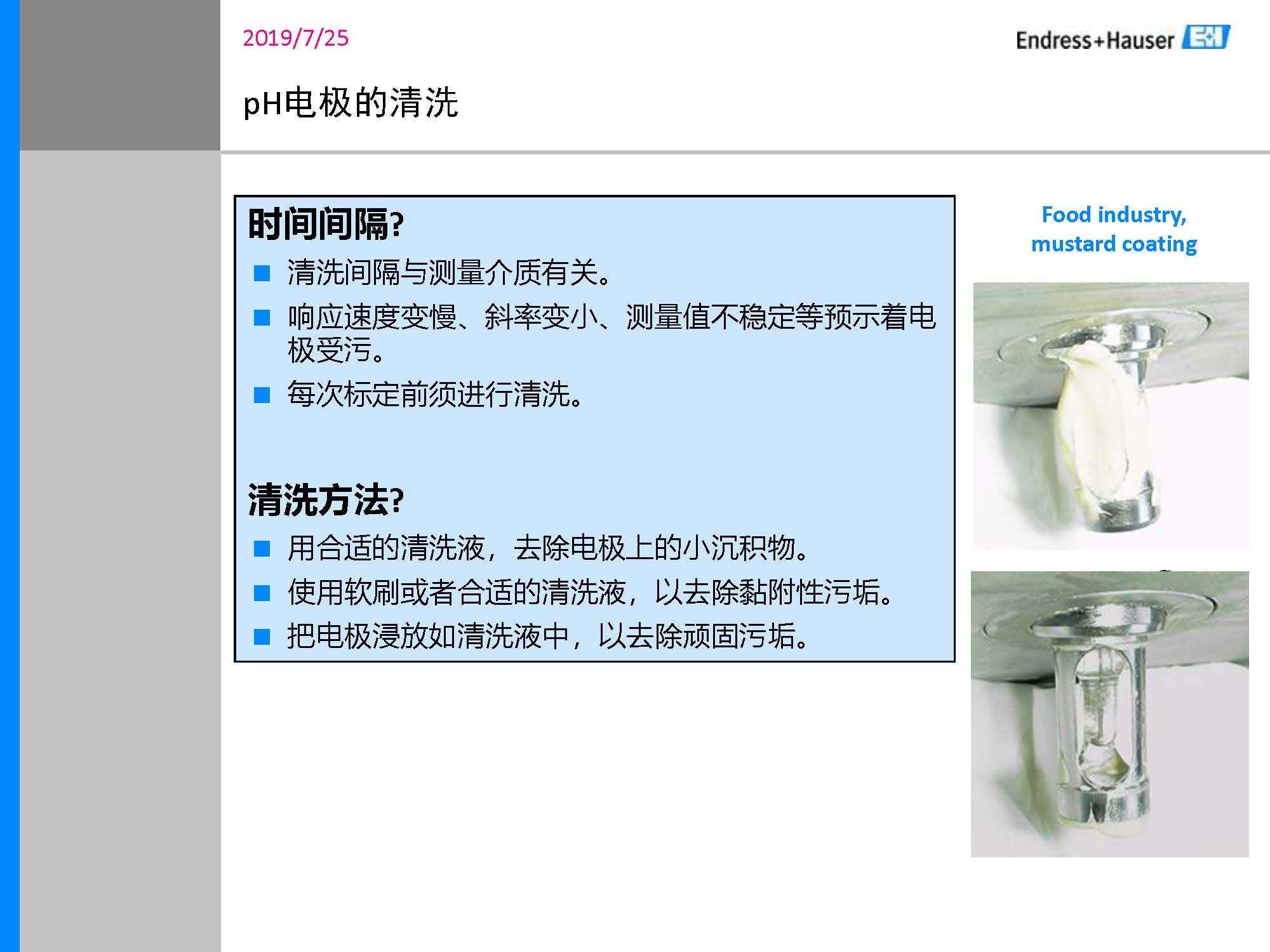
- Rinse the electrode with deionized water before calibration to avoid cross-contamination.
- Check the slope after calibration; the normal range is 95%-105%.
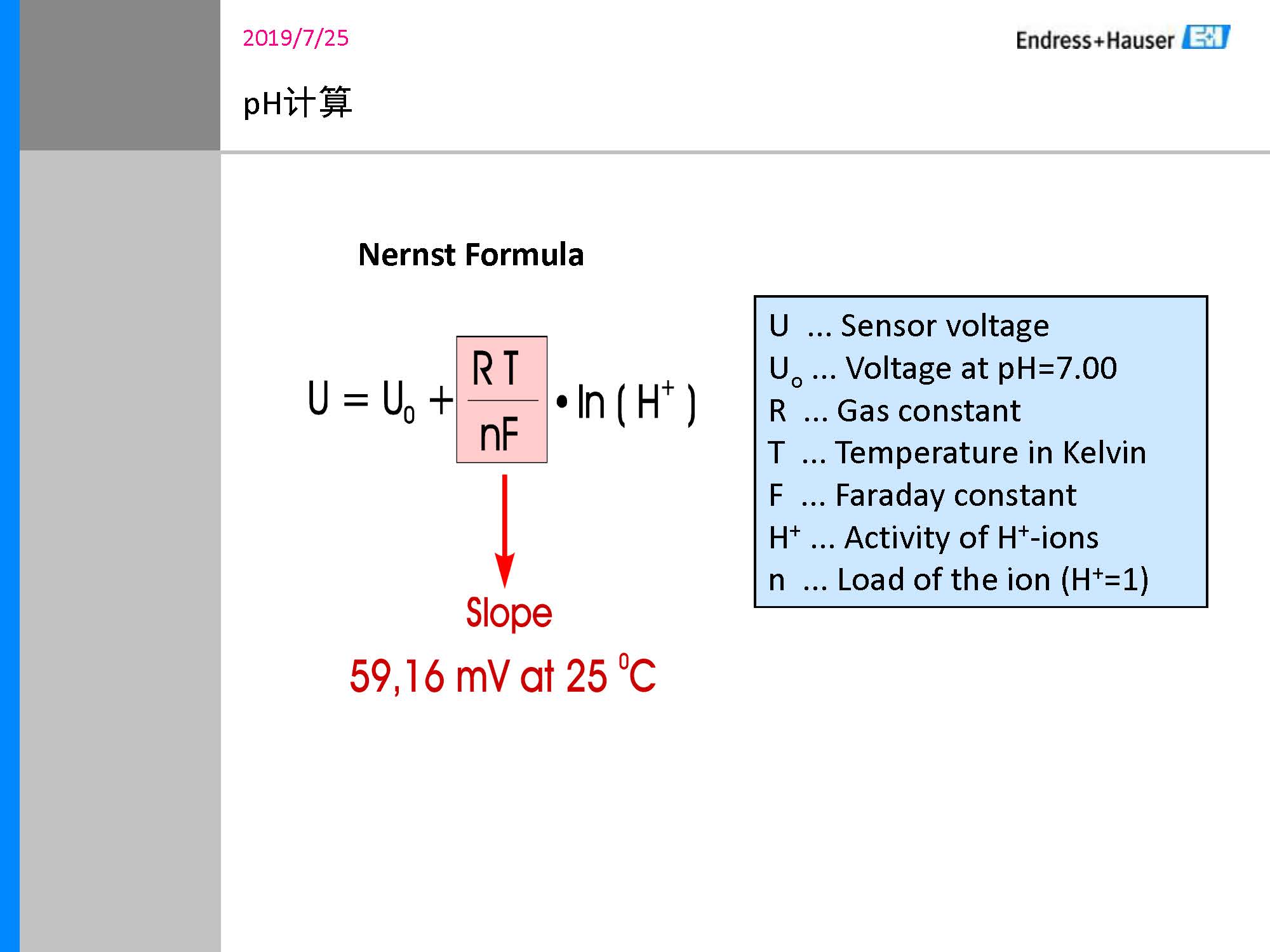
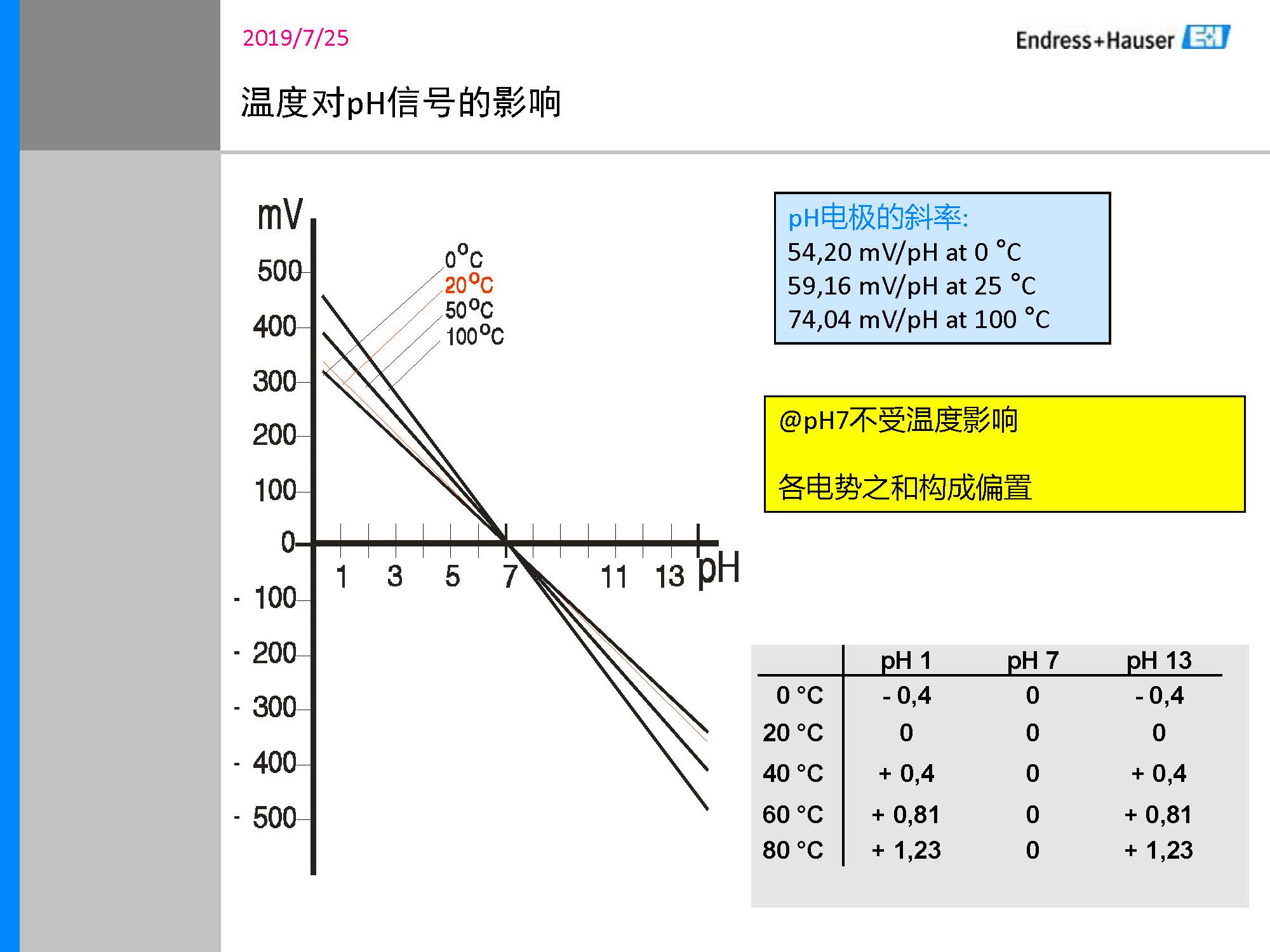
- Set temperature compensation to ensure accuracy.
Maintenance and Calibration
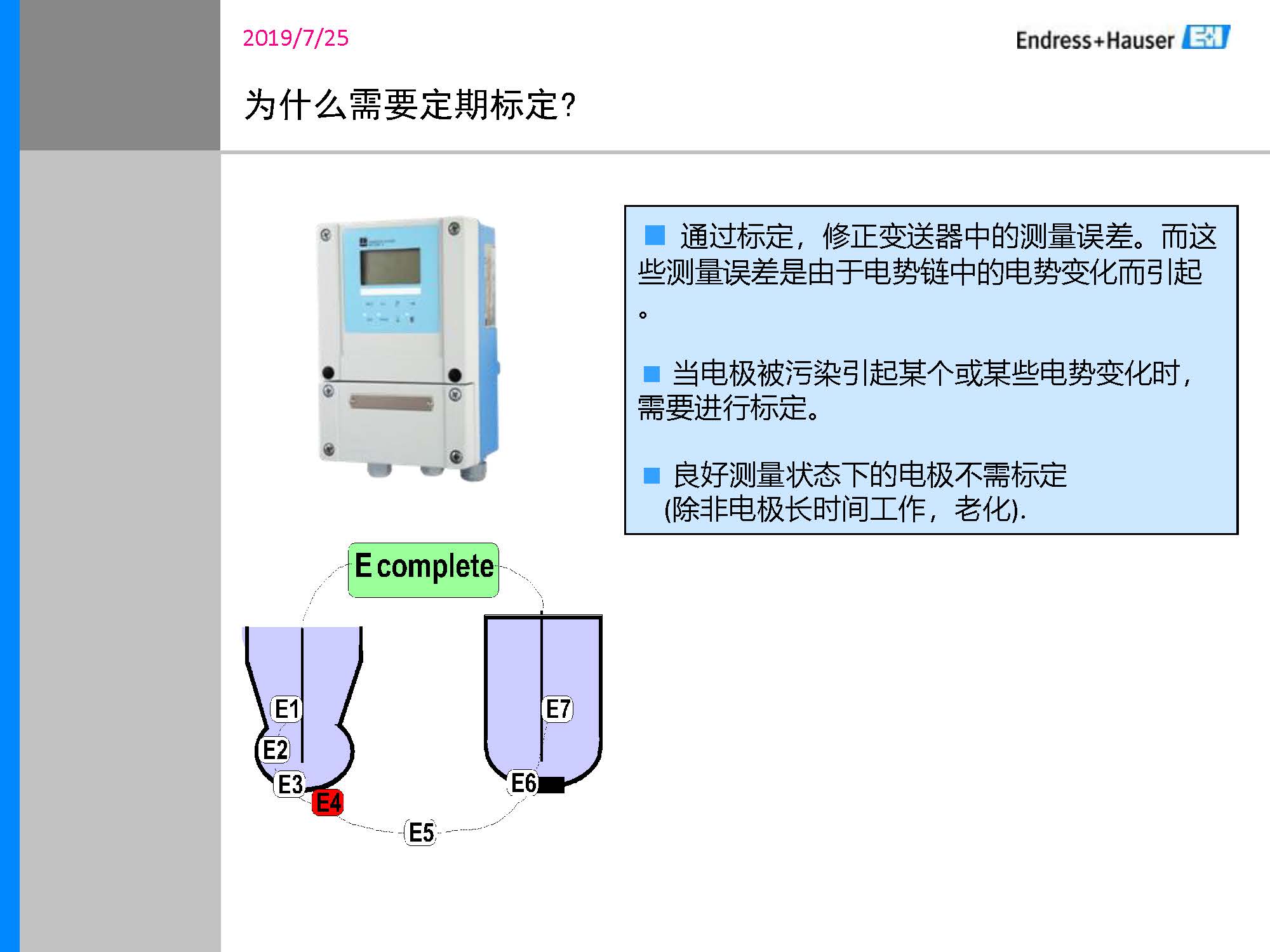
Regular maintenance can extend sensor life and maintain measurement accuracy. E+H recommends developing a maintenance plan based on operating conditions.
Daily Maintenance
- Regularly clean the electrode to remove dirt and scaling.
- Check the electrolyte level and replenish in time.
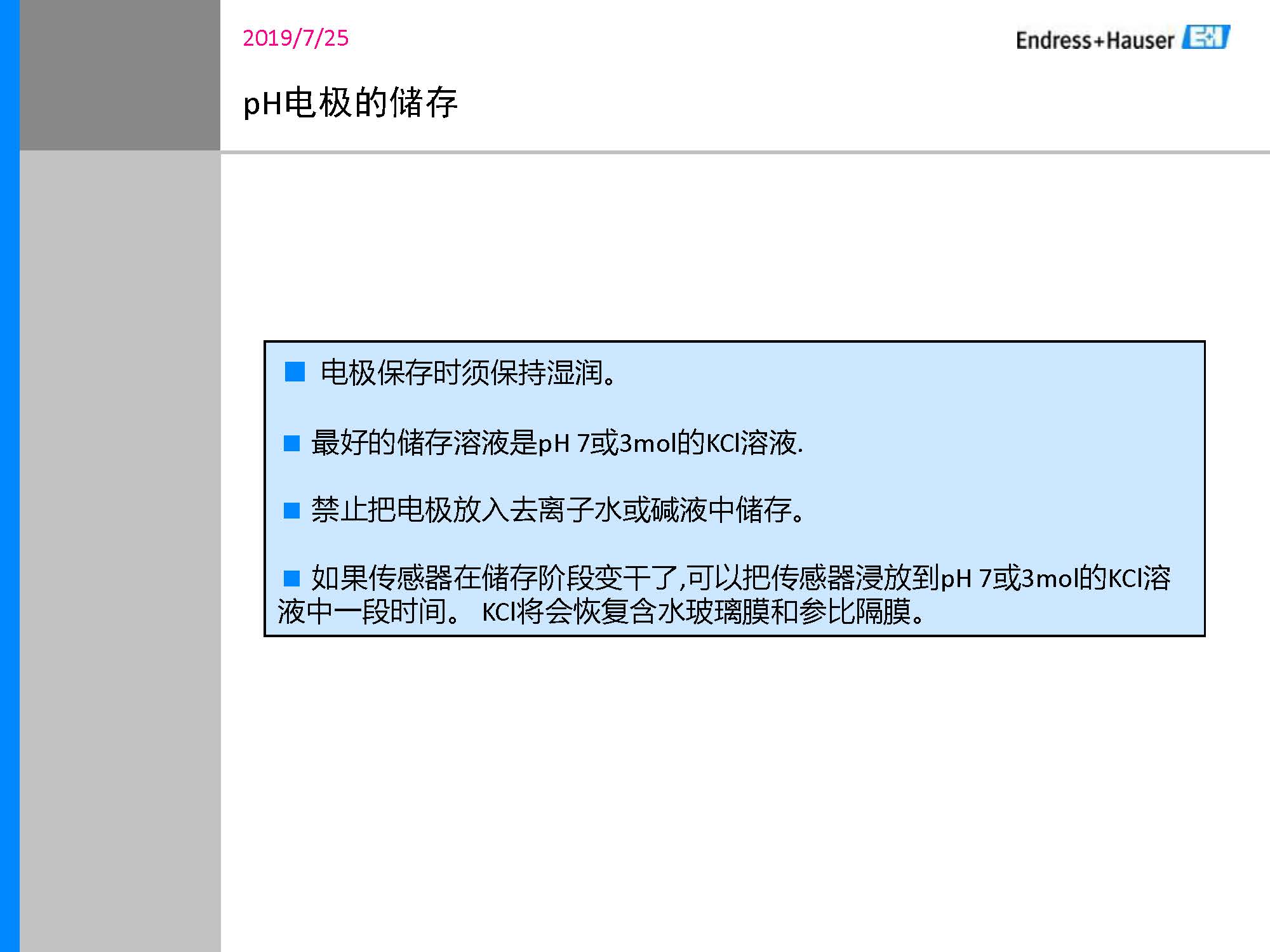
- Avoid drying out the electrode; store it in a protective solution.
Calibration Cycle
The calibration cycle depends on the application environment, typically 1-4 weeks. For high-precision applications, it can be shortened to daily. Using Memosens technology can simplify the calibration process.
Common Problems and Troubleshooting
When encountering abnormal measurements, refer to the following troubleshooting methods.
| Symptom | Possible Cause | Solution |
|---|---|---|
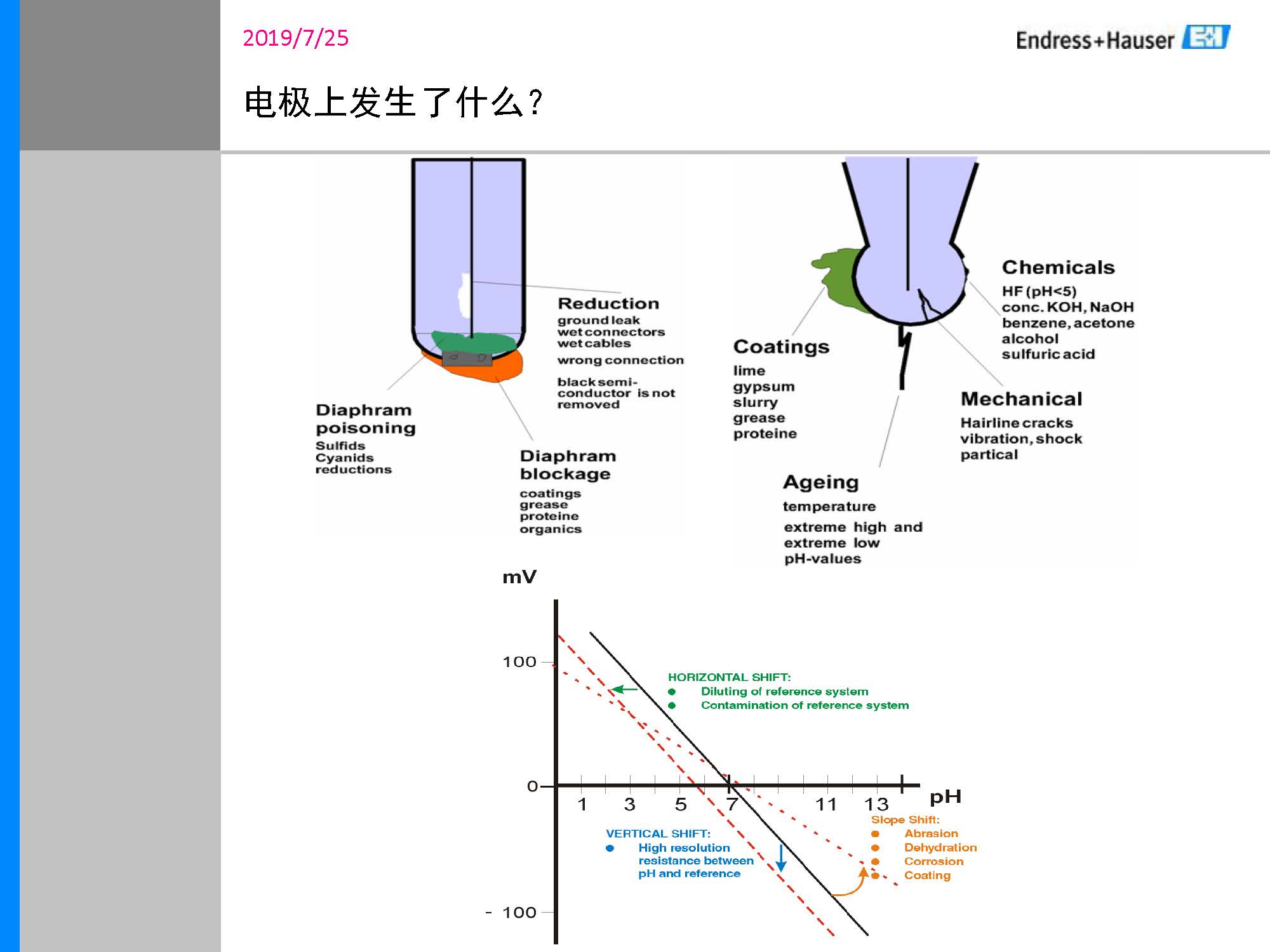
| Reading drift | Electrode contamination or aging | Clean or replace the electrode |
| Slow response | Clogged sensitive membrane | Clean the sensitive membrane |
| Low slope | Electrode aging | Replace the electrode |
| No signal | Cable fault | Check the connection |
Summary
With advanced technology and reliable quality, E+H pH sensors have become the first choice for industrial pH measurement. Through proper selection, installation, and maintenance, long-term stable operation can be ensured. For more information, please refer to official documents or contact technical support.