E+H Ultrasonic Level Meter Overview
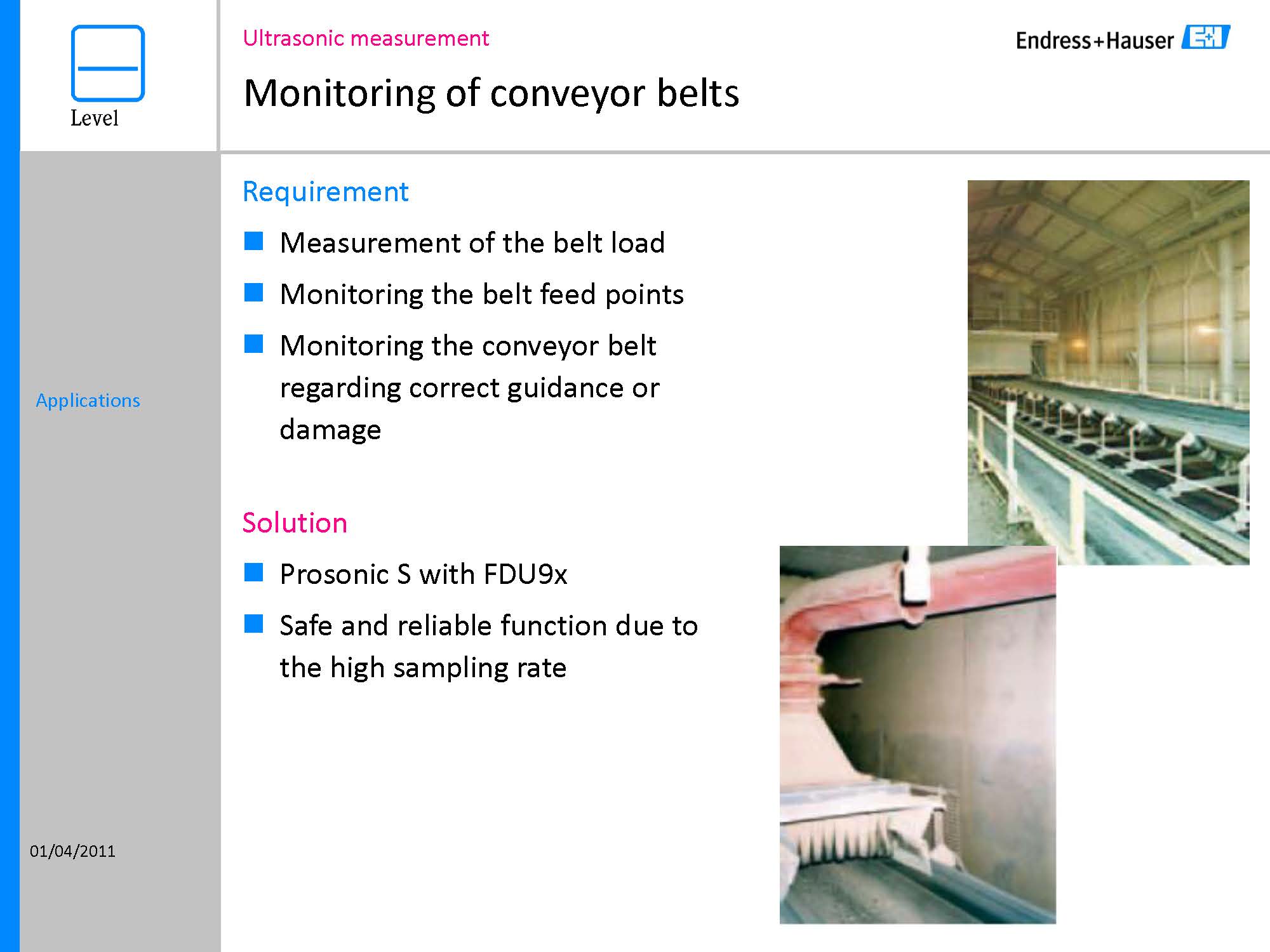
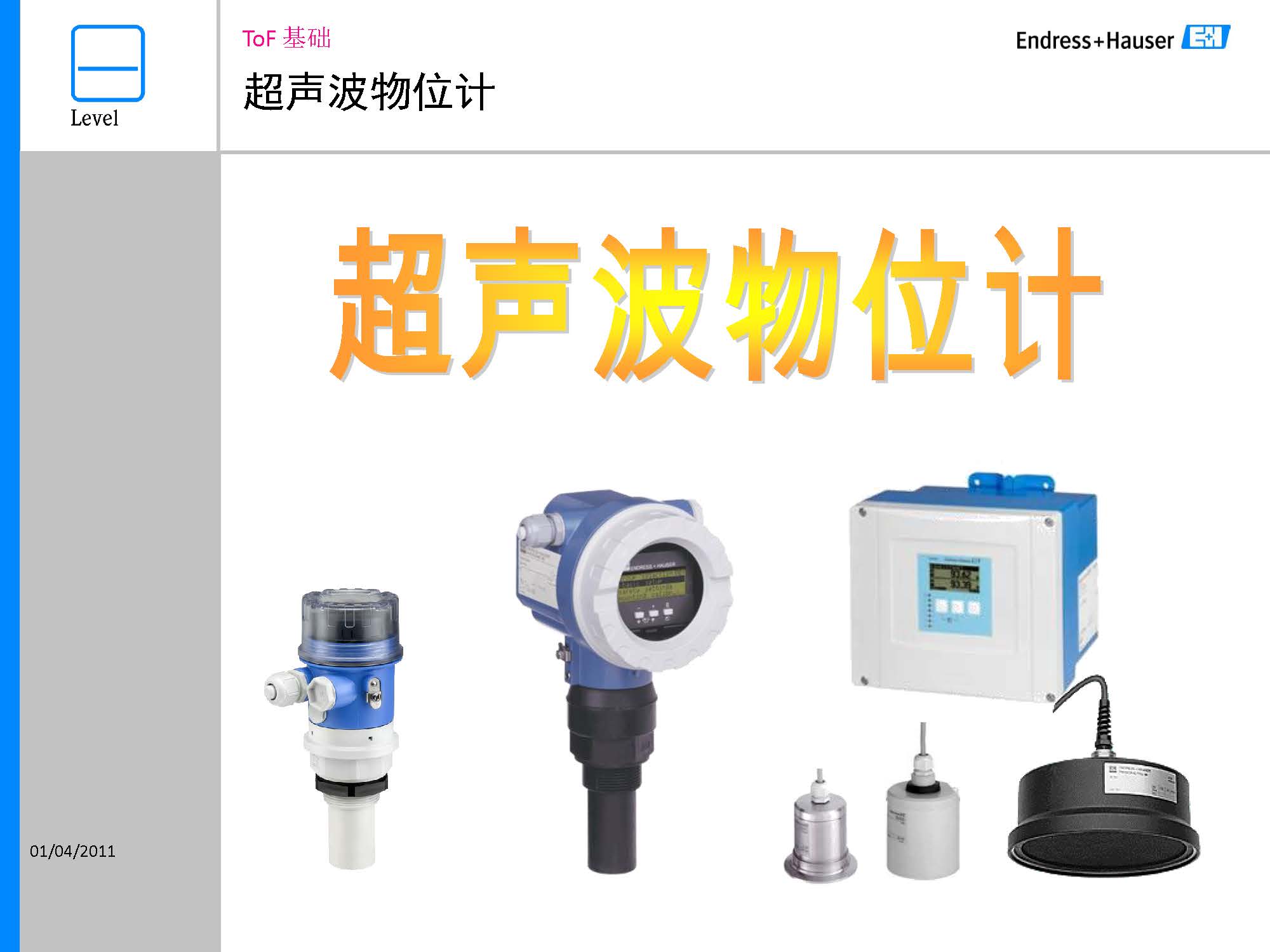
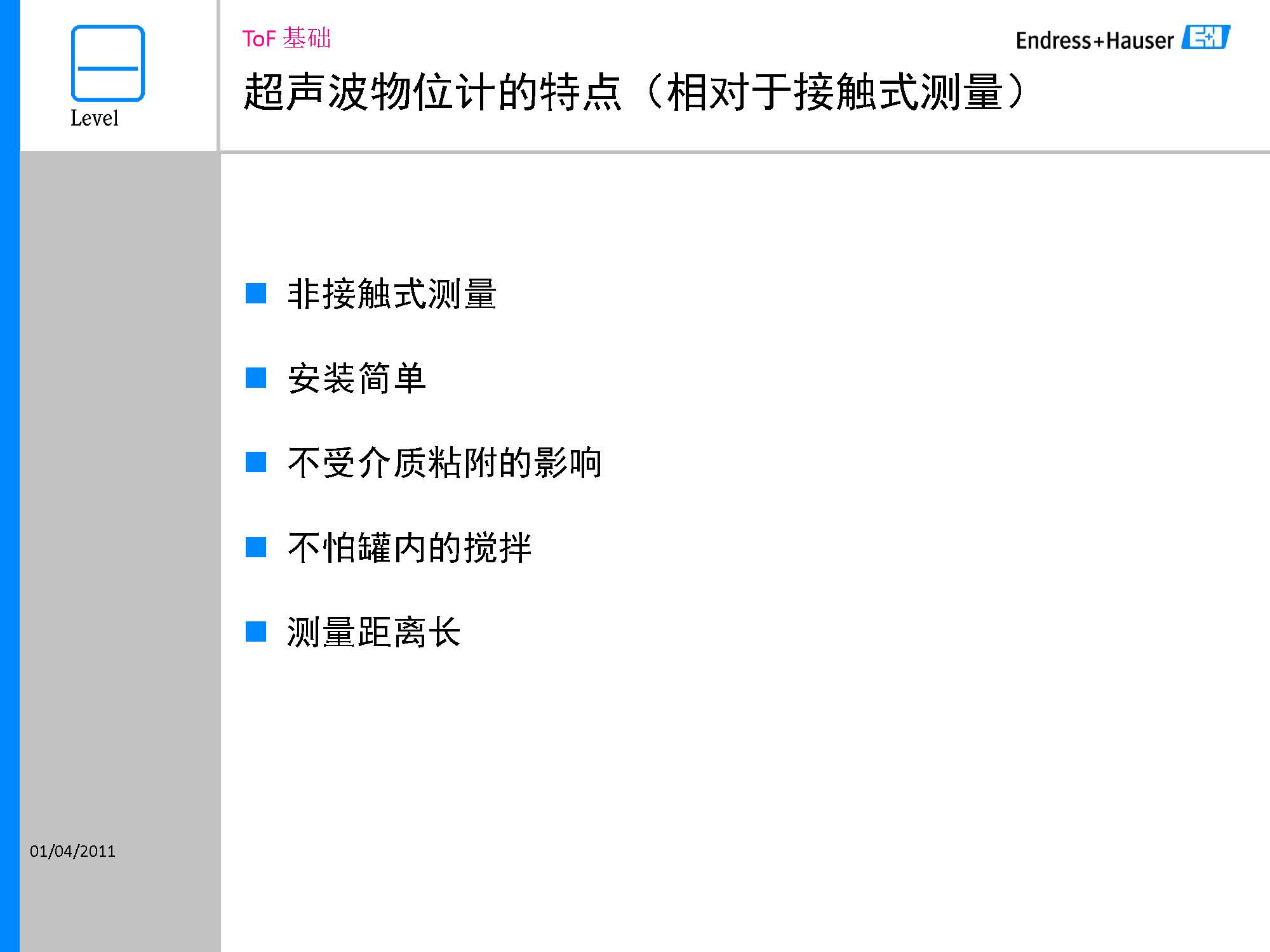
E+H ultrasonic level meter is a mainstream instrument in industrial level measurement, using non-contact measurement principle, suitable for continuous level monitoring of liquids, slurries, and some solid particles. Its core advantages are easy installation, low maintenance, and not affected by medium density, viscosity, and other parameters.
Working Principle and Technical Features
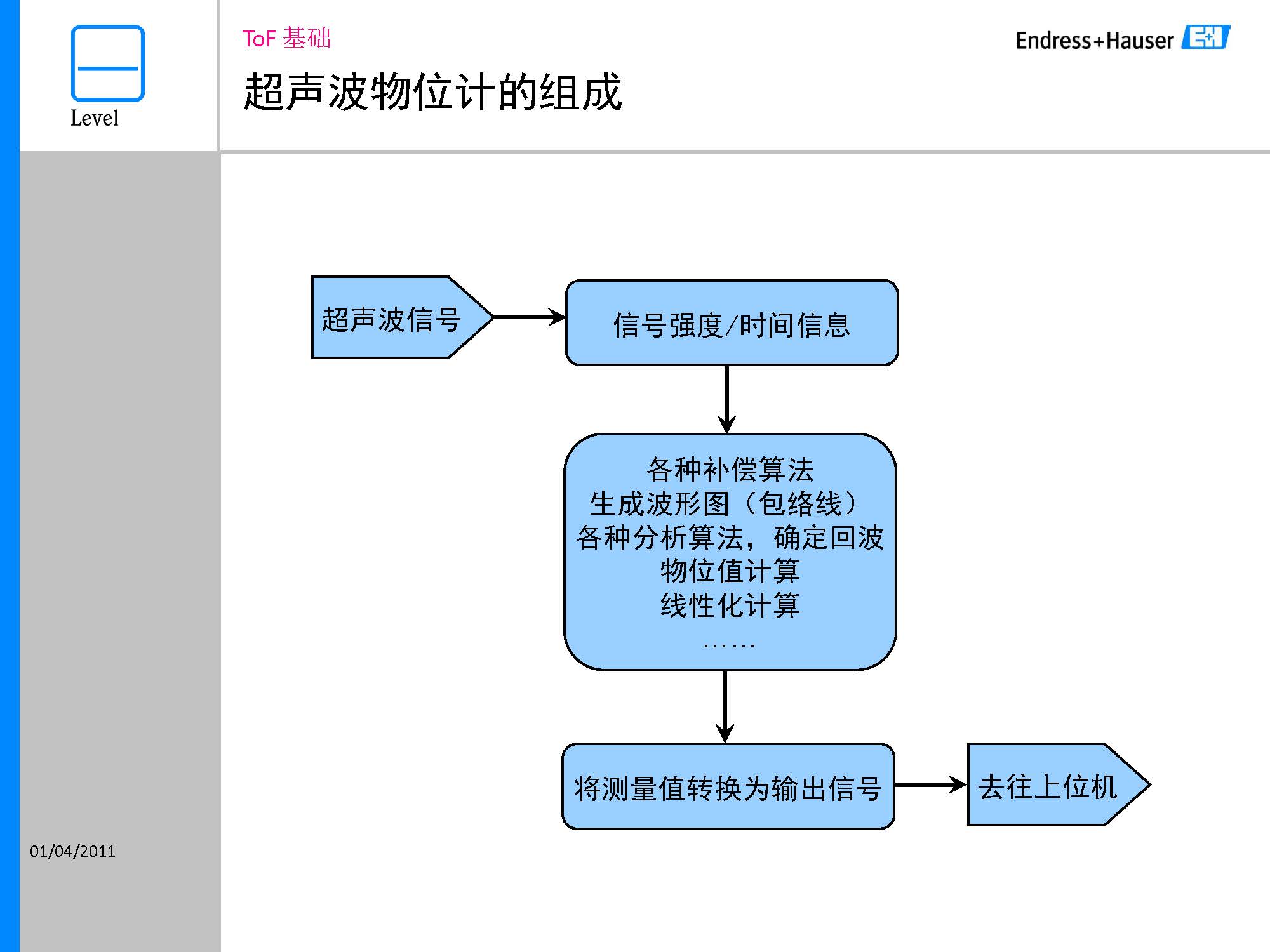
Ultrasonic Distance Measurement Principle
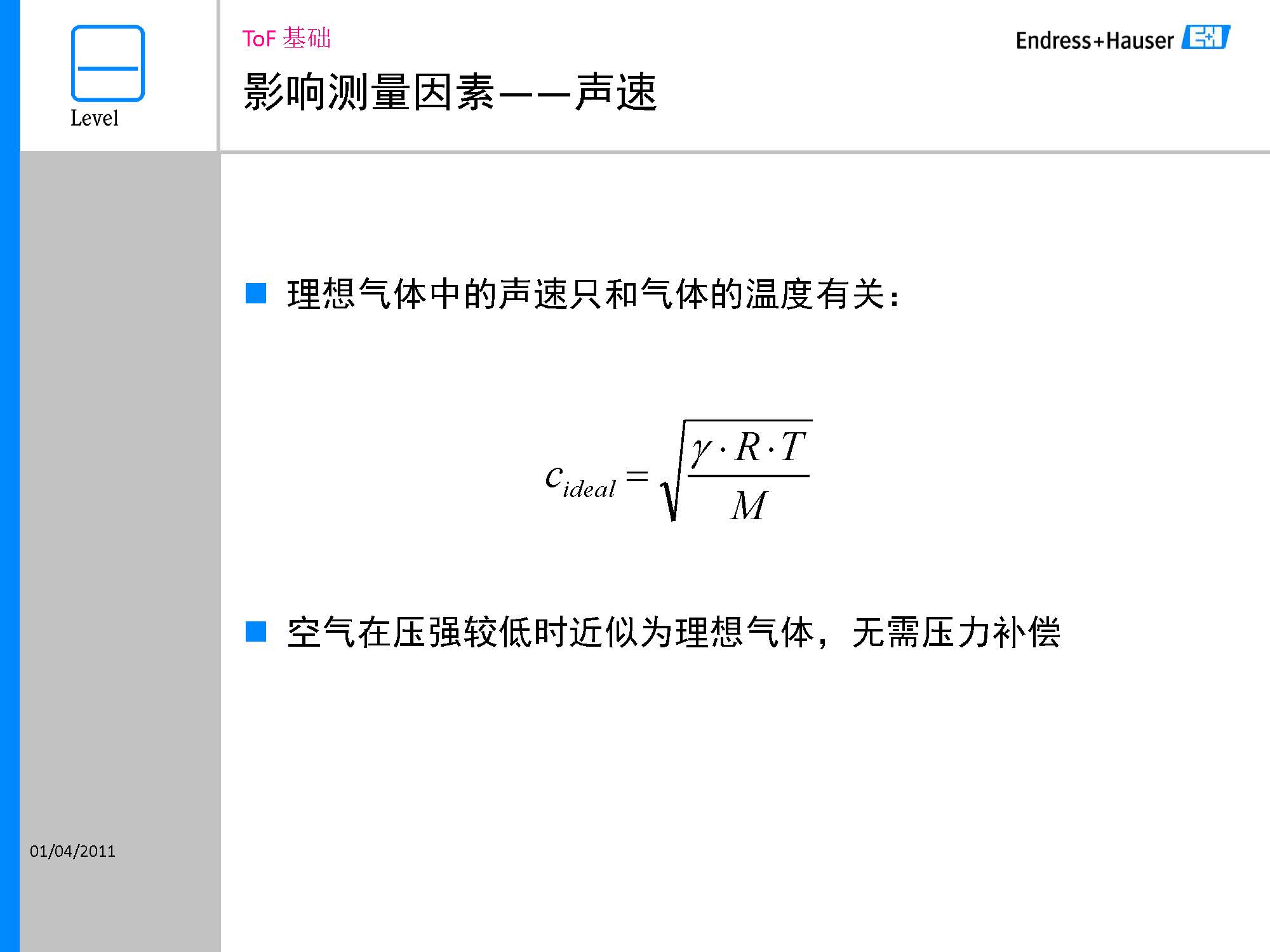
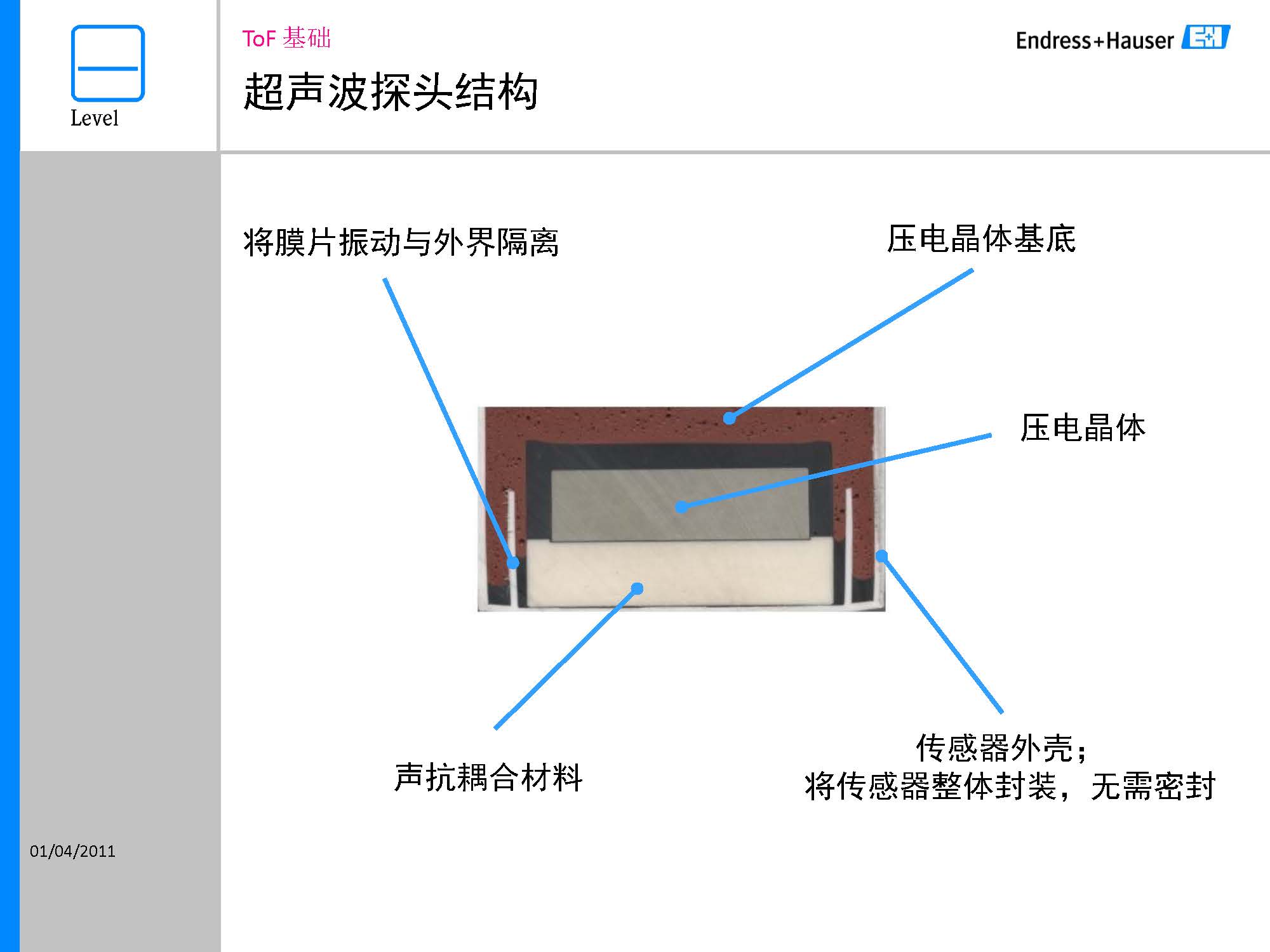
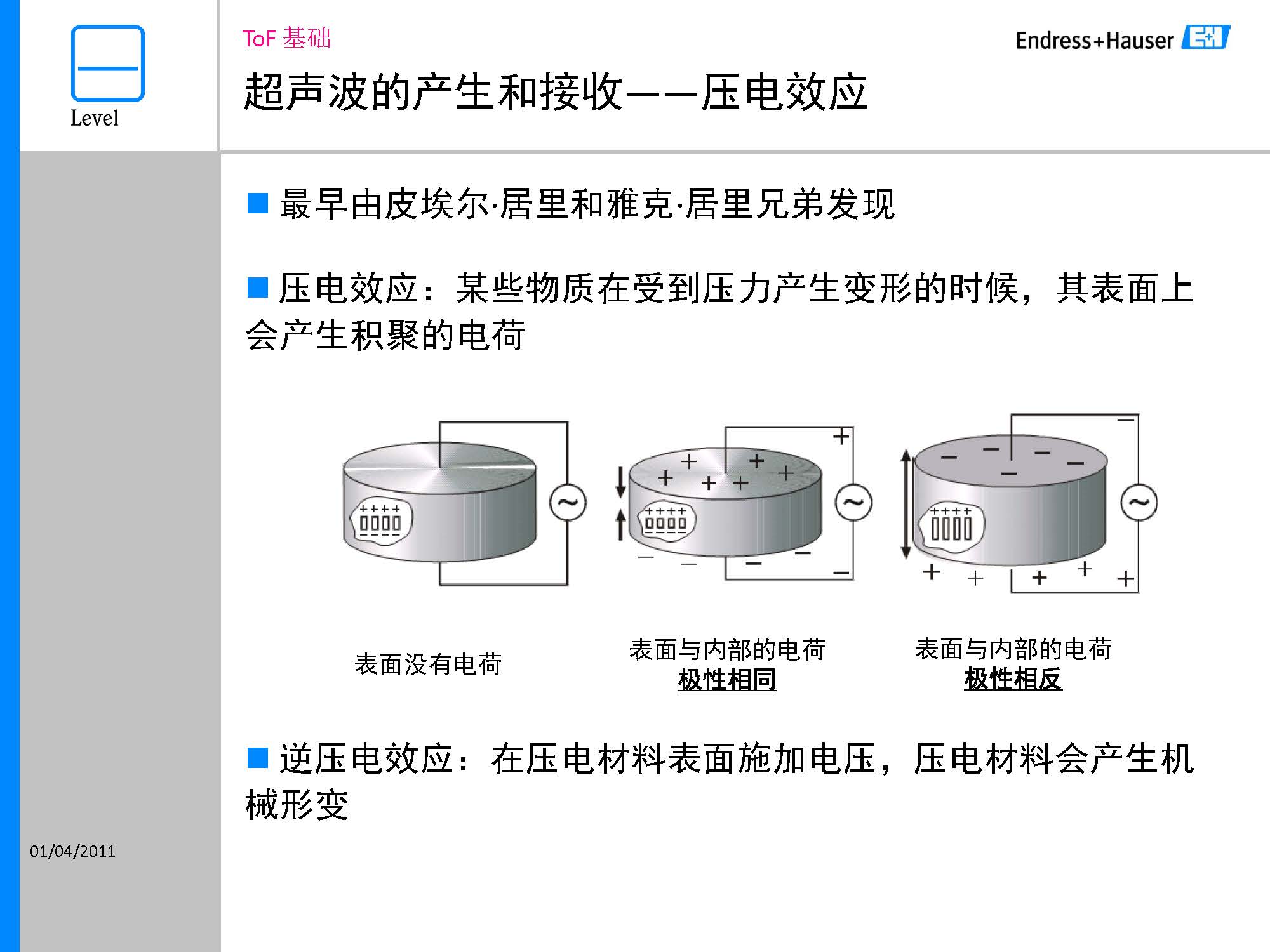
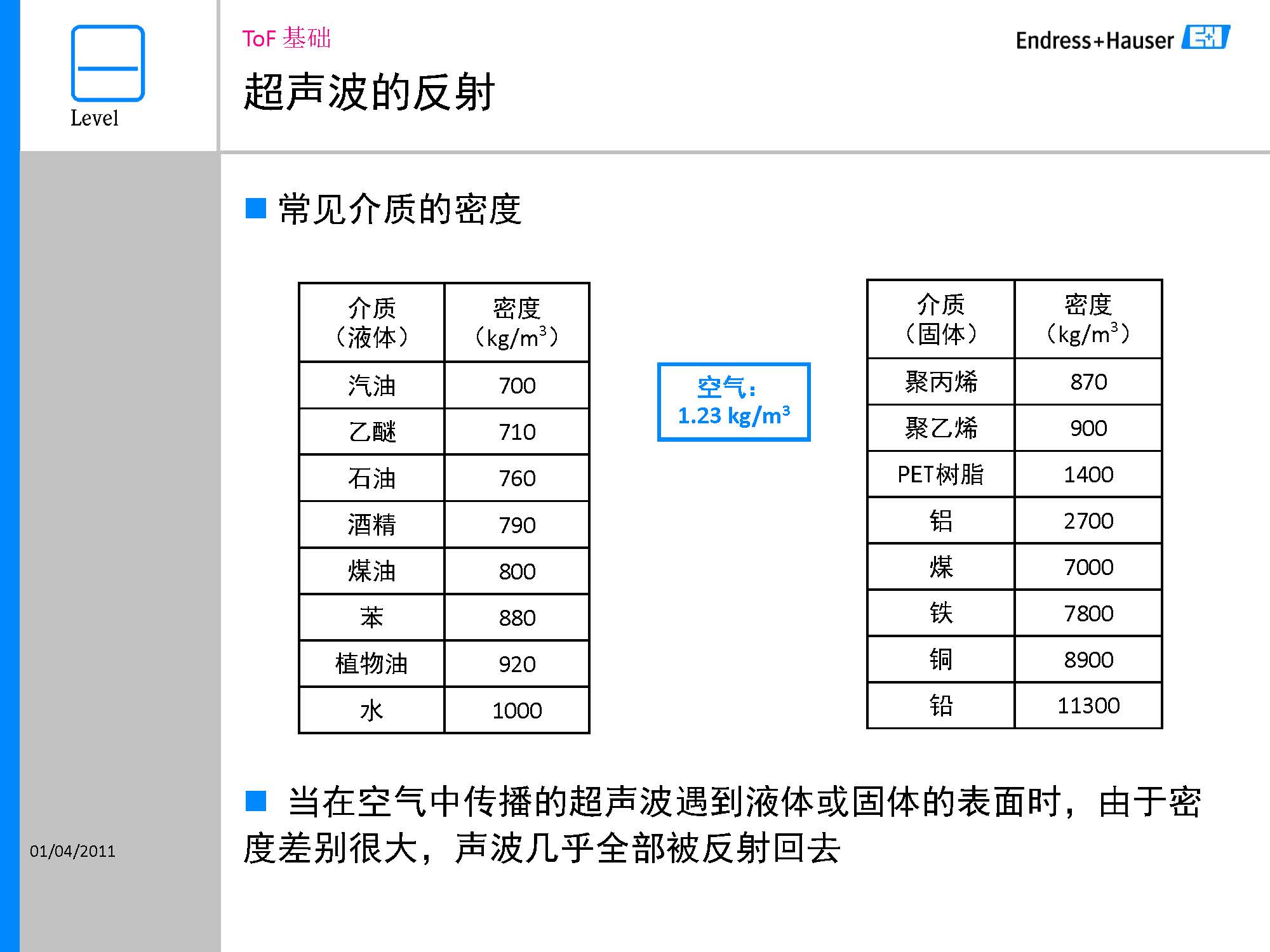
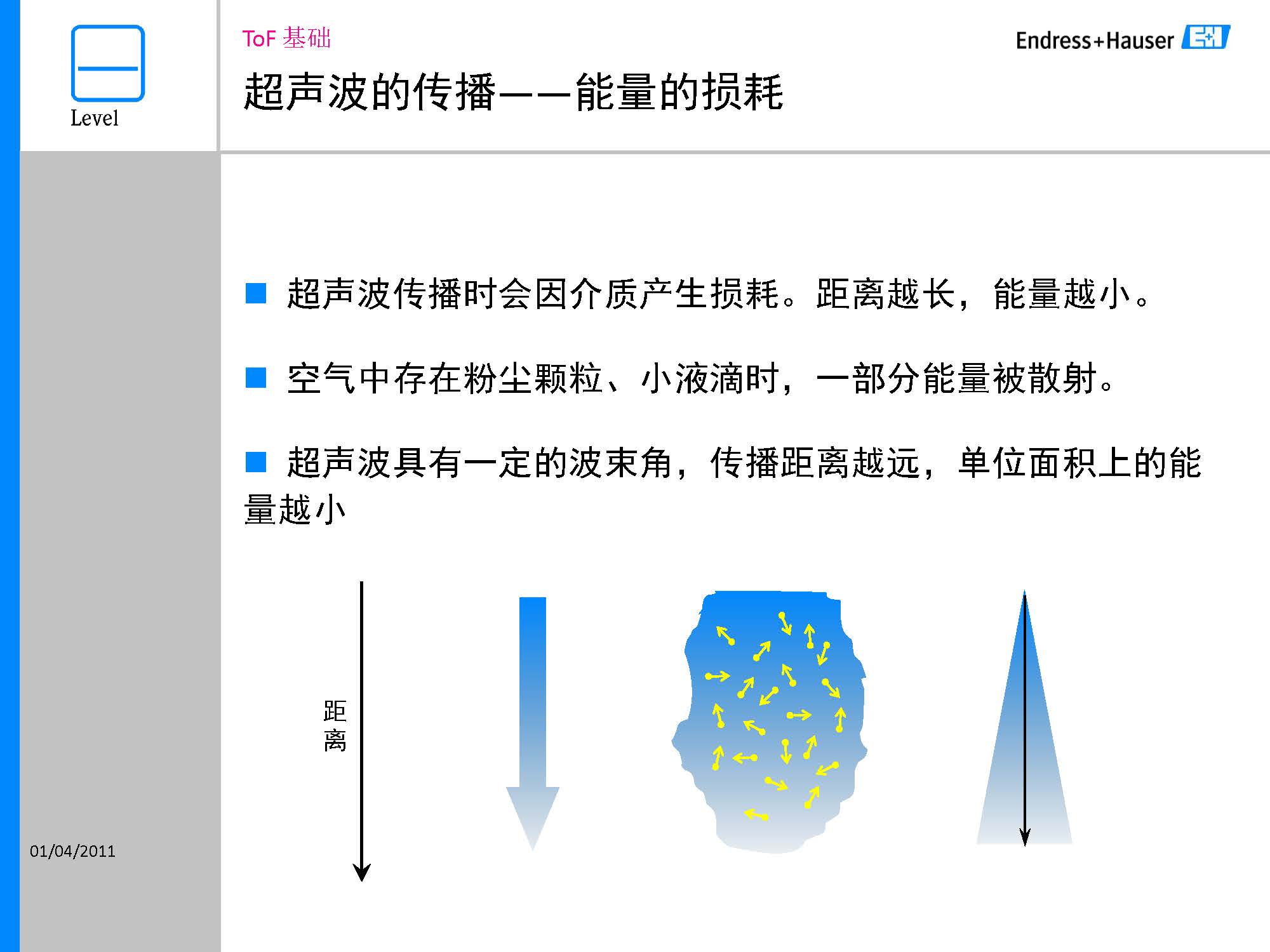
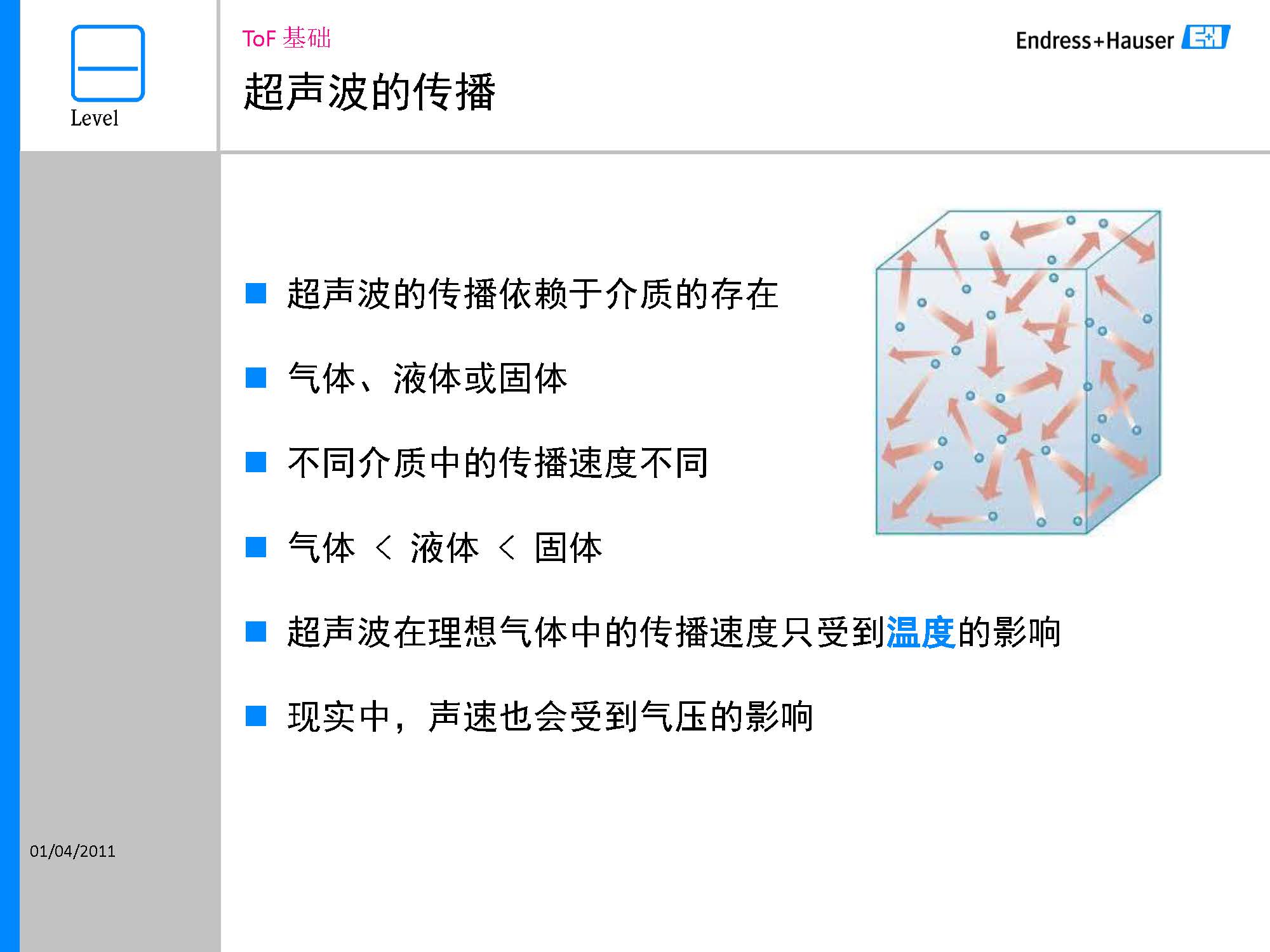
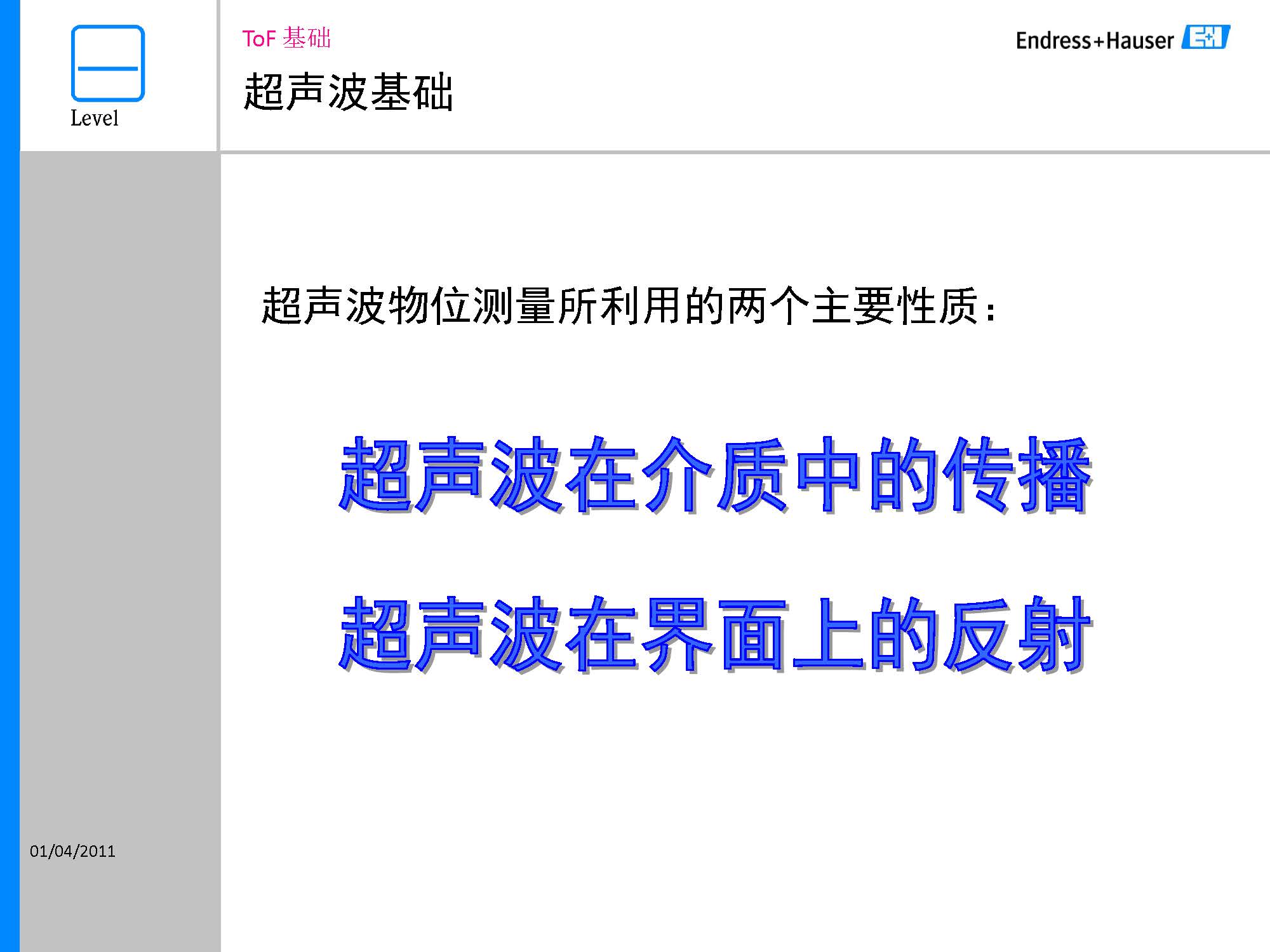
E+H ultrasonic level meter emits high-frequency sound wave pulses through a transducer. The sound wave is reflected by the liquid surface and then received by the same transducer. The instrument calculates the distance based on the sound wave propagation time and sound speed, and then converts it to the level height.
- Non-contact measurement: No direct contact with the medium, avoiding corrosion and contamination.
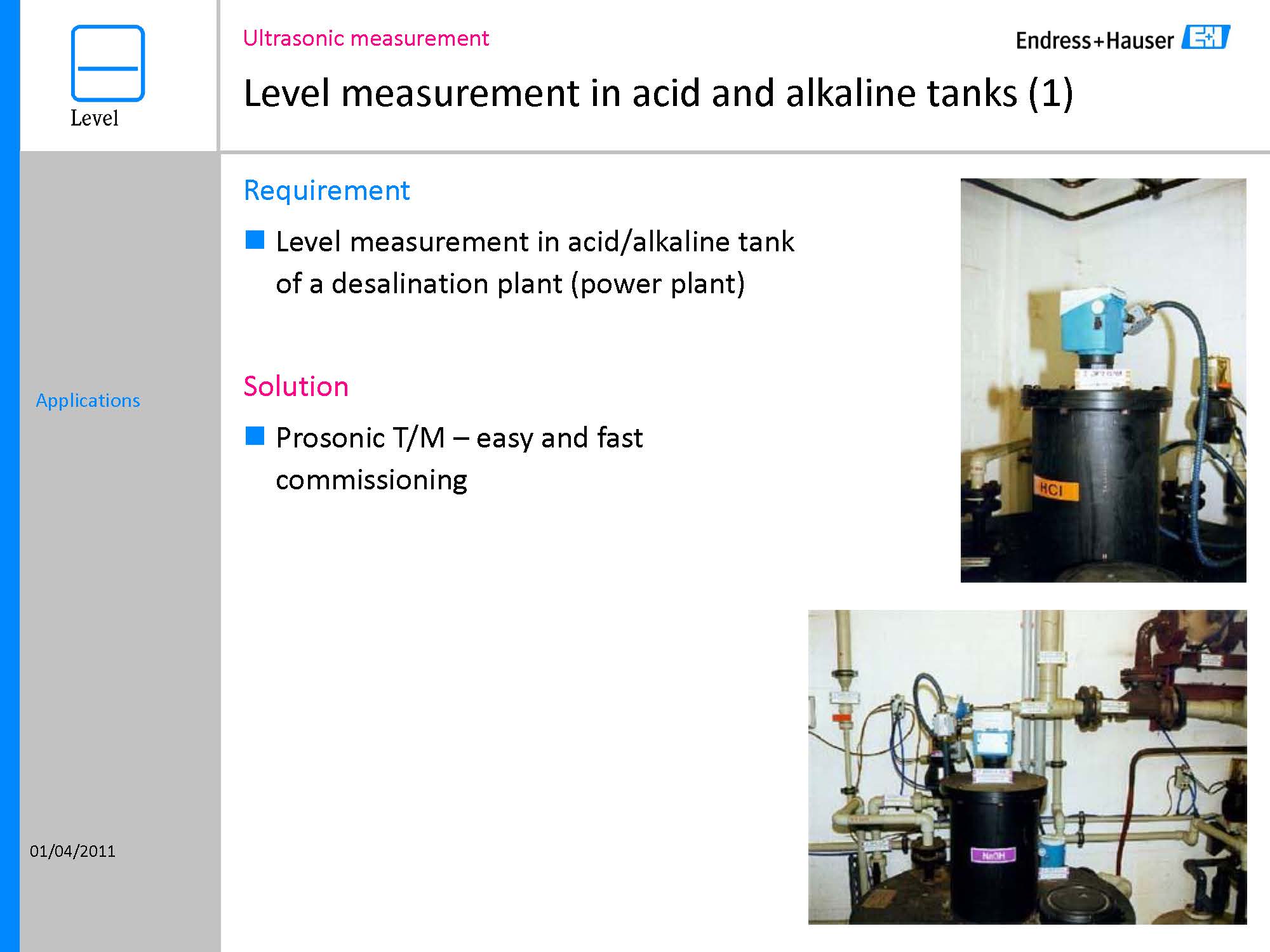
- Wide application: Can measure water, acid and alkali solutions, oils, and slurries, etc.
- Fast response: Typical response time less than 1 second, meeting real-time control needs.
Key Technical Parameters
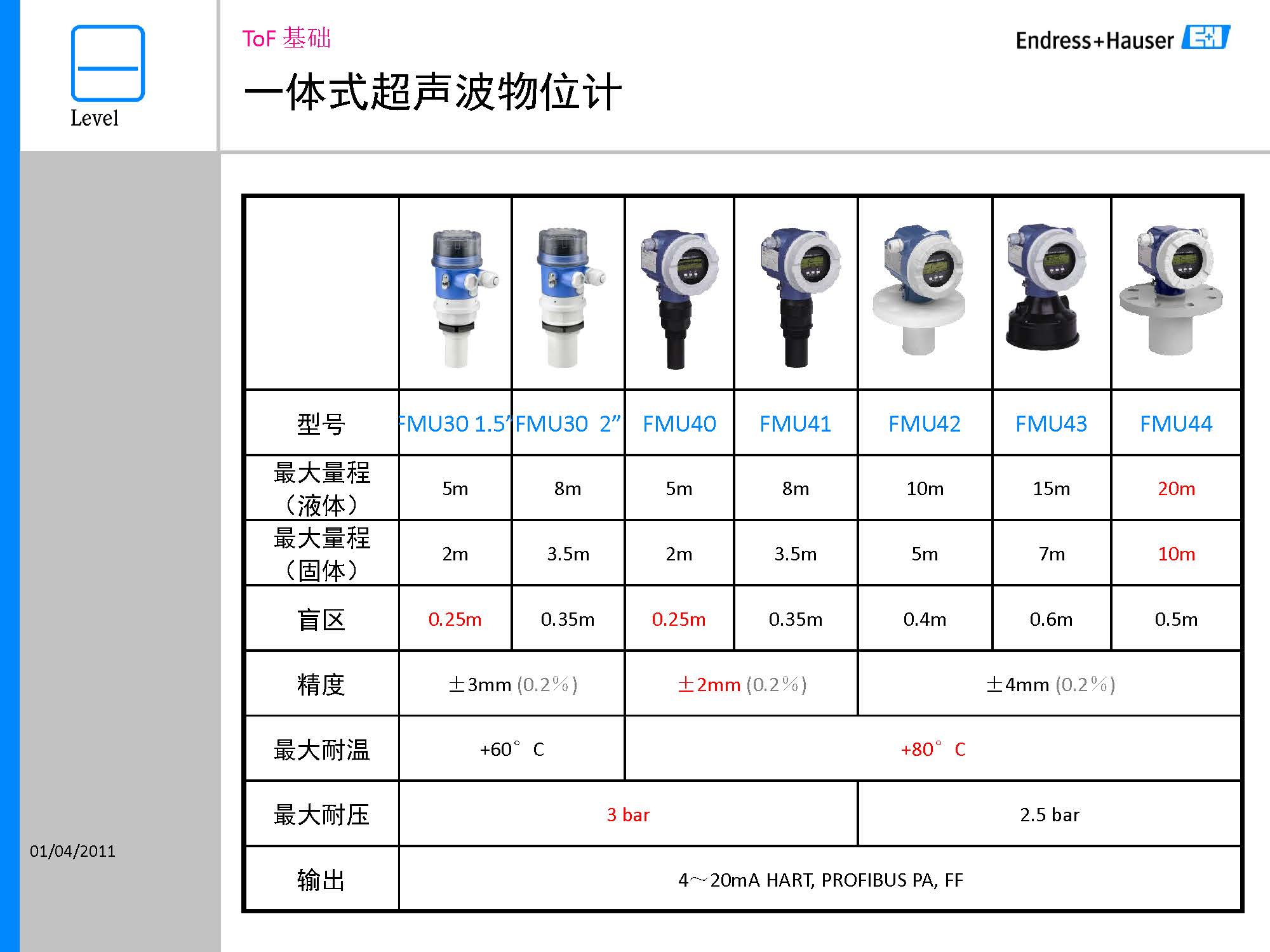
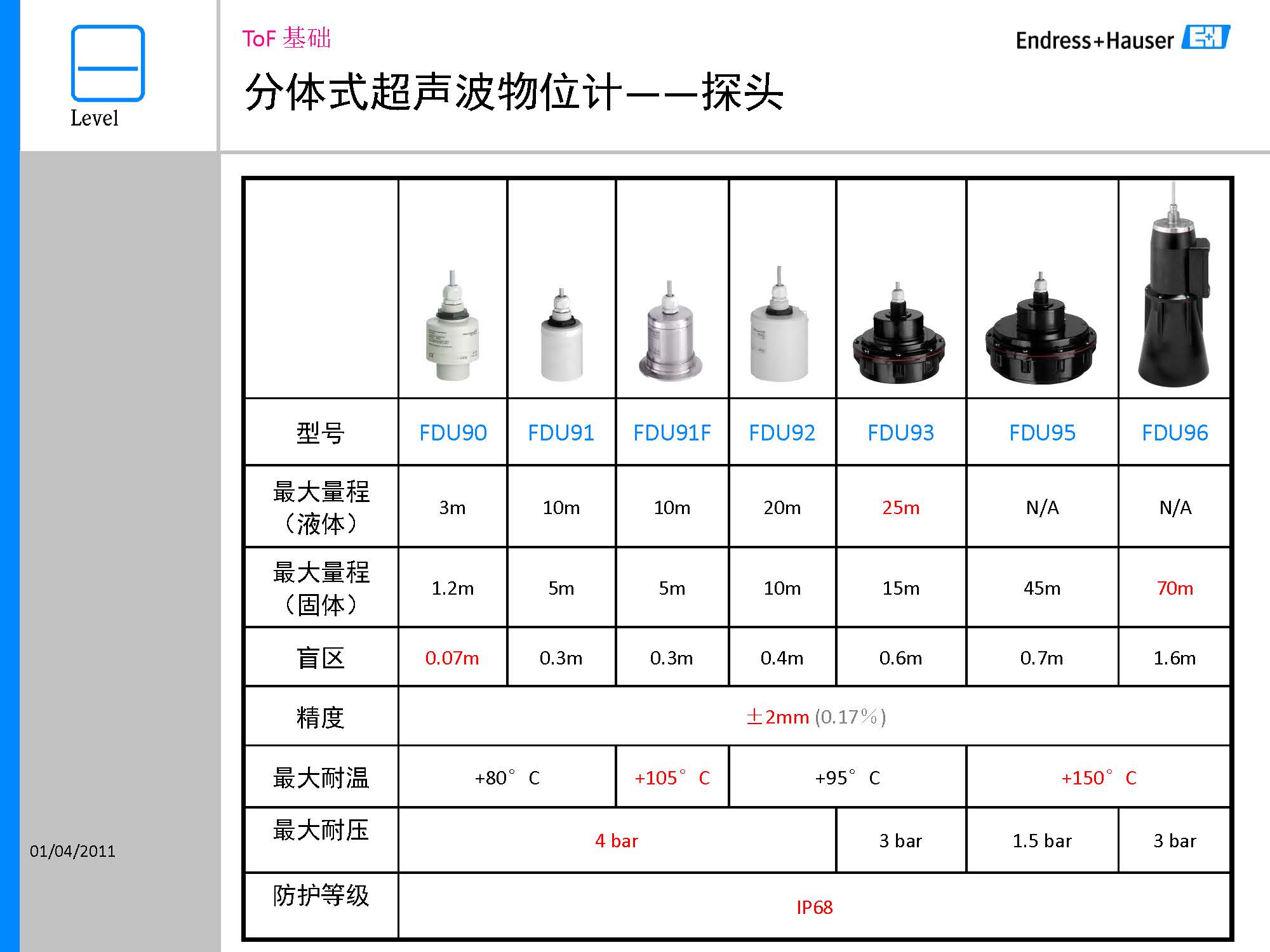
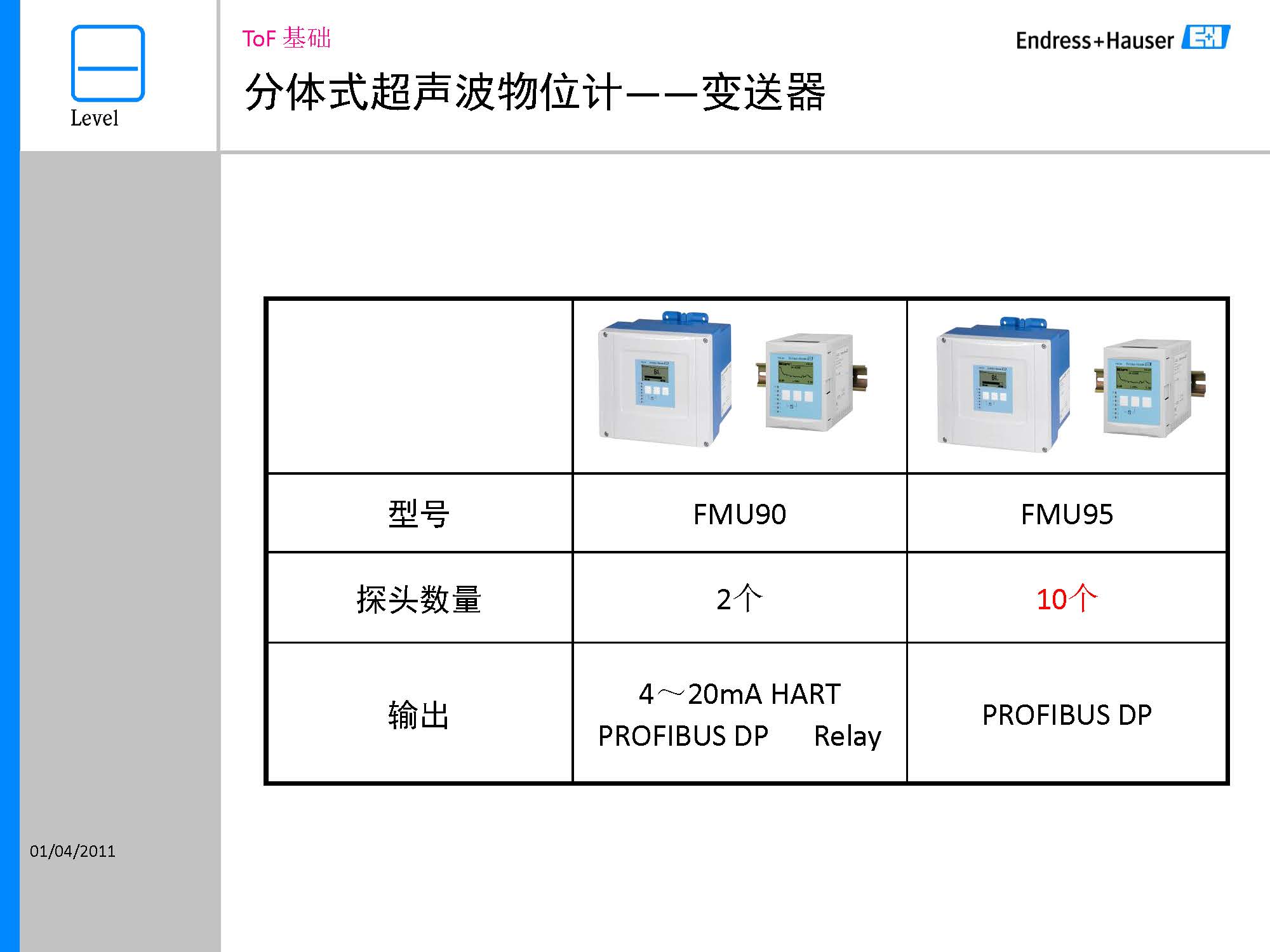
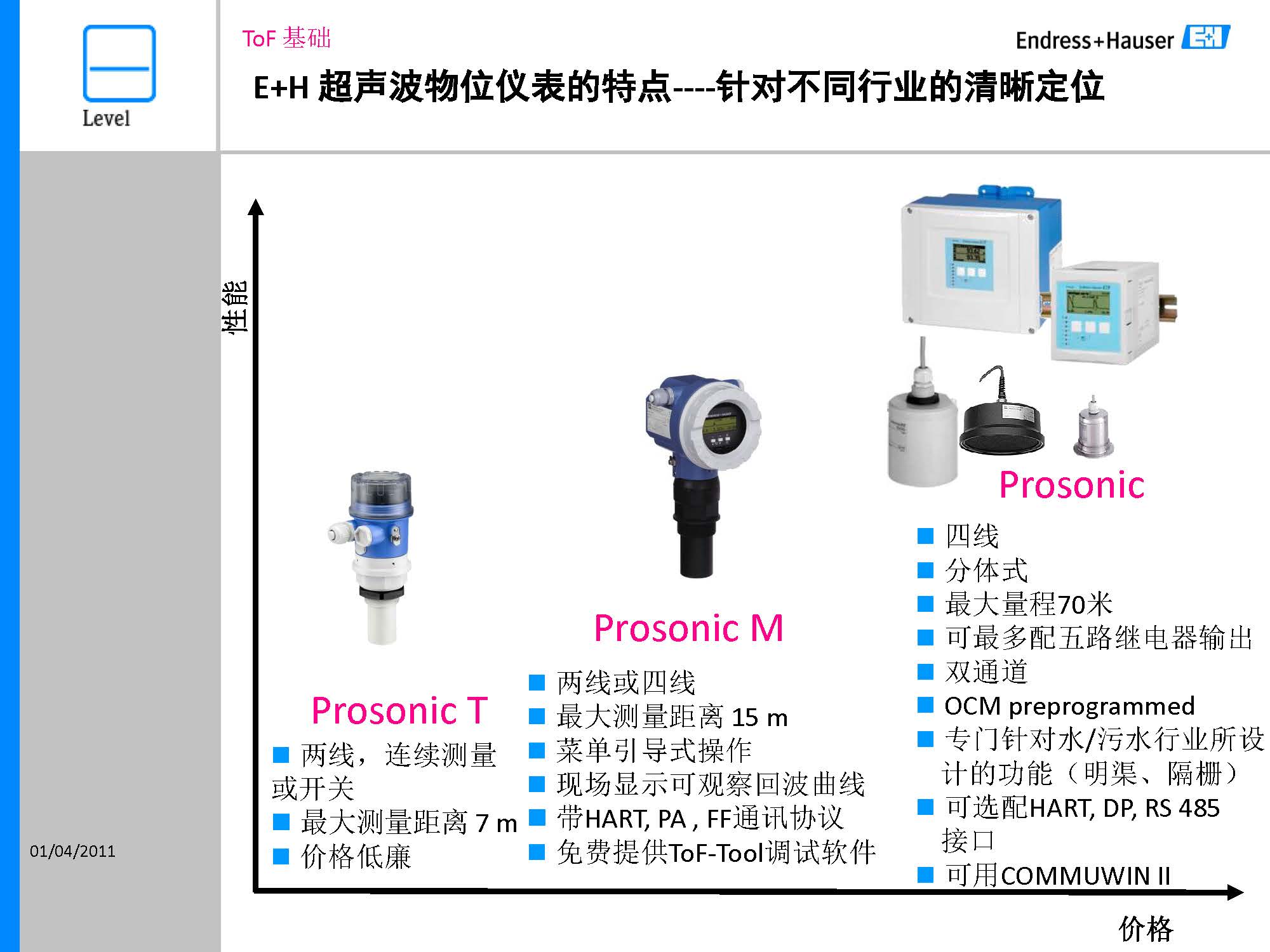
When selecting, focus on range, accuracy, process connection, and output signal. The table below lists the core parameter comparison of common E+H series.
| Parameter | Prosonic S | Prosonic T | Levelflex |
|---|---|---|---|
| Measuring range | 0~20m | 0~15m | 0~45m |
| Accuracy | ±0.2% | ±0.3% | ±0.1% |
| Output signal | 4-20mA/HART | 4-20mA | 4-20mA/Profibus |
| Protection class | IP67 | IP66 | IP68 |
Installation and Commissioning Guide
Installation Precautions
Correct installation is the prerequisite for ensuring measurement accuracy. The following points must be strictly followed:
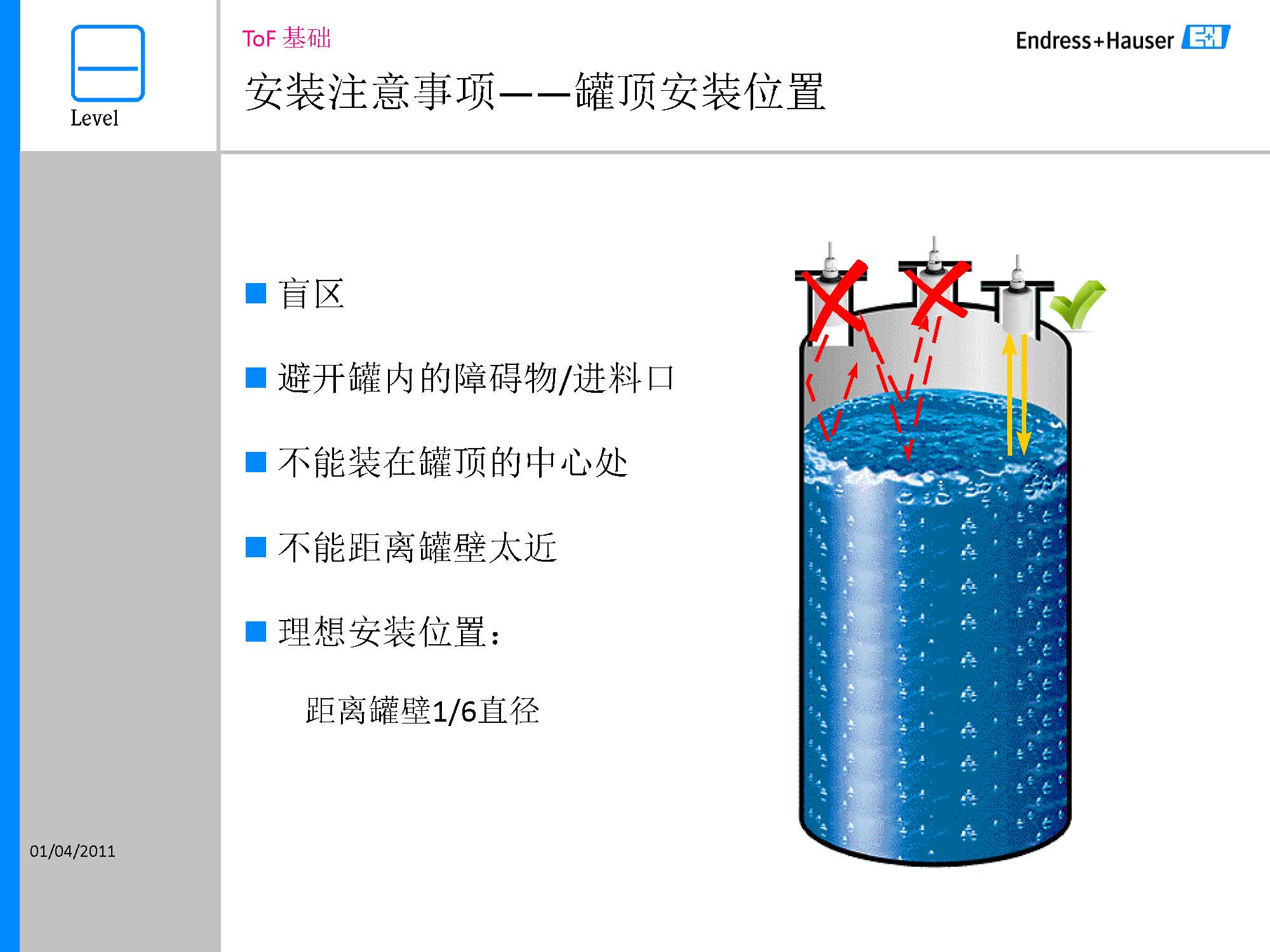
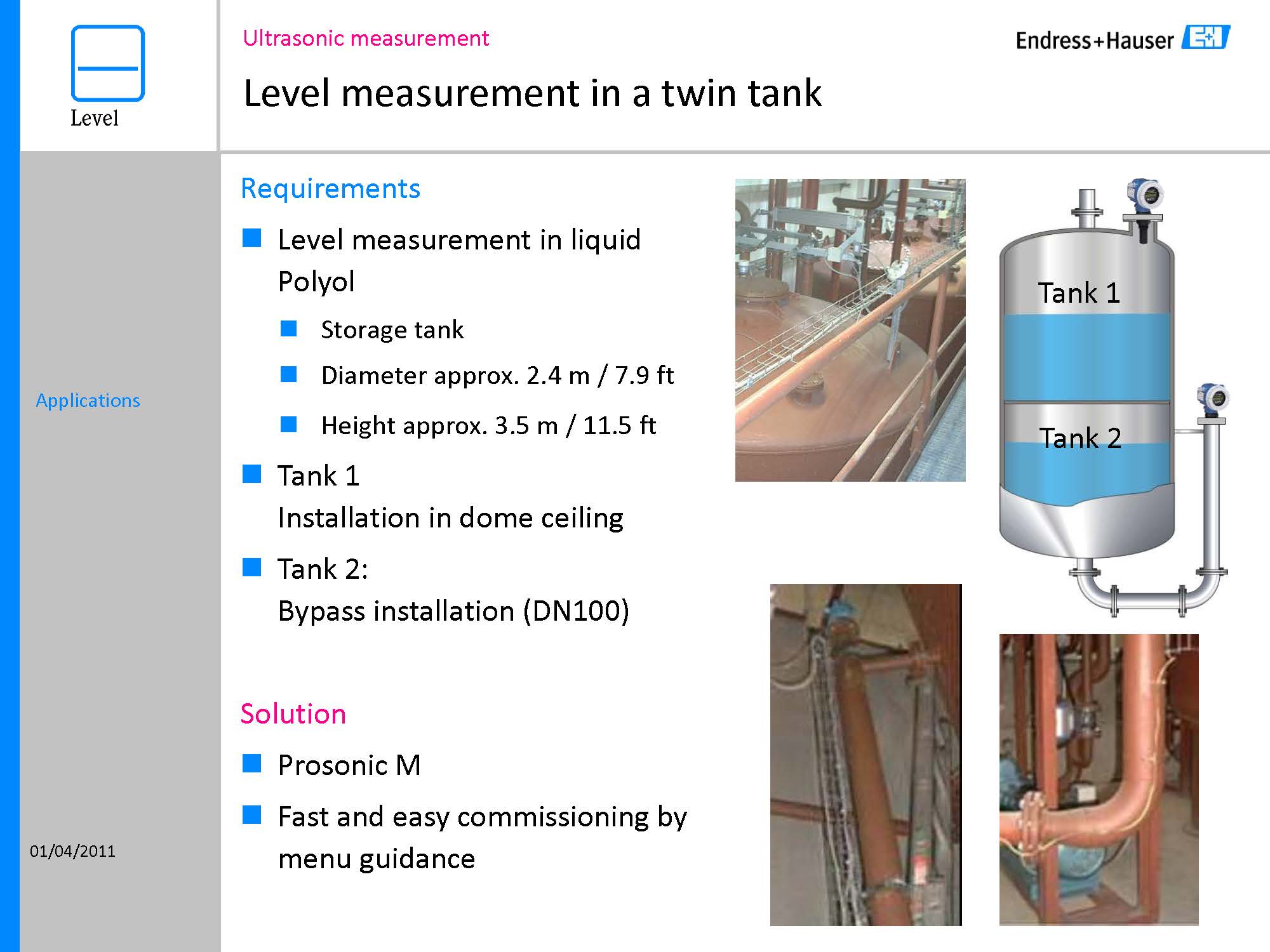
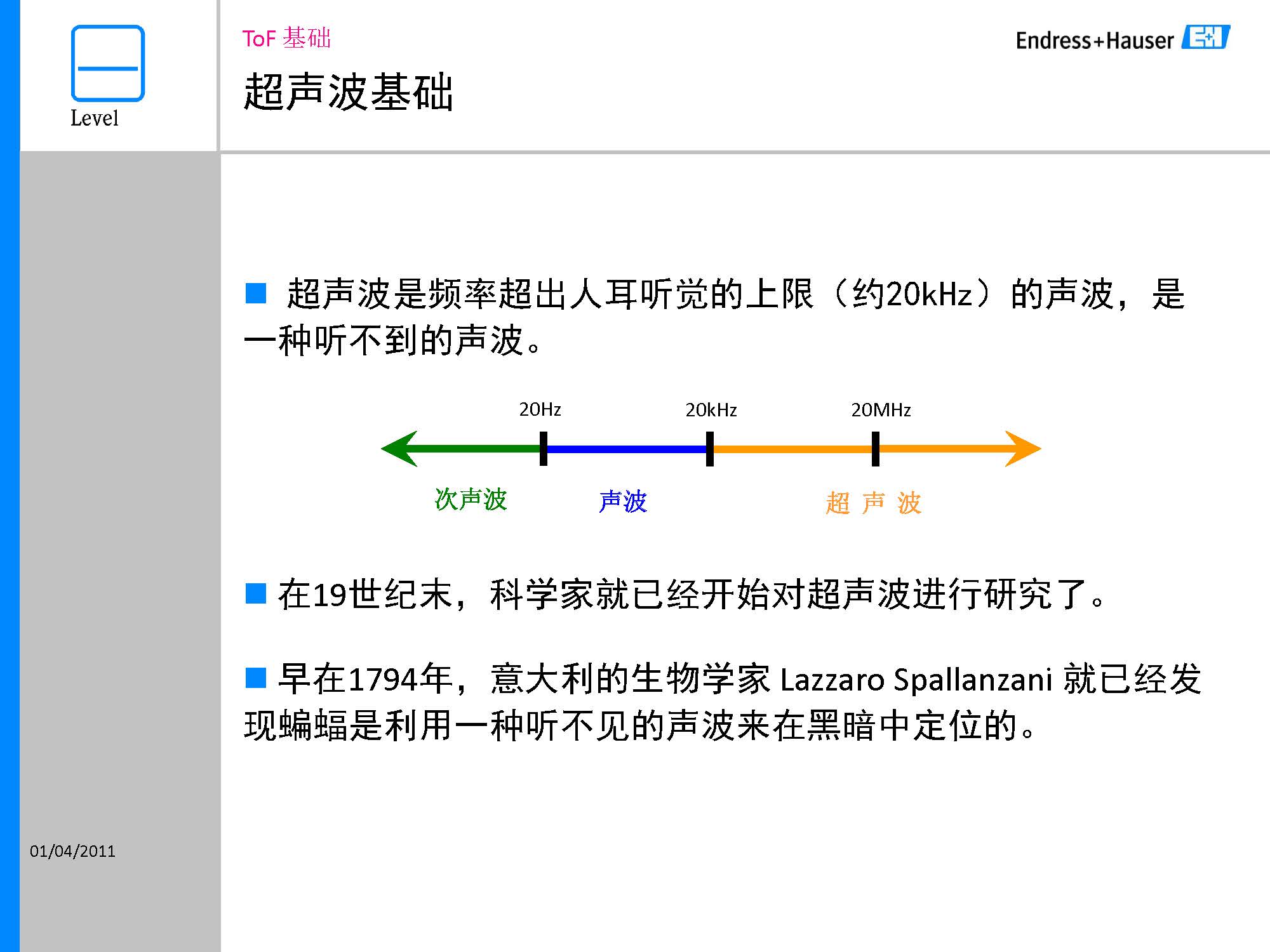
- Ensure the transducer is perpendicular to the liquid surface, with a tilt angle not exceeding 3°.
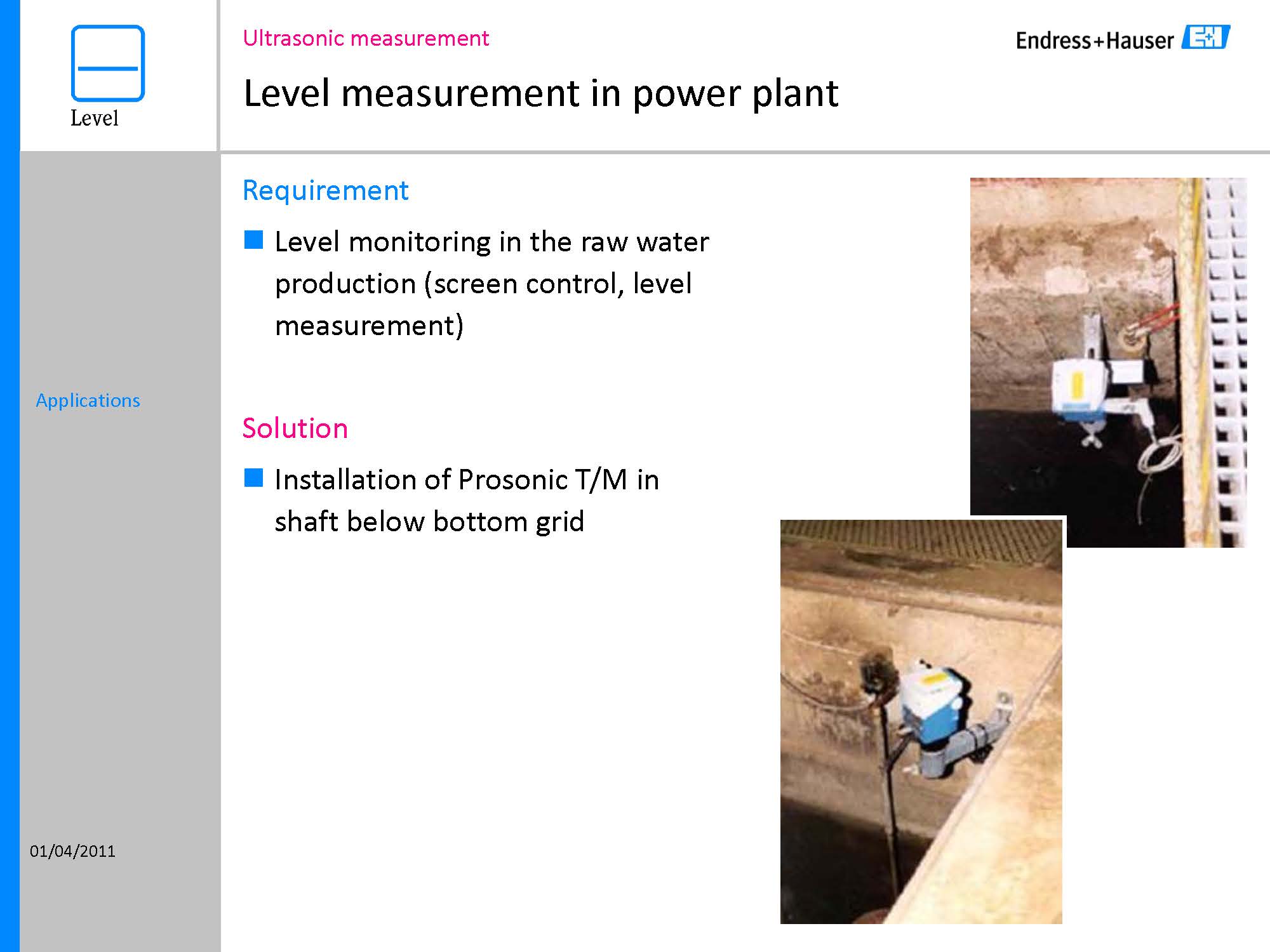
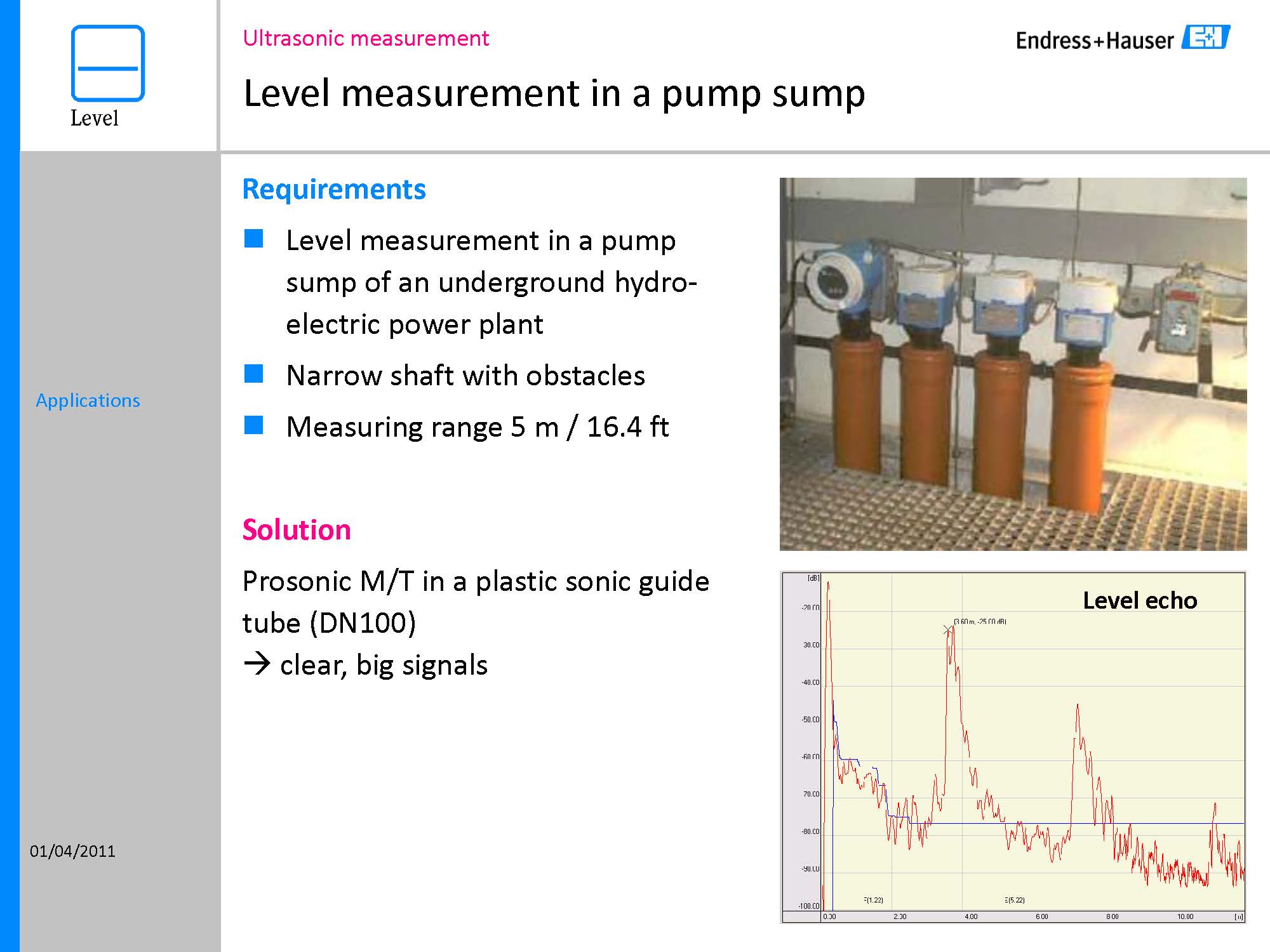
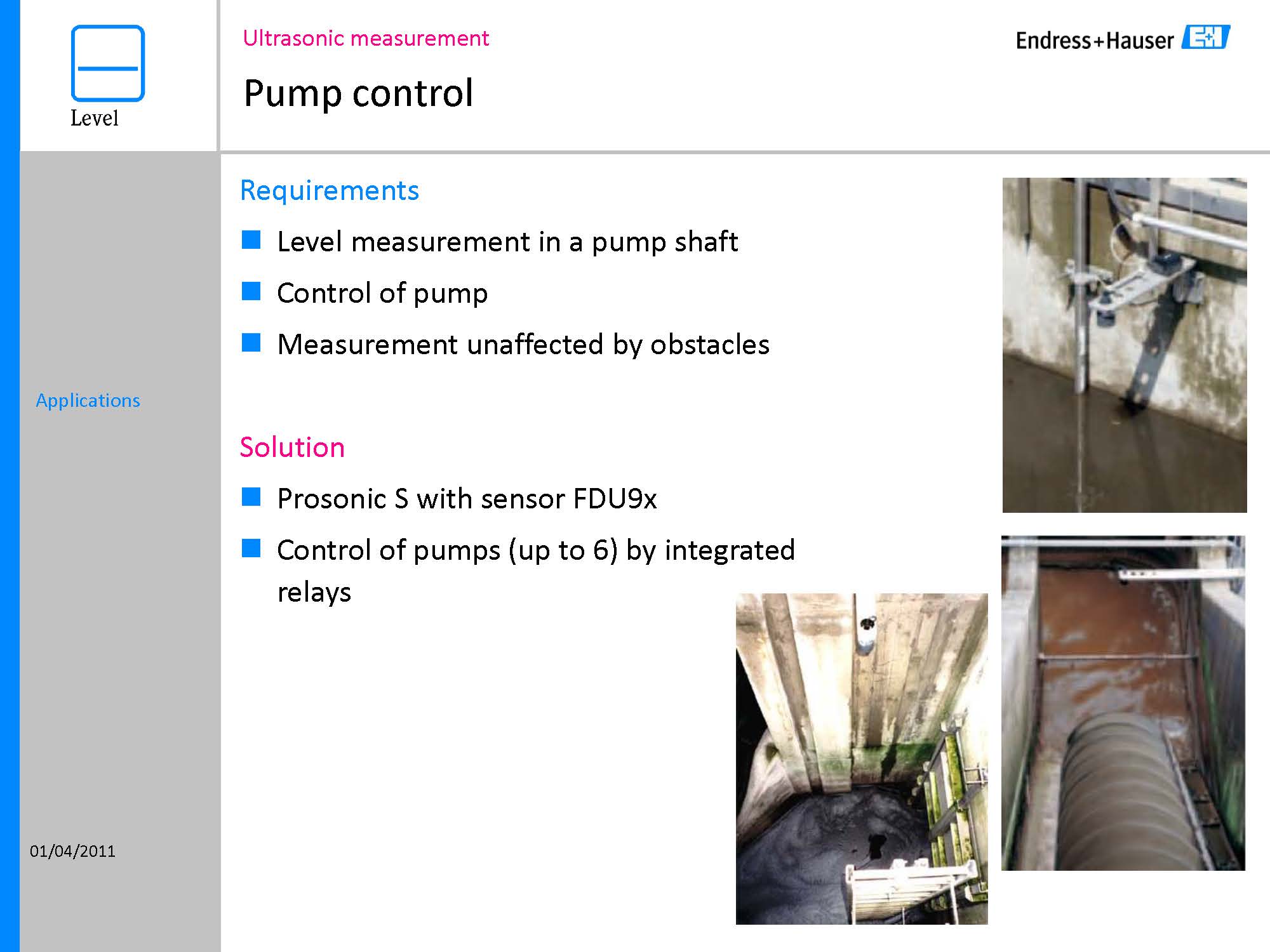
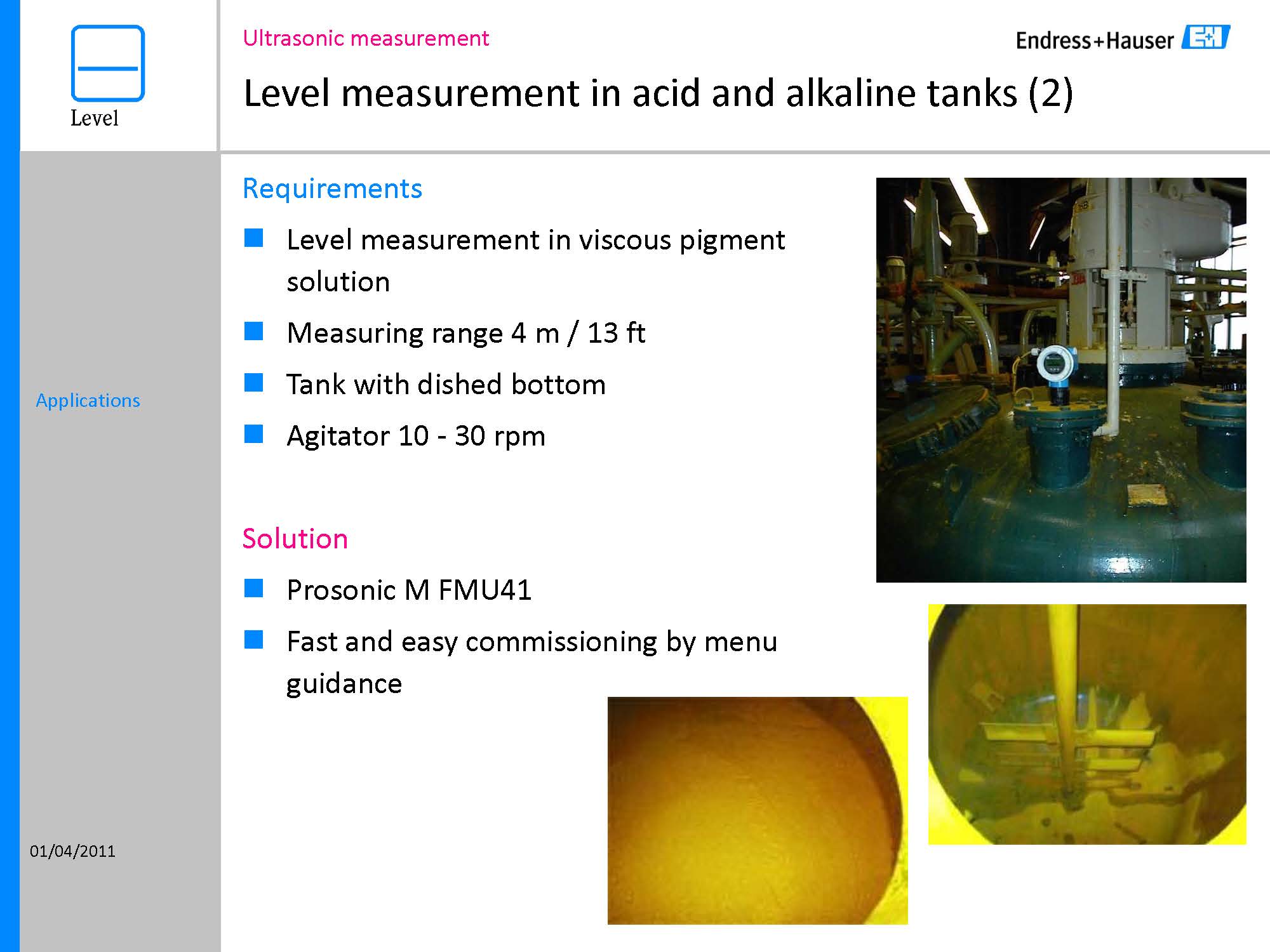
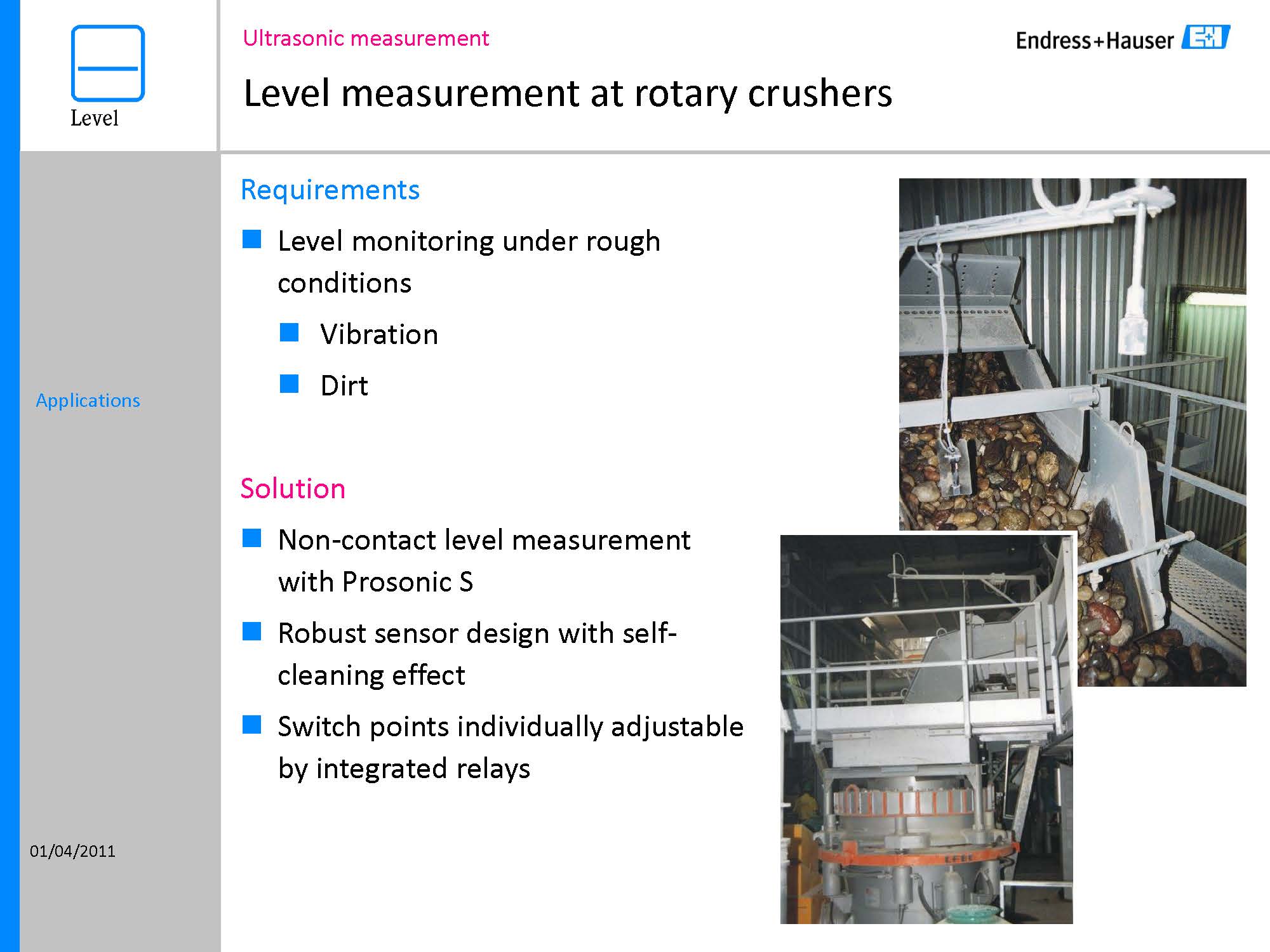
- Avoid installing directly above the feed inlet, agitator, or obstacles.
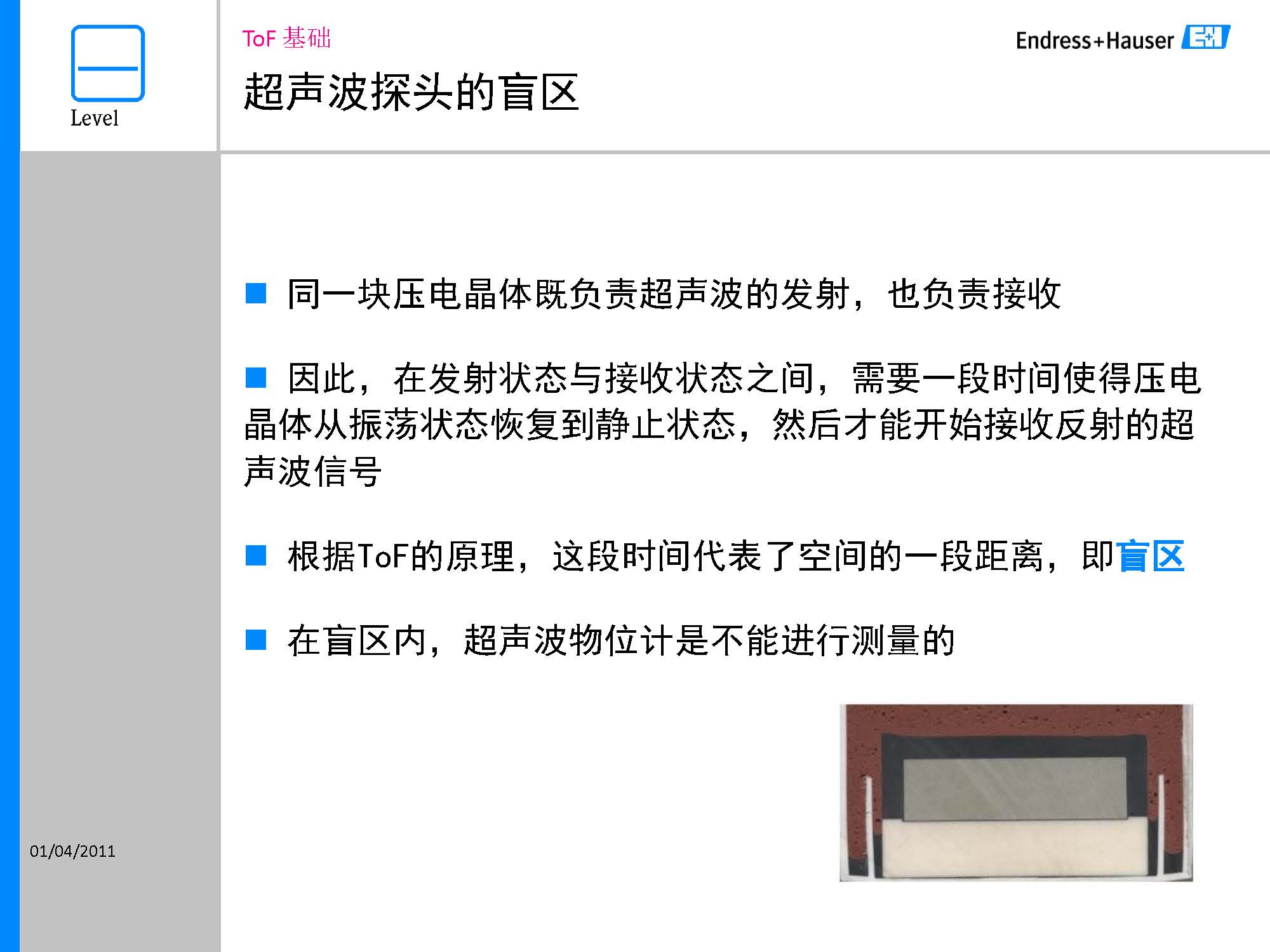
- Reserve sufficient blind zone, usually 0.3~0.5m.
- For outdoor installation, add a sunshade to prevent temperature drift.
Commissioning Steps
Commissioning can be done via the local display unit or HART handheld communicator. The basic process is as follows:
- After power-on, enter the menu, select language and unit.
- Input empty tank height (E) and full tank height (F).
- Set blind zone and output current range.
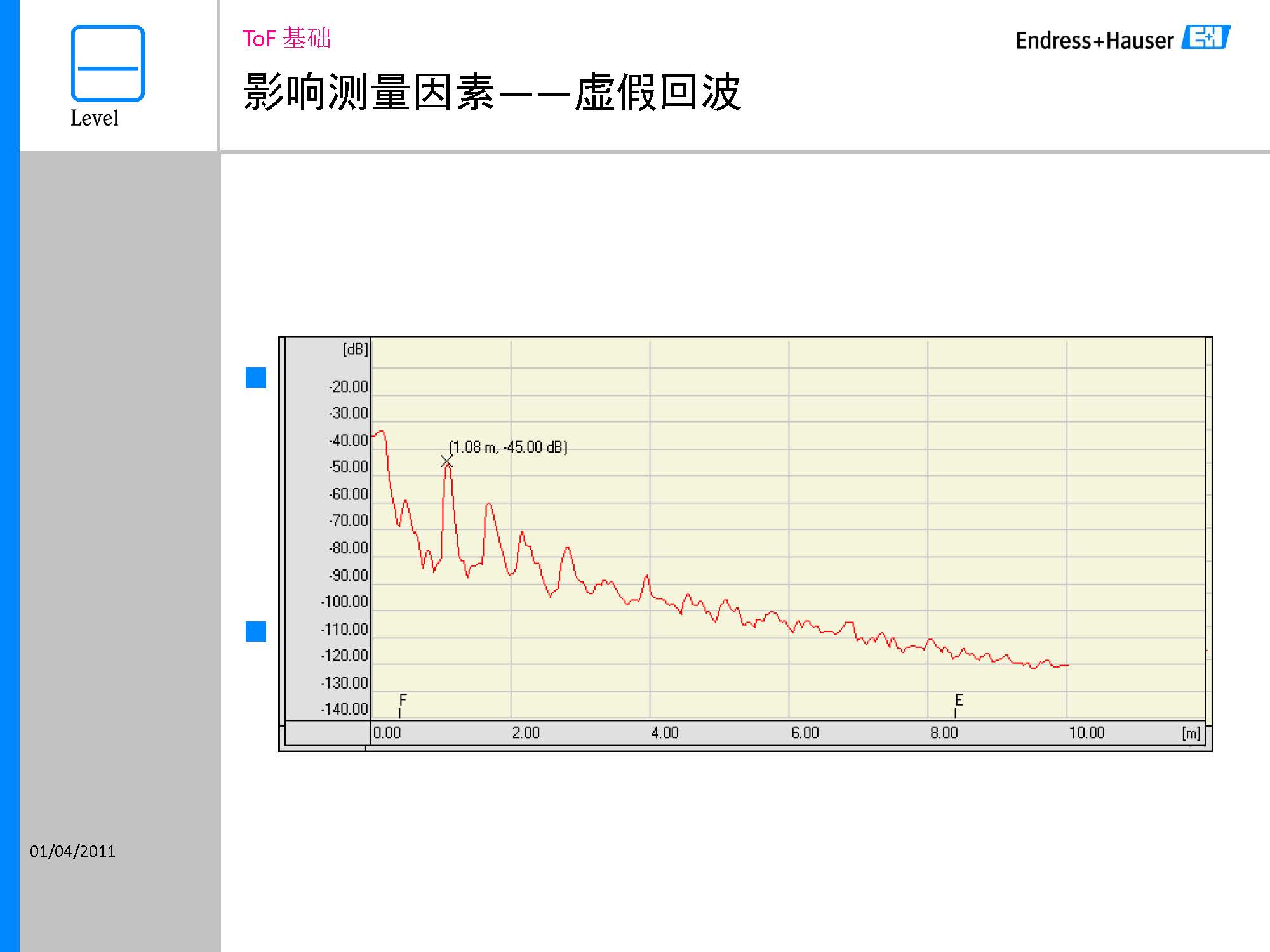
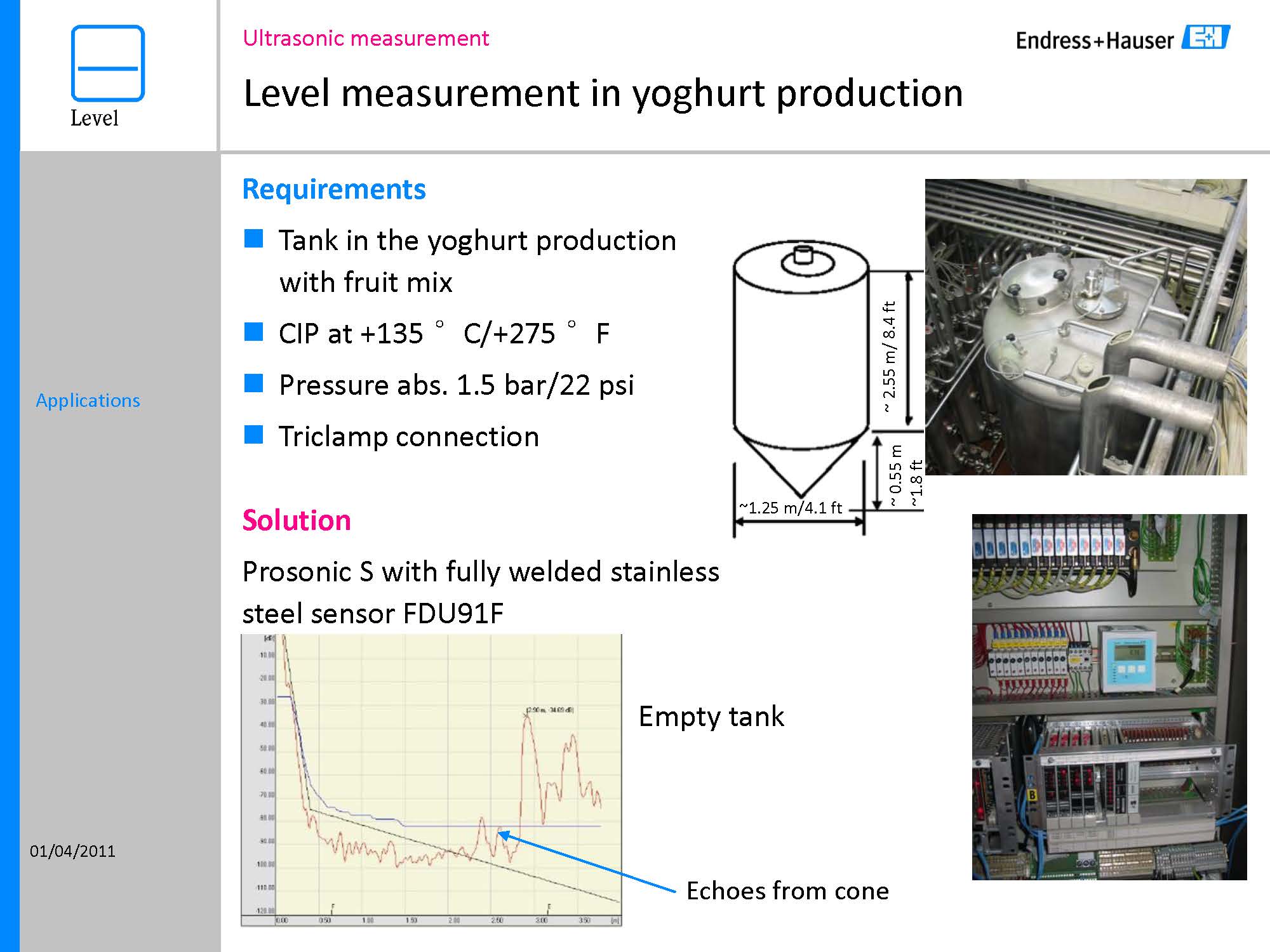
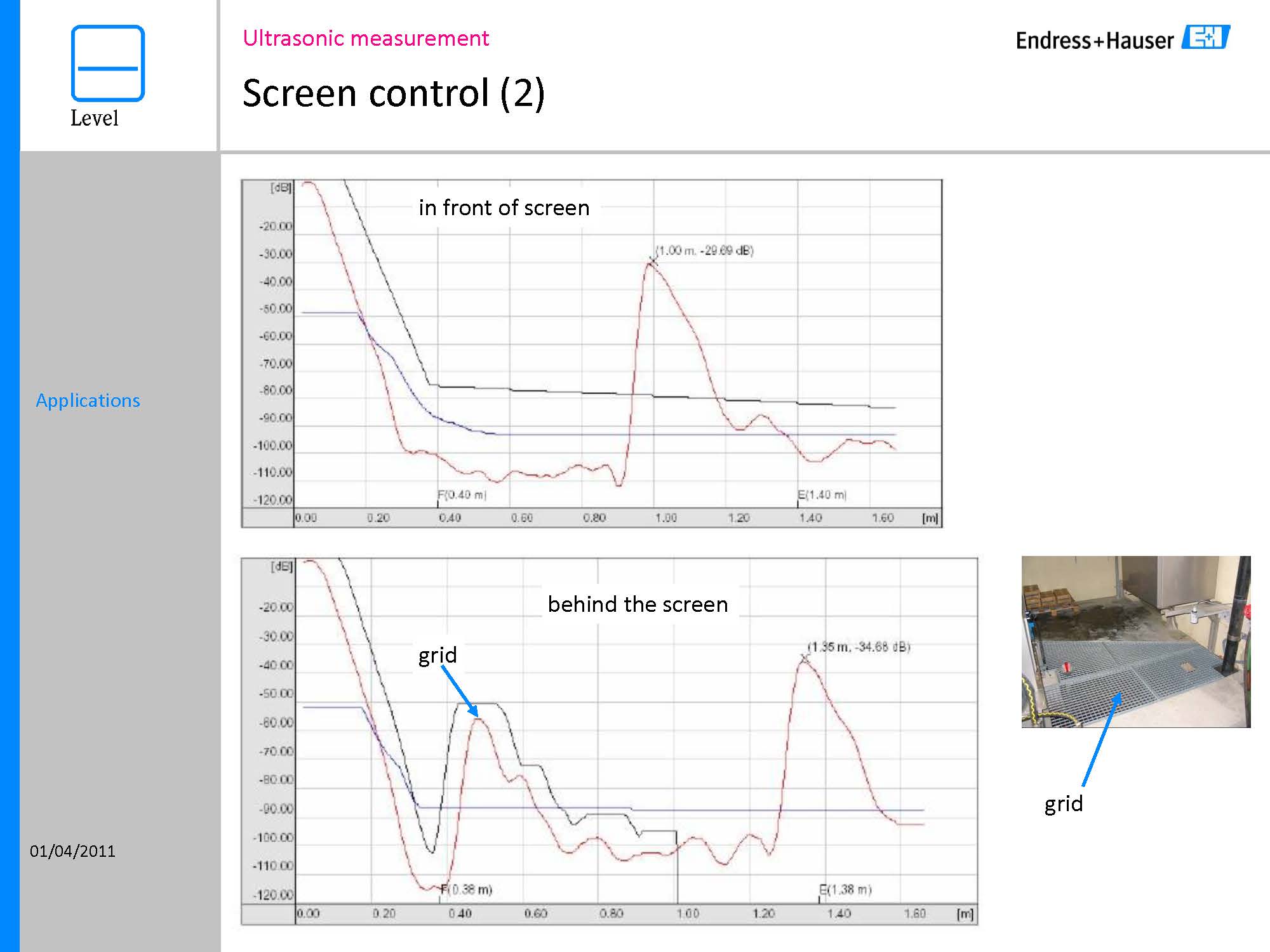
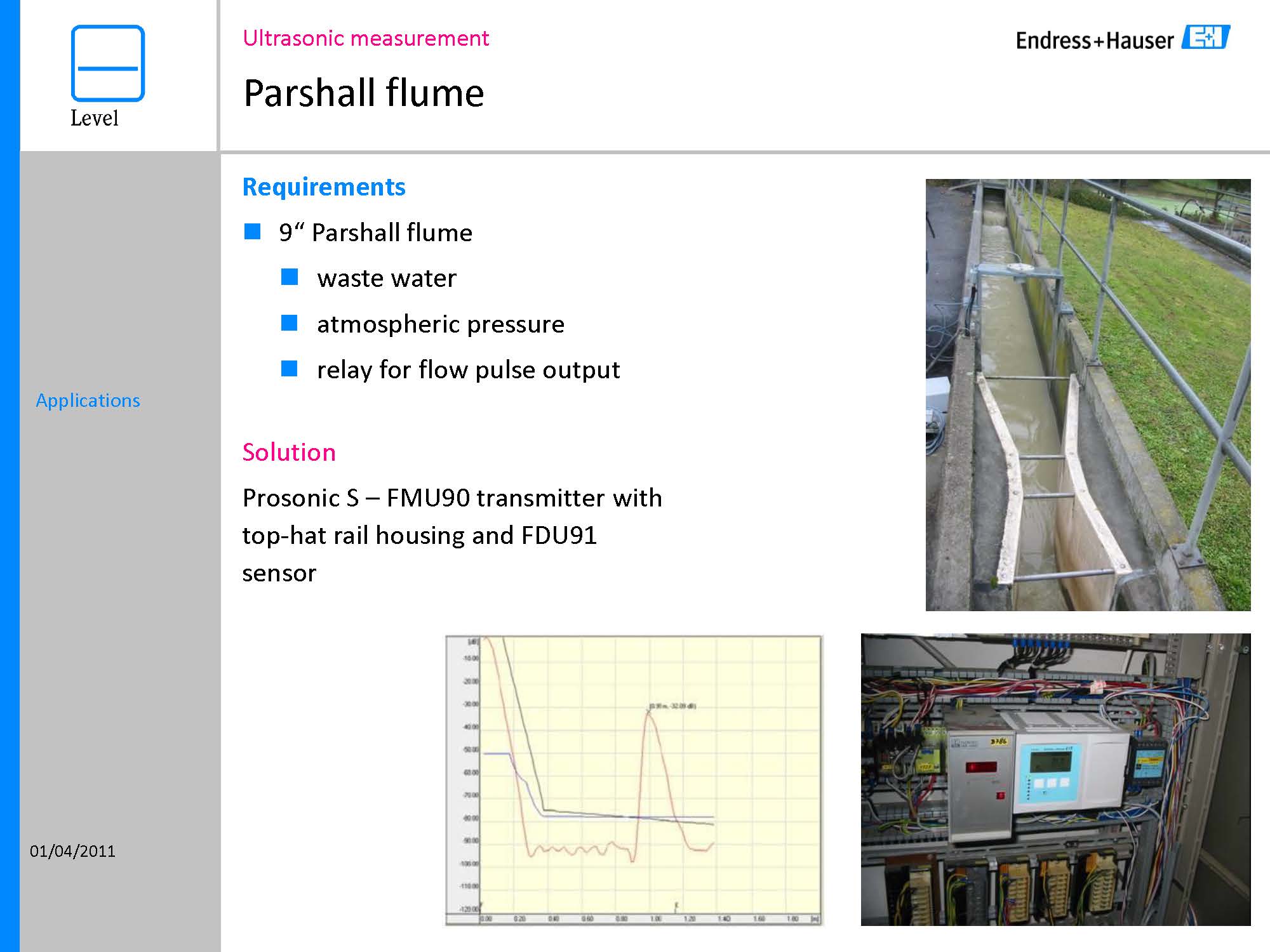
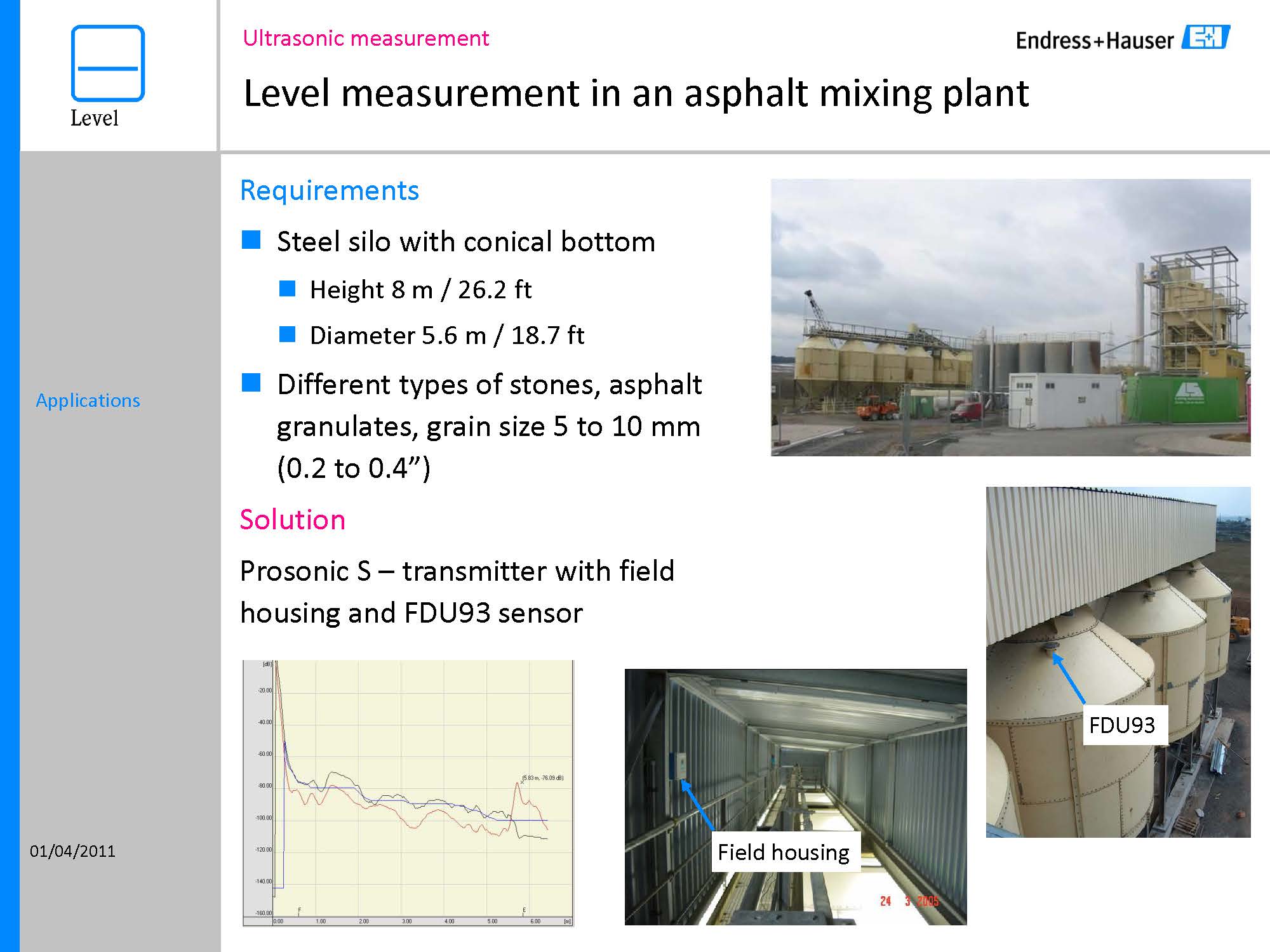
- Perform echo suppression to eliminate false echoes.
- Save parameters and return to measurement mode.
Common Faults and Maintenance
Troubleshooting Table
Common on-site problems are mostly related to installation environment or parameter settings. Refer to the table below for quick diagnosis.
| Symptom | Possible cause | Solution |
|---|---|---|
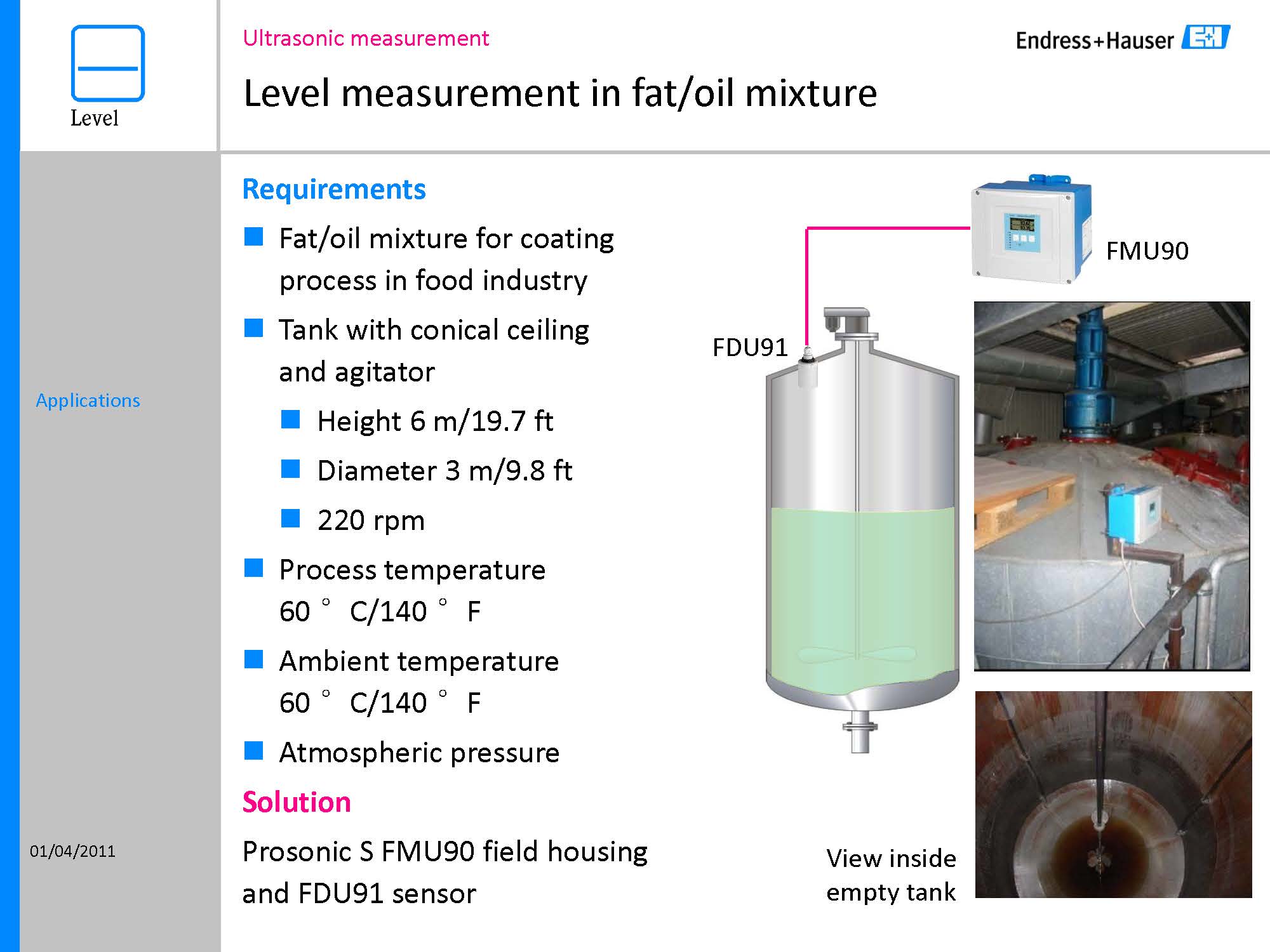
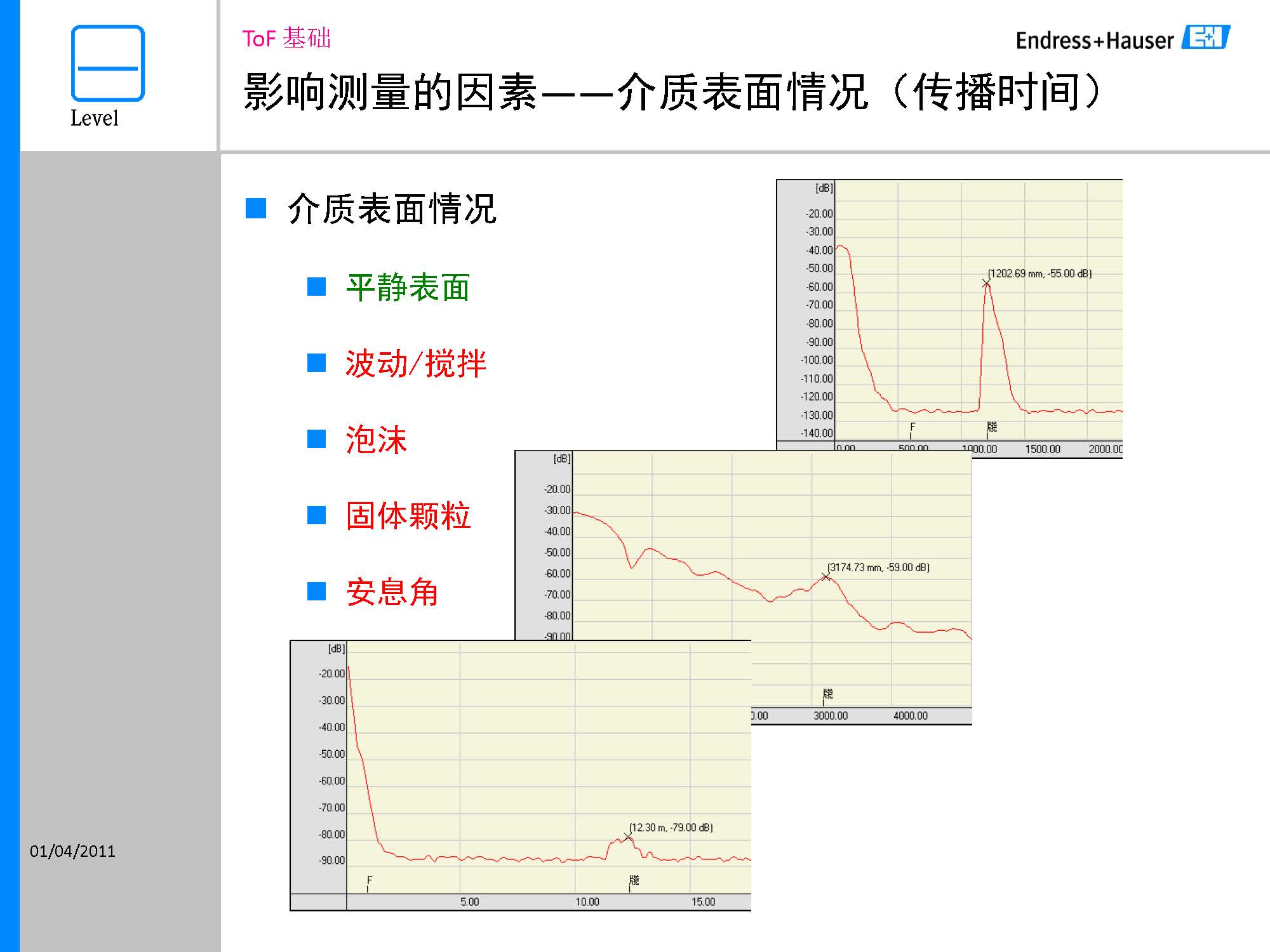
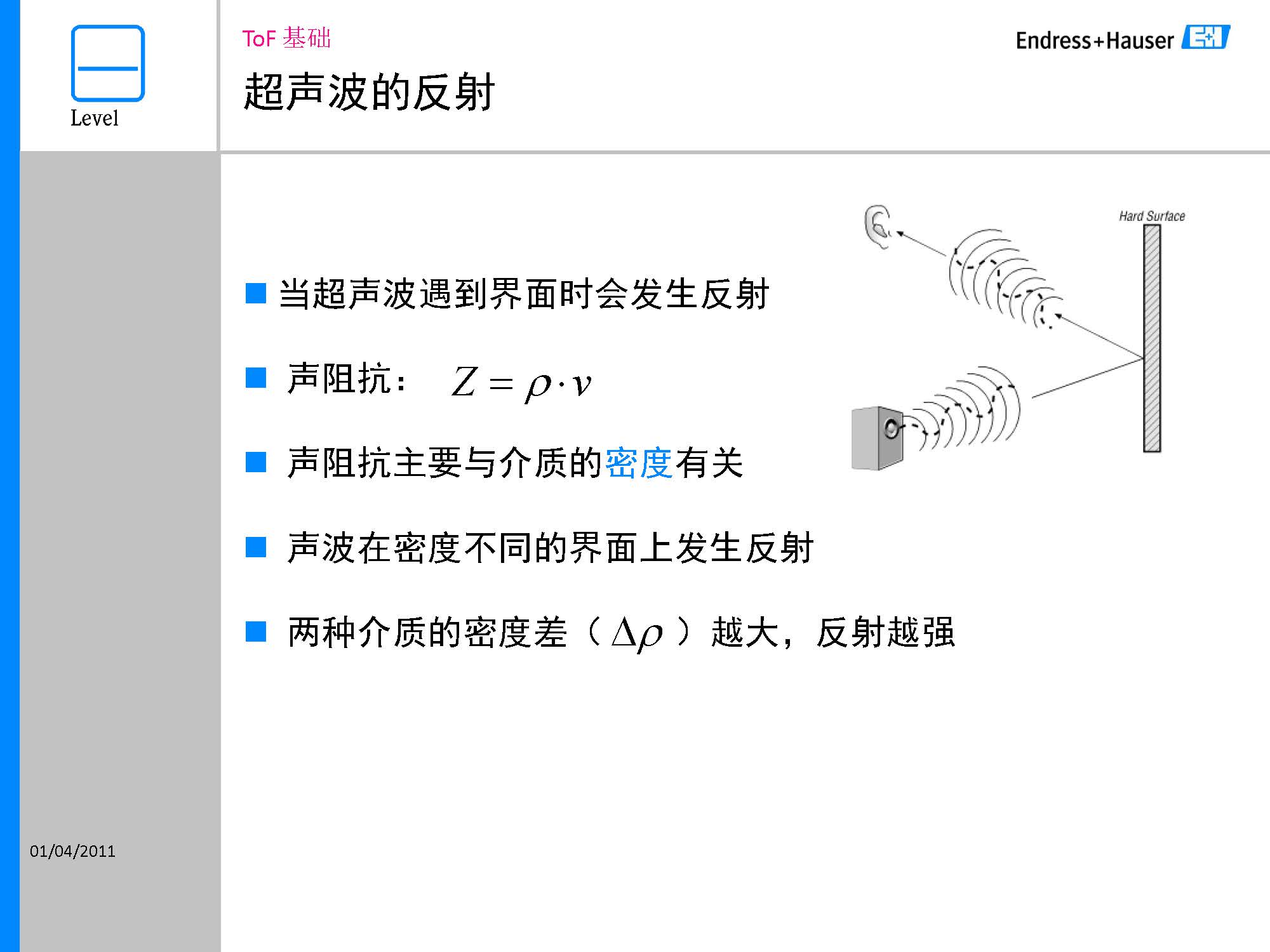
| Large reading fluctuation | Foam or agitation on liquid surface | Enable echo suppression or install a stilling well |
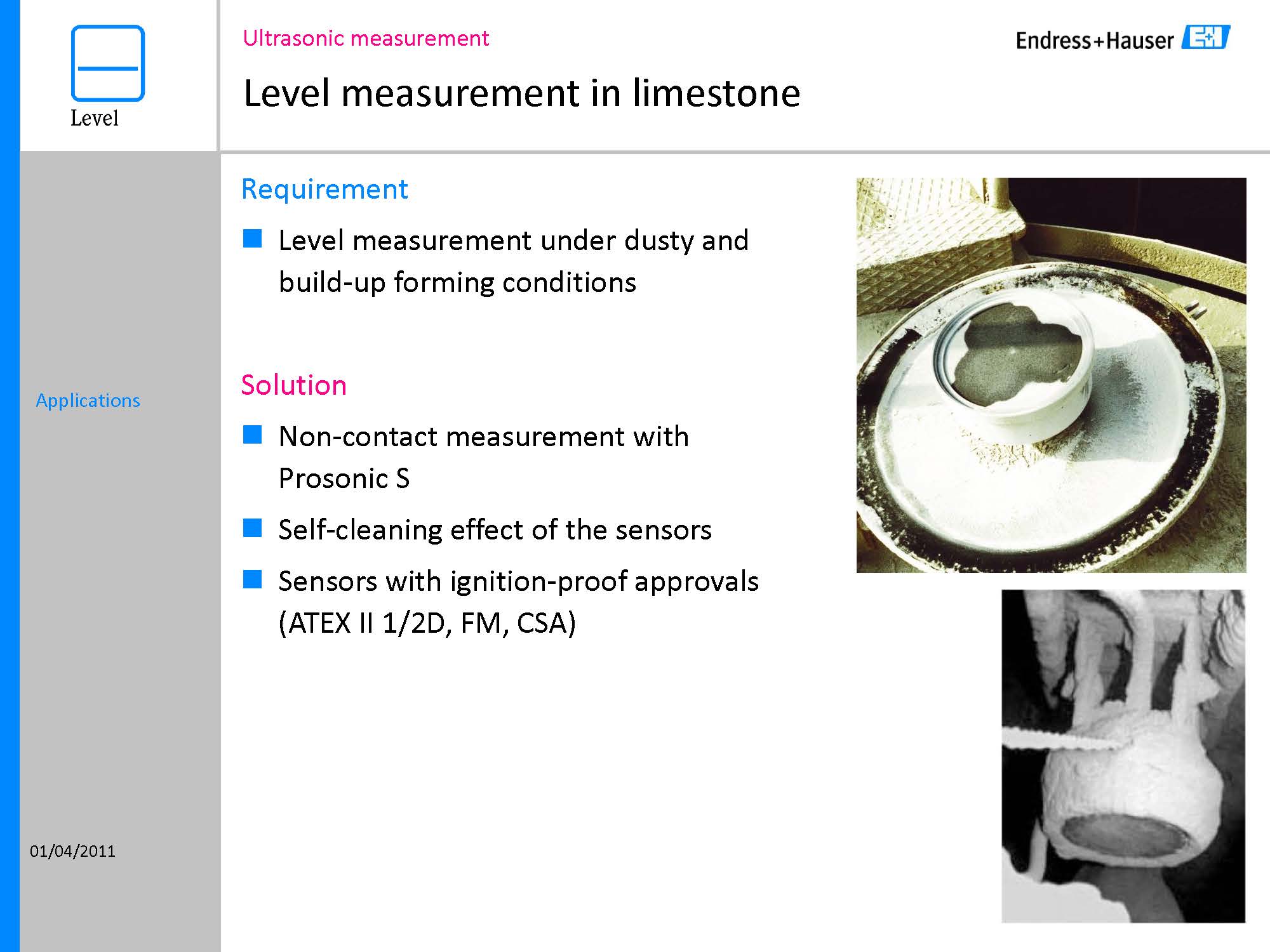
| No echo signal | Scaling on transducer surface | Clean the transducer |
| Low measurement value | Blind zone set too small | Reset the blind zone |
| Abnormal current output | Loose wiring or interference | Check shielding wire grounding |
Daily Maintenance Points
- Regularly check whether the transducer surface is clean, free of scaling or condensation.
- Calibrate the 4-20mA output accuracy quarterly.
- Check cable sealing joints to prevent water ingress.
- Record echo curve for trend analysis.
Industry Applications and Selection Recommendations
Typical Application Scenarios
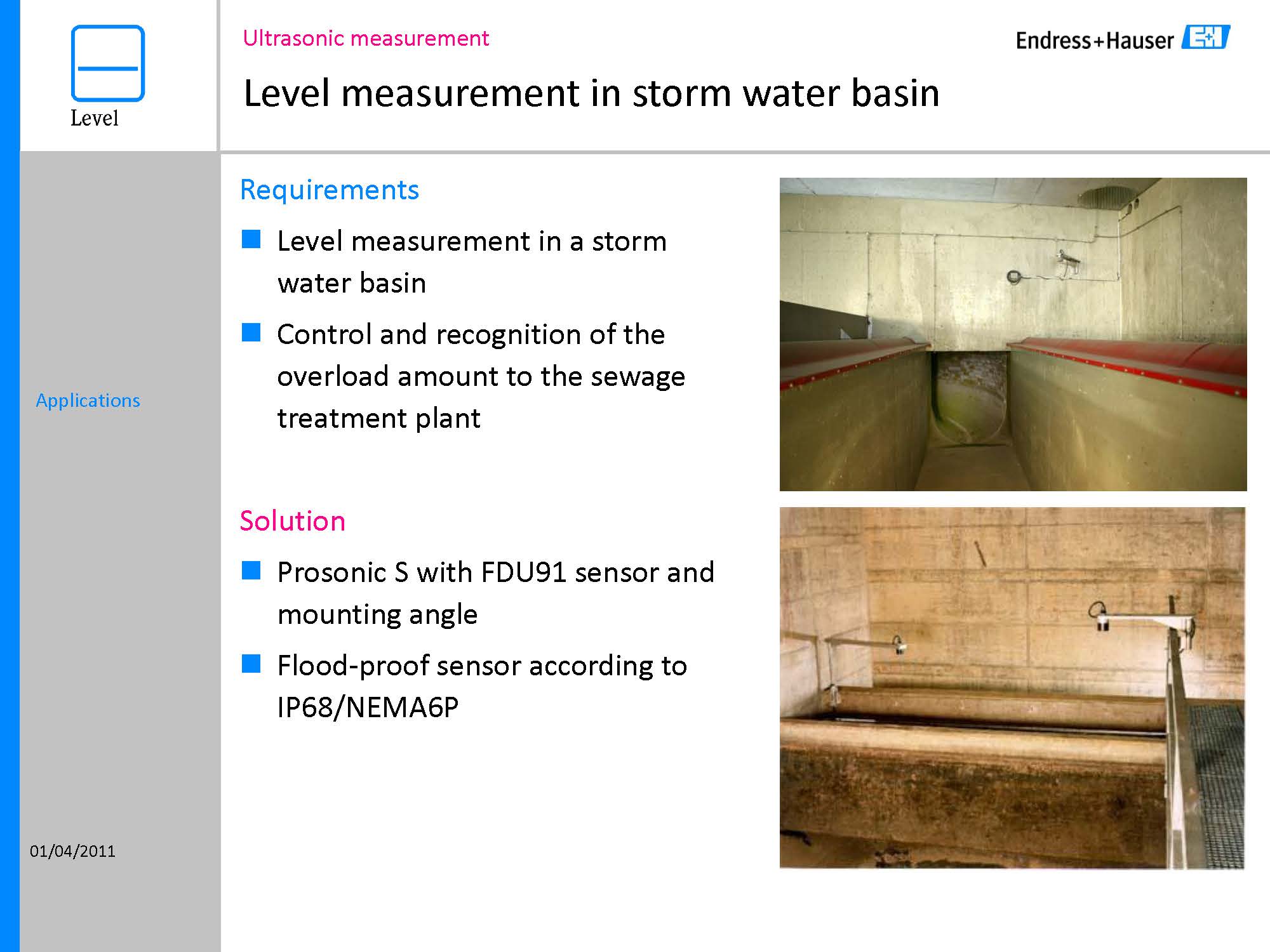
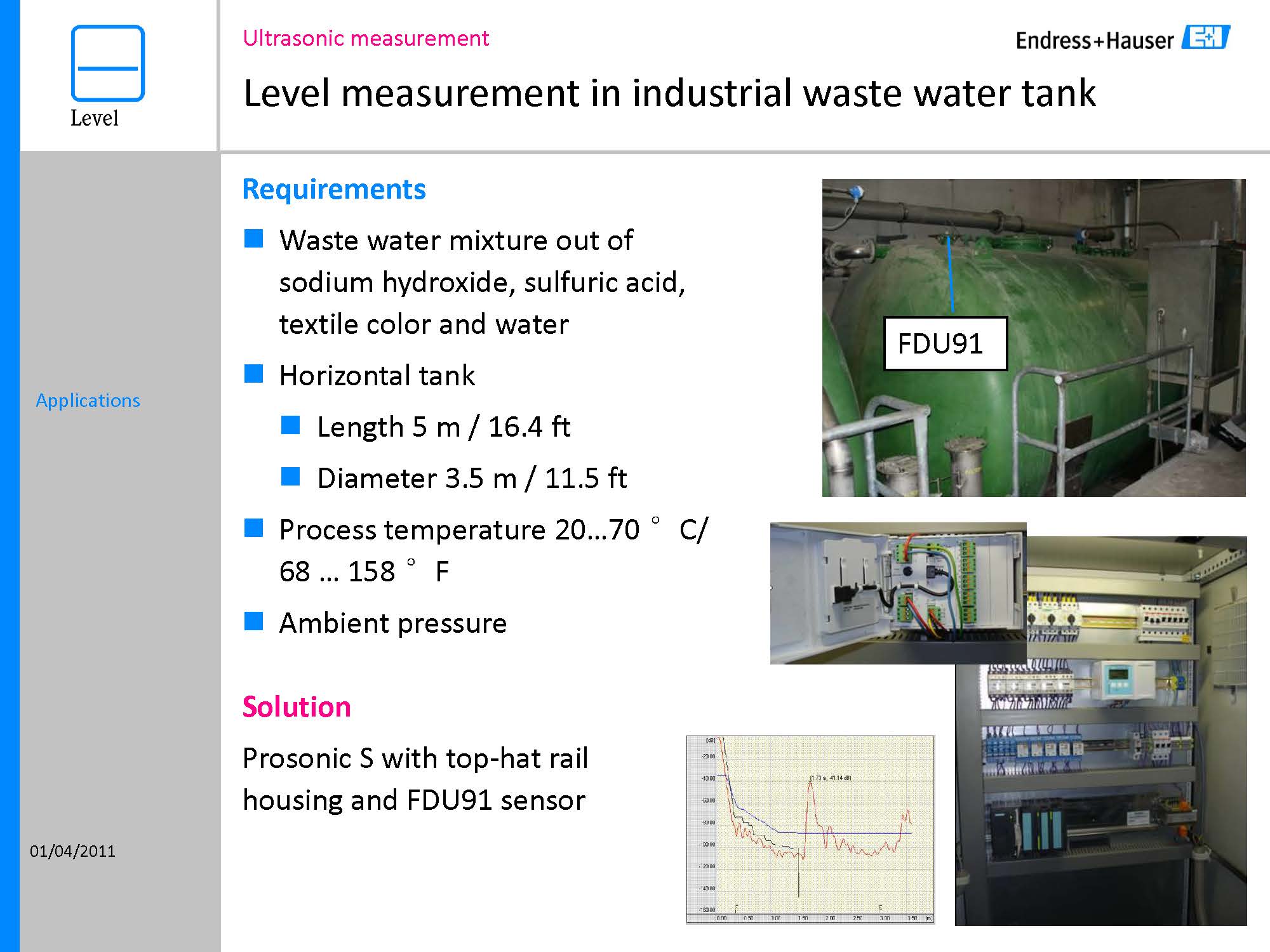
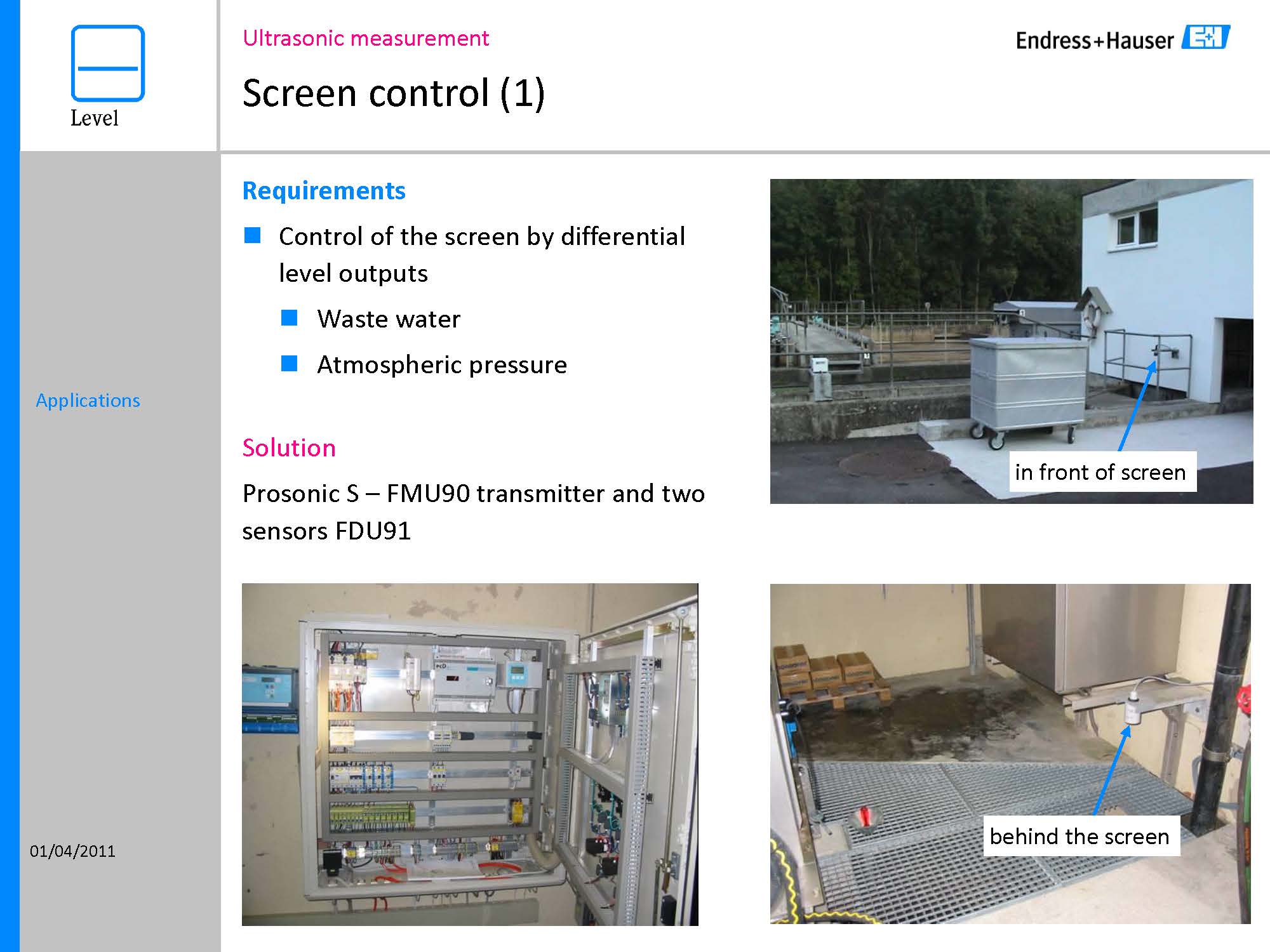
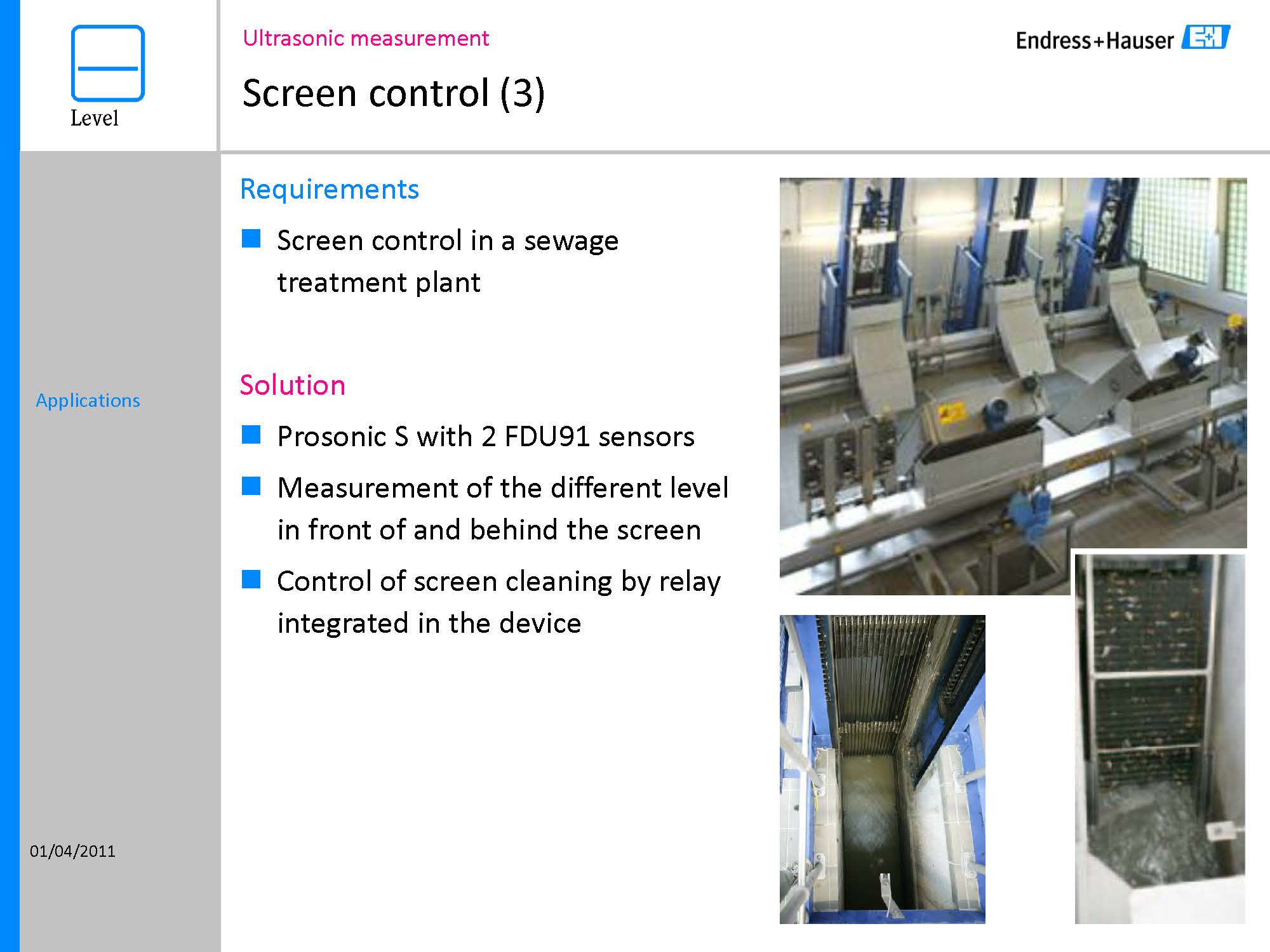
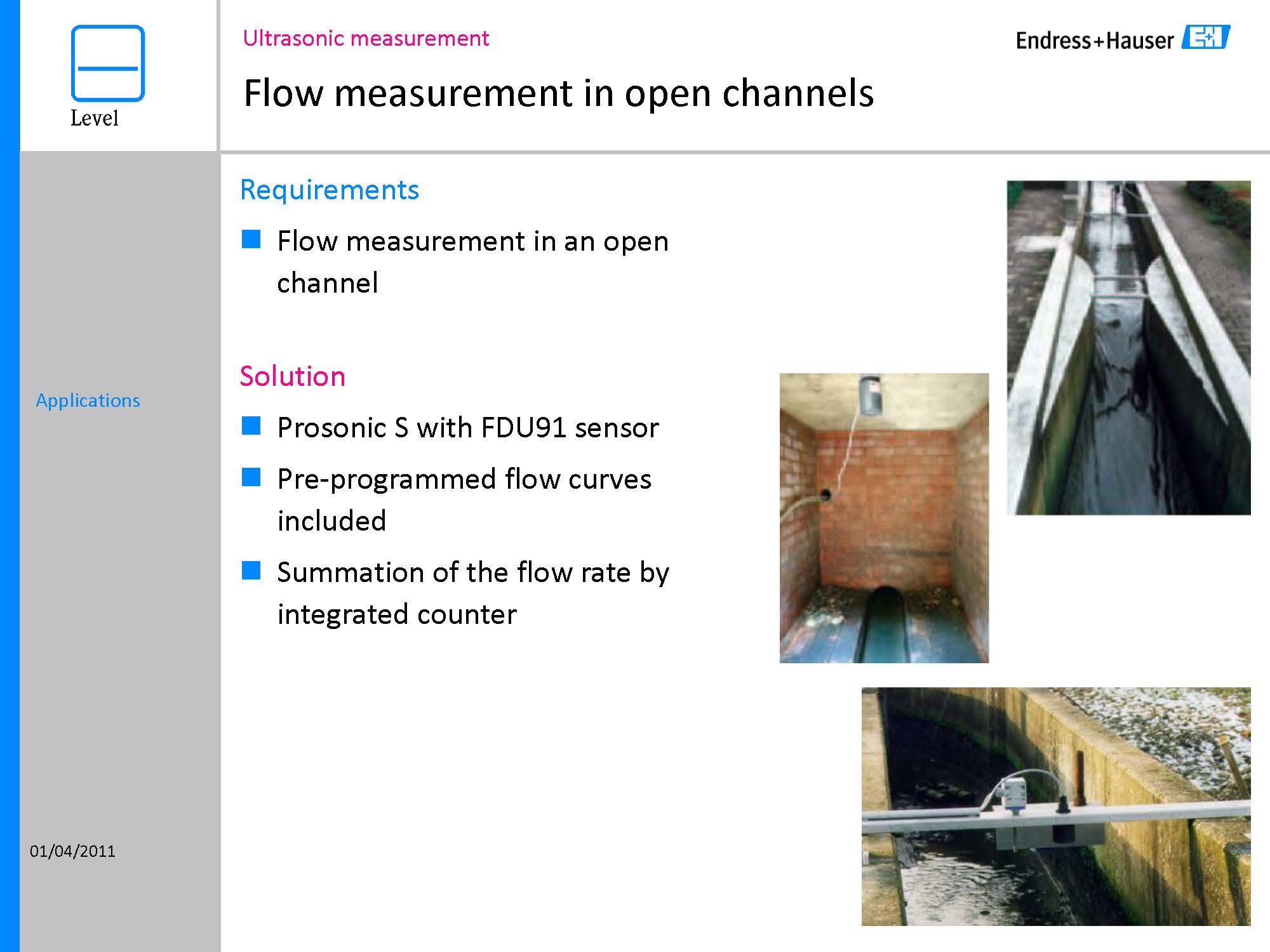
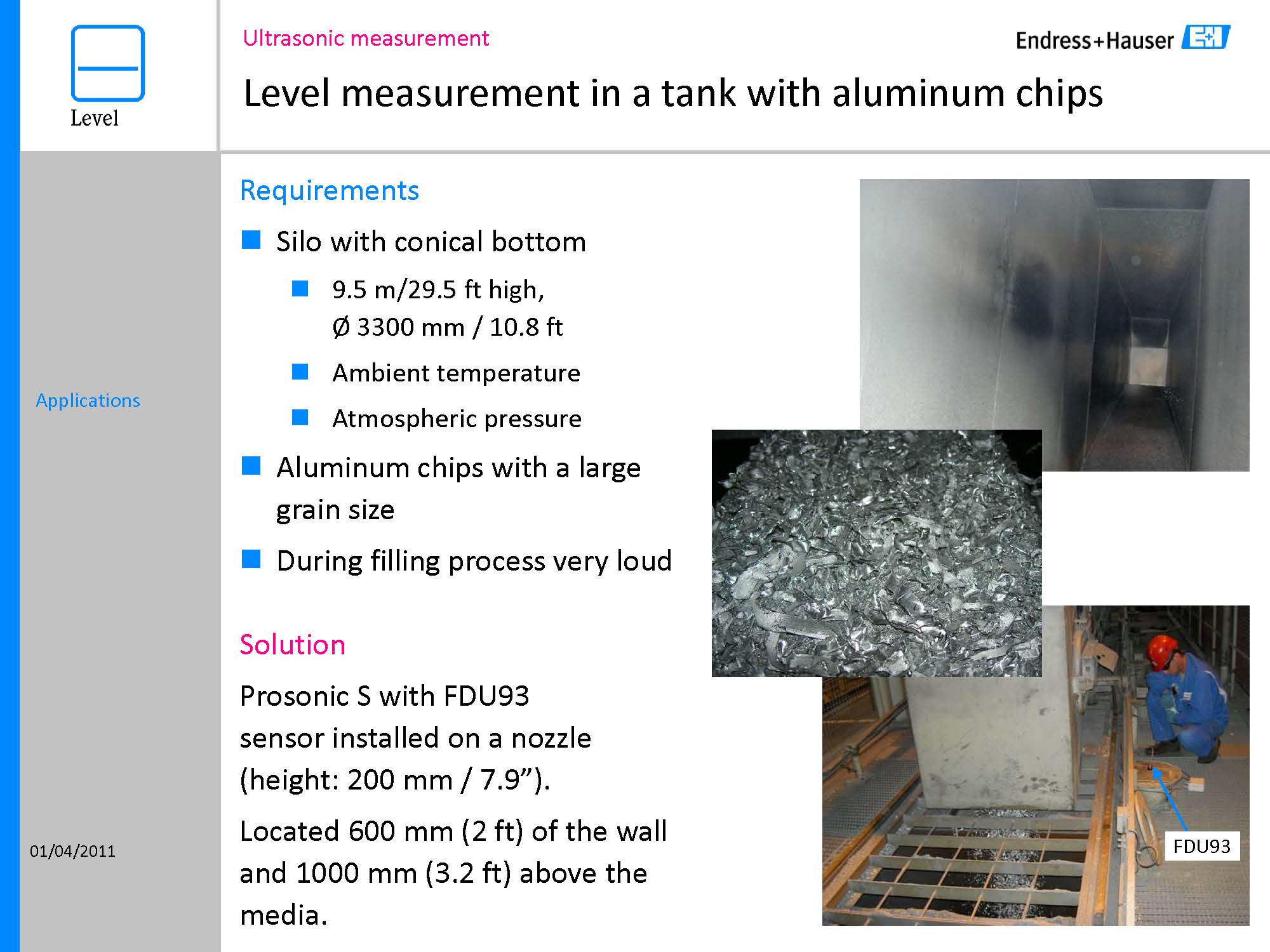
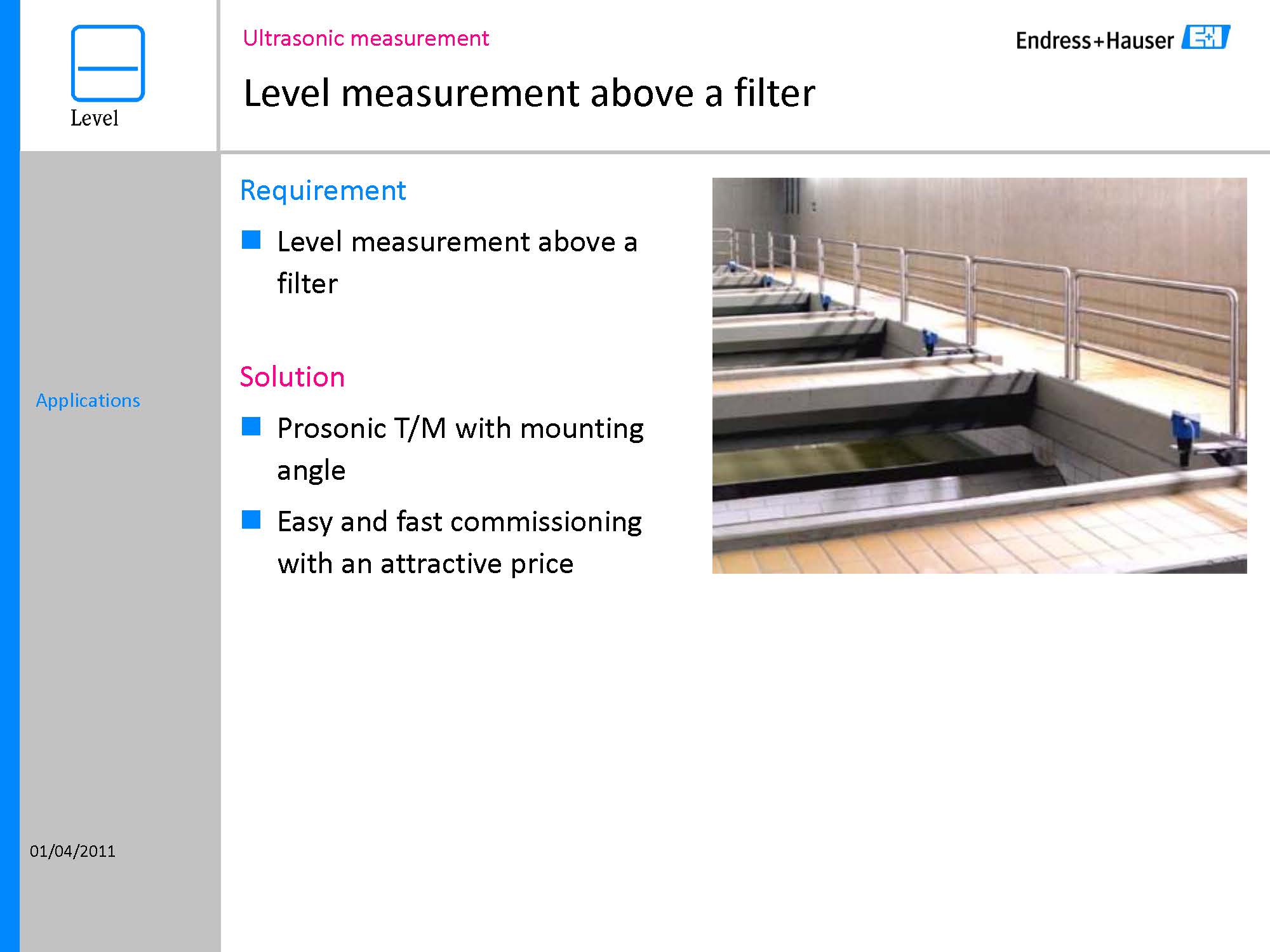
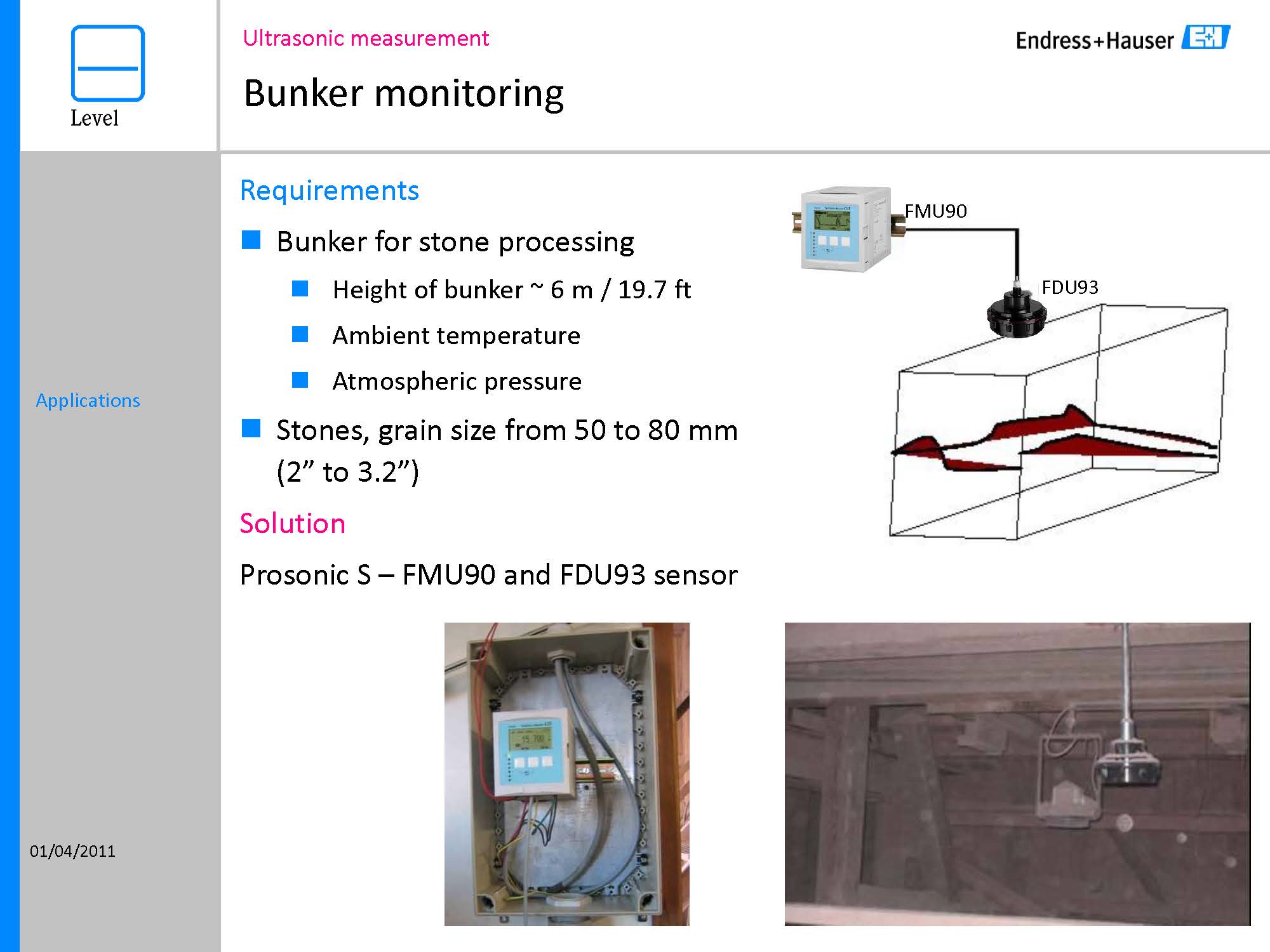
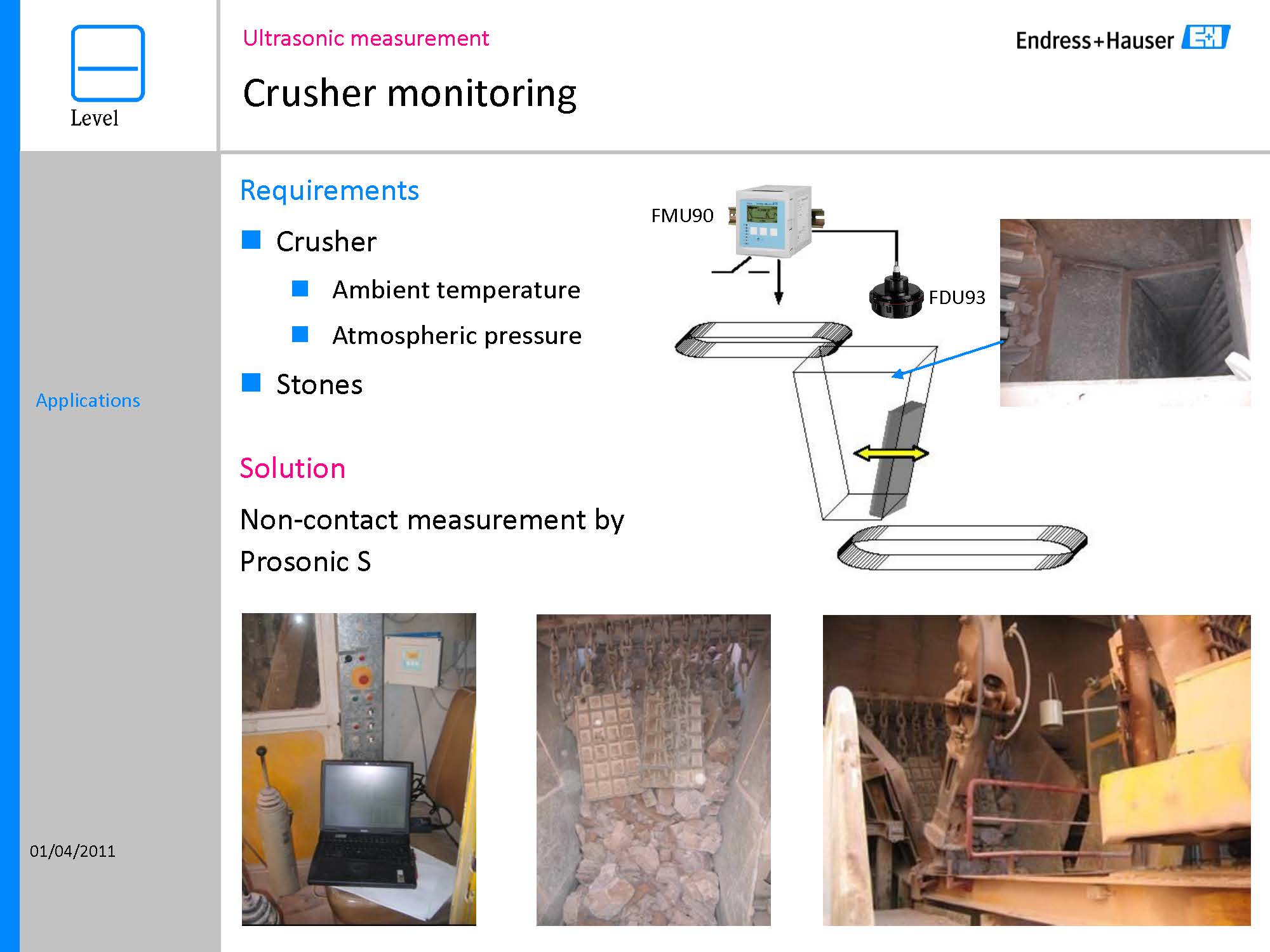
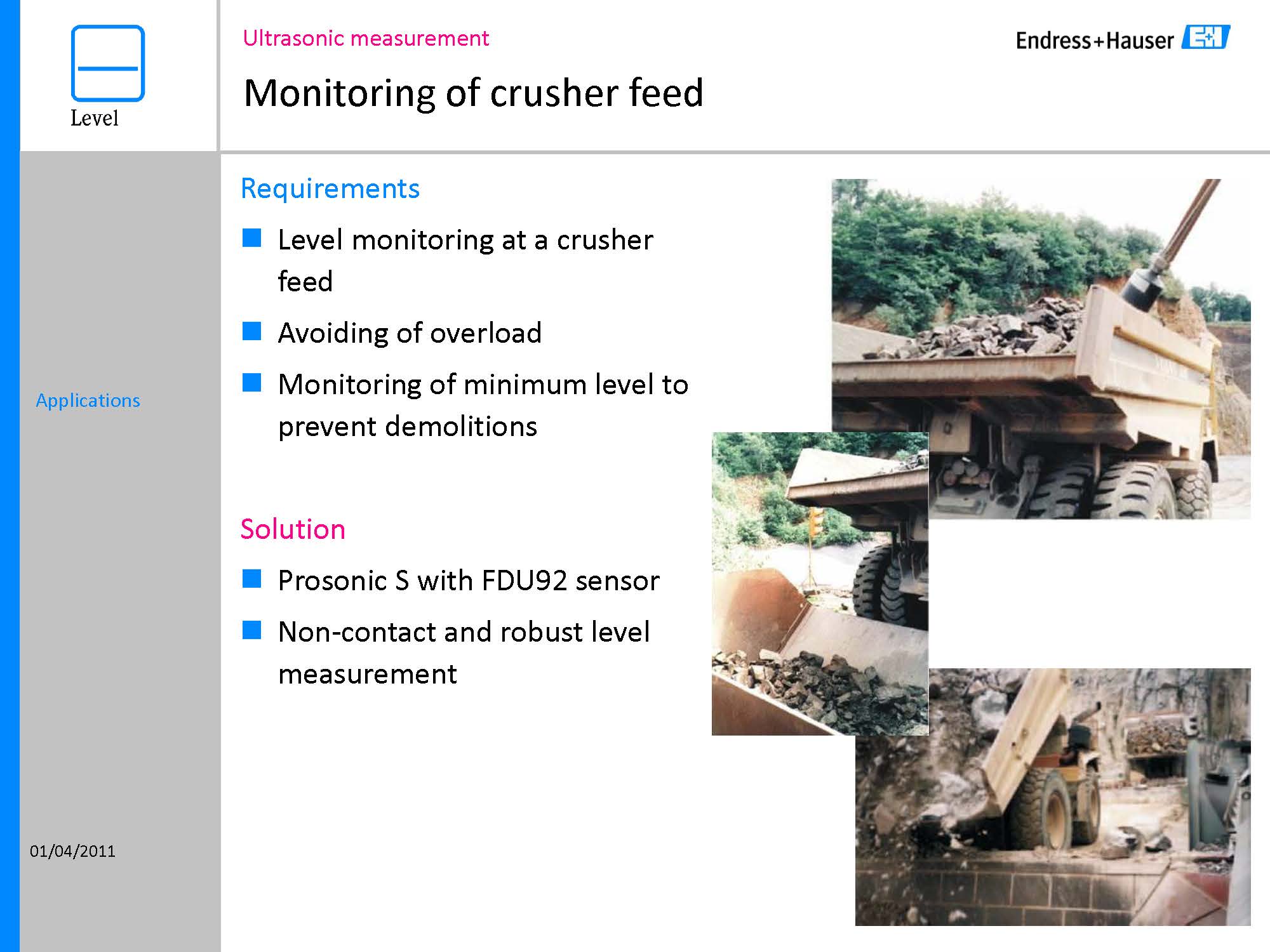
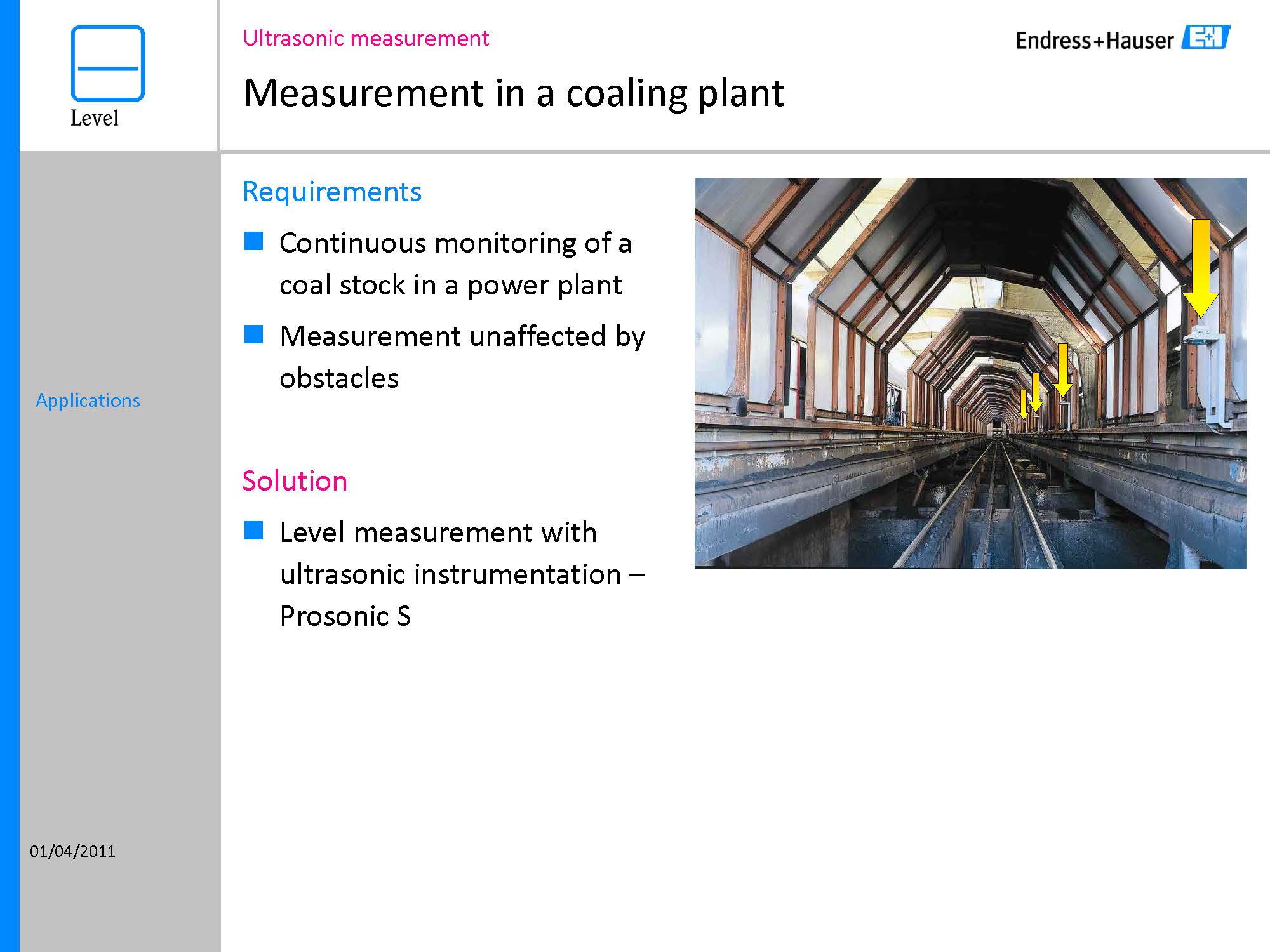
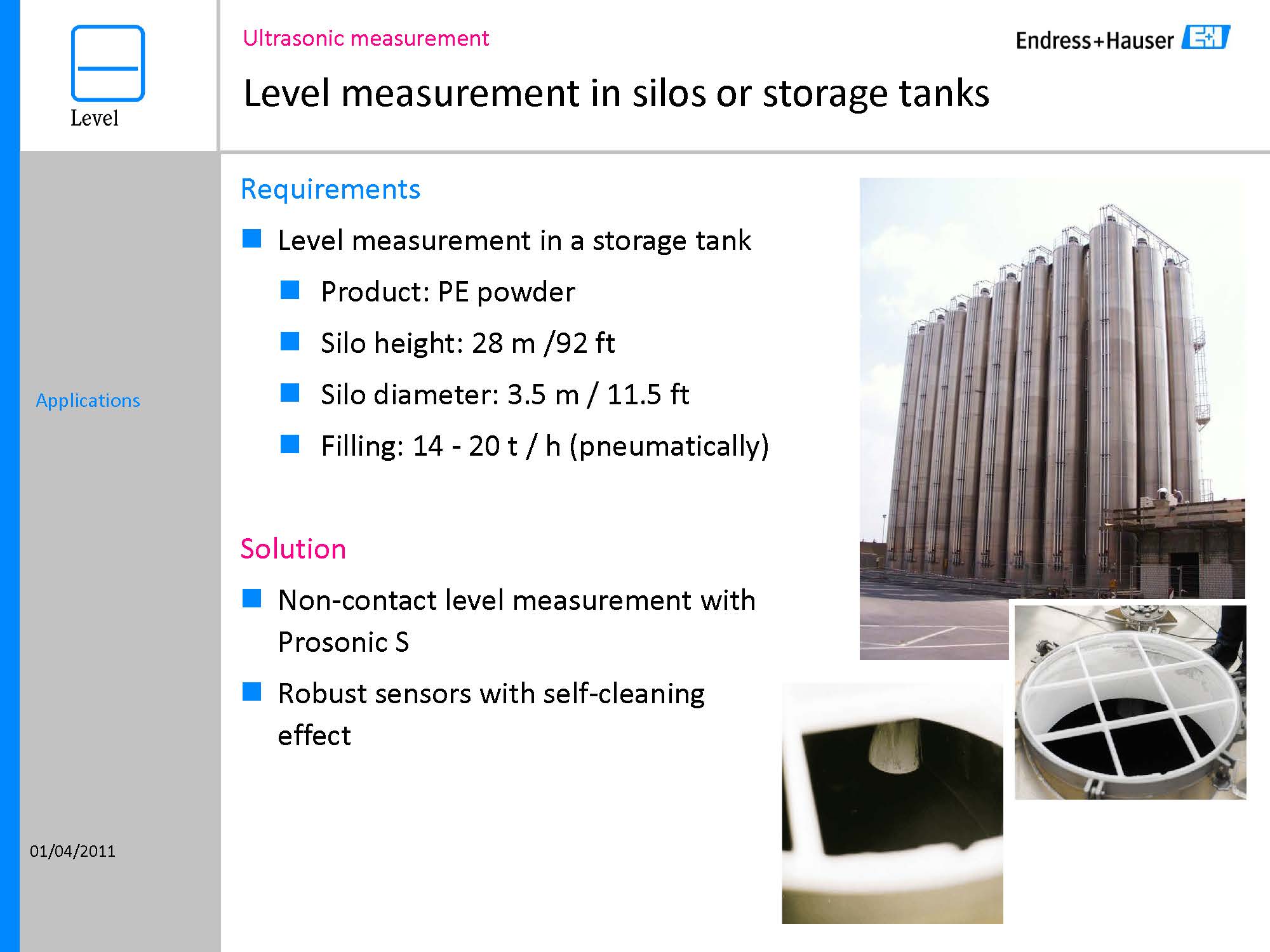
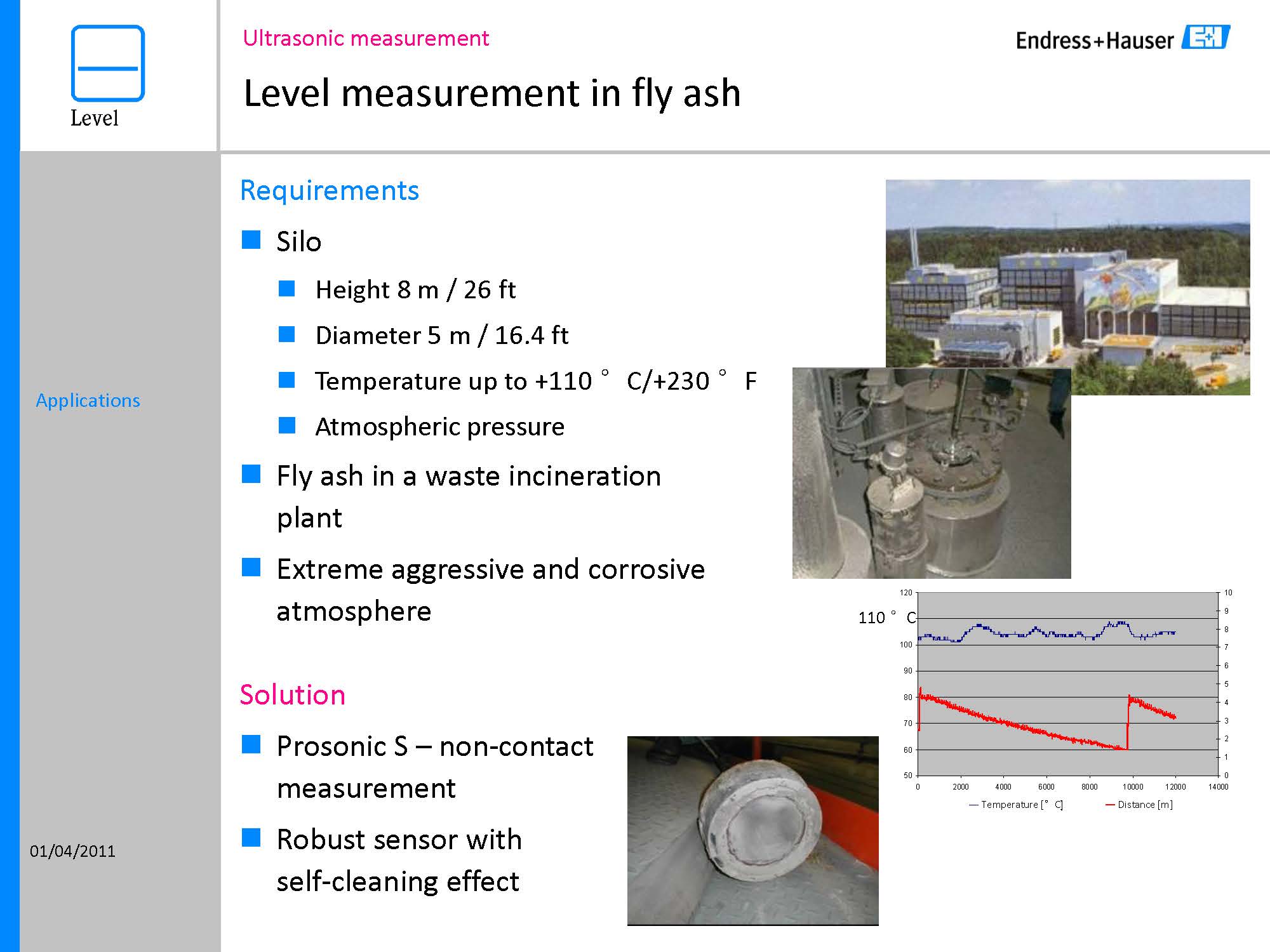
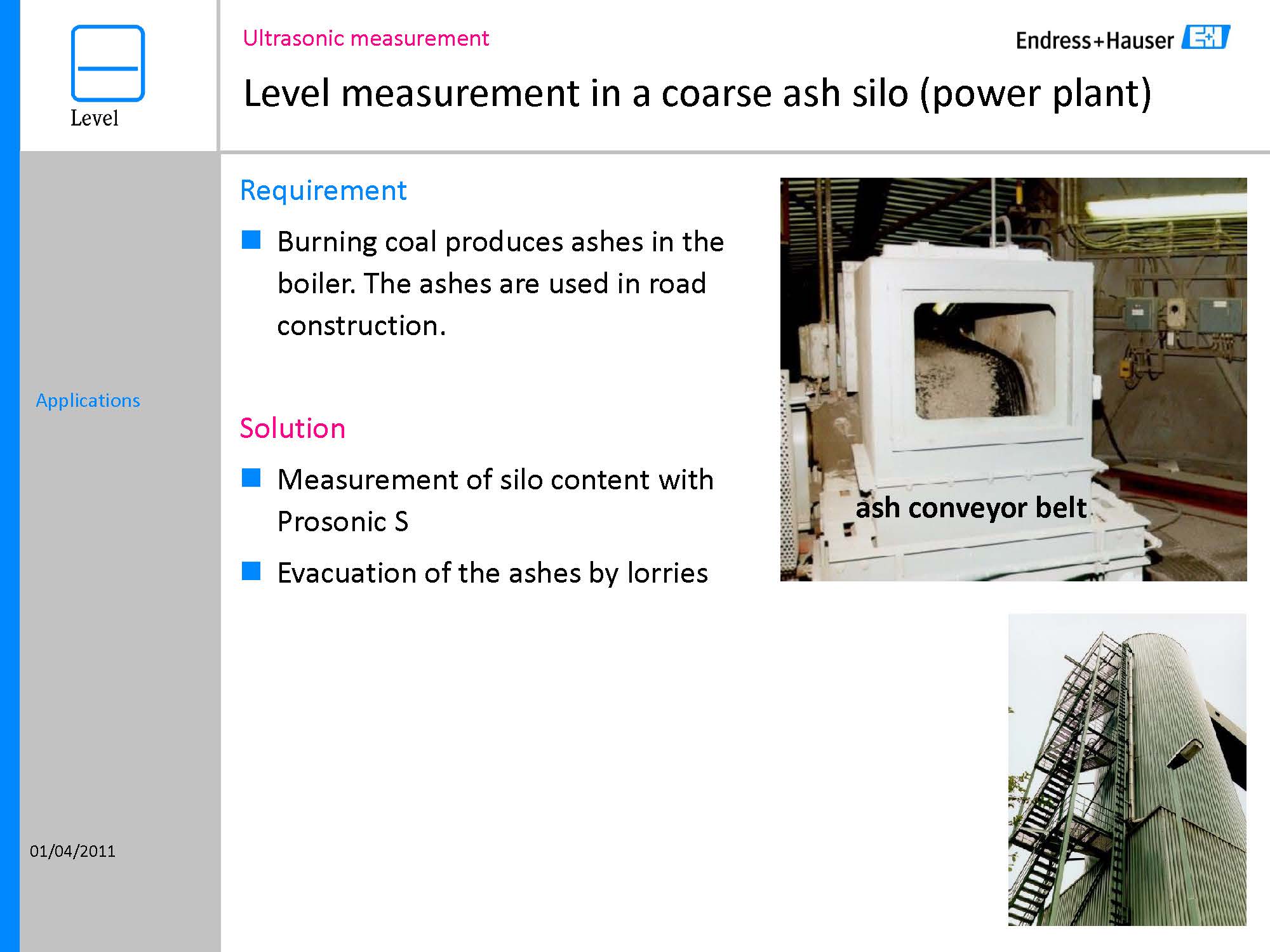
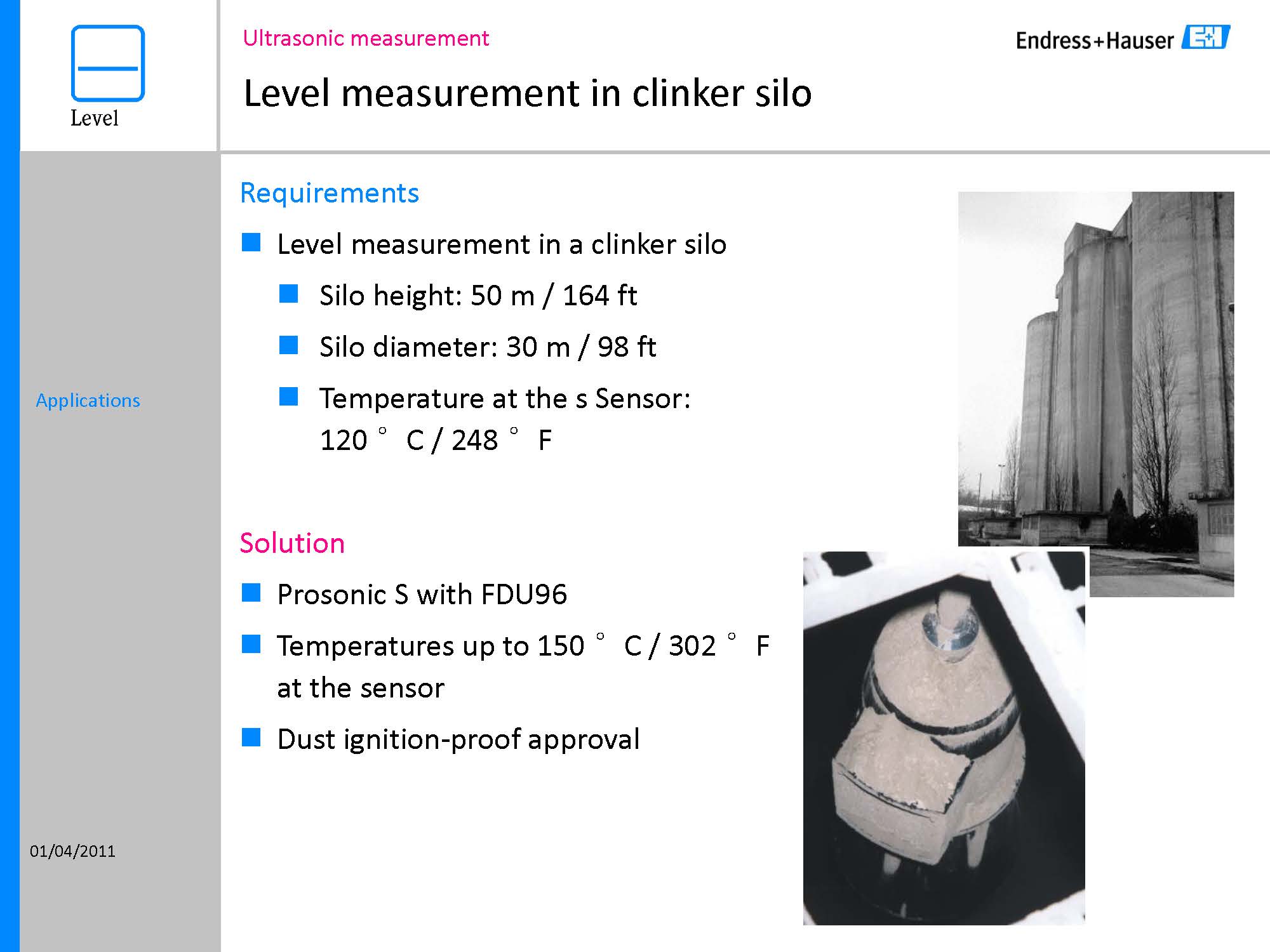
E+H ultrasonic level meters are widely used in water treatment, chemical storage tanks, food and beverage, and pharmaceutical industries. Different working conditions have different requirements for instrument materials and protection levels.
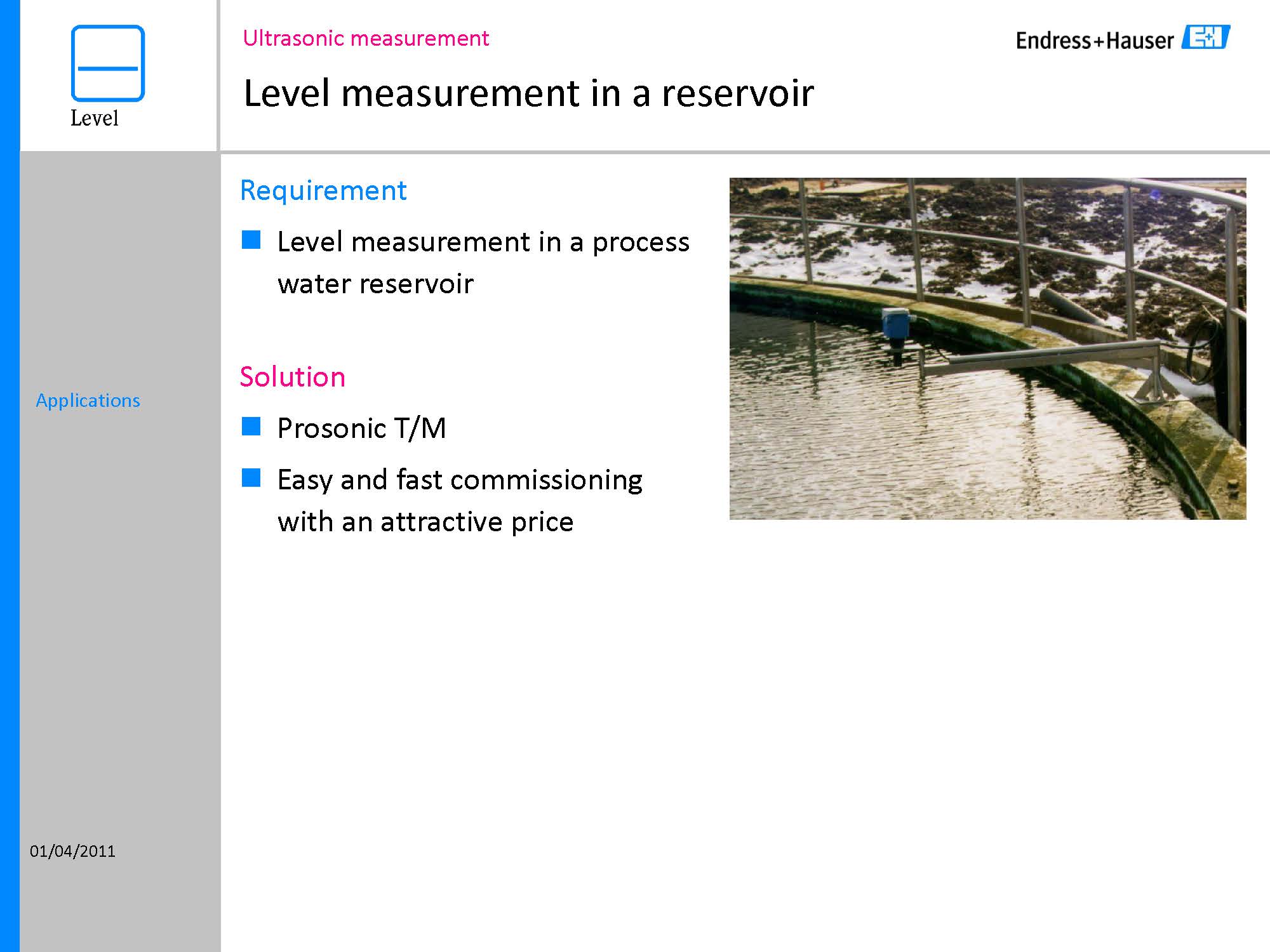
- Water treatment: Choose IP68 protection, corrosion-resistant PVDF material.
- Chemical: Requires explosion-proof certification, such as ATEX or IECEx.
- Food: Hygienic connection, compliant with FDA certification.
Core Selection Factors
Procurement and technical personnel should comprehensively evaluate the following factors when selecting:
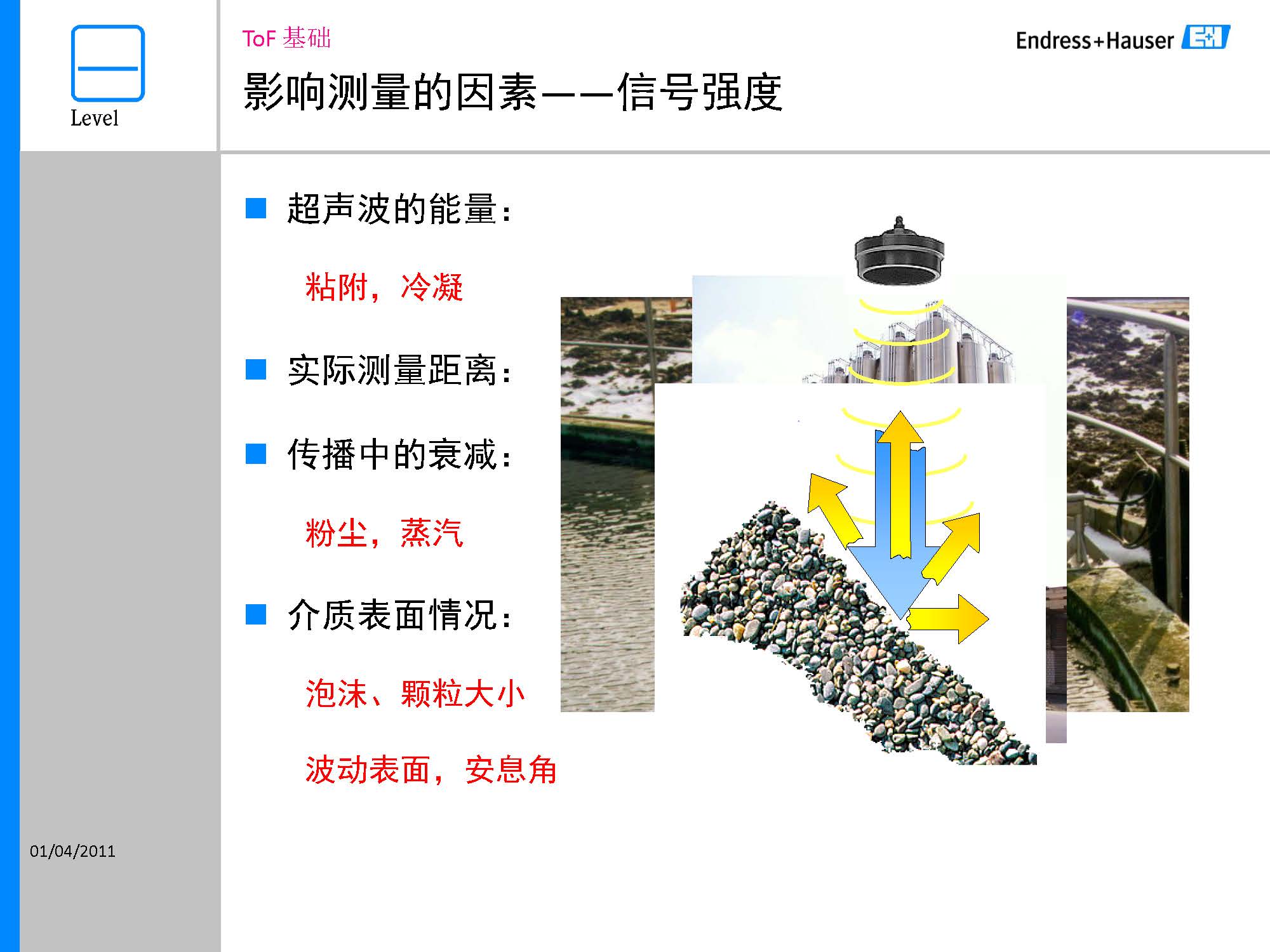
- Medium characteristics: Corrosiveness, temperature, pressure, whether foam is generated.
- Range and accuracy: Determined according to tank height and control requirements.
- Output and communication: 4-20mA, HART, Profibus, etc.
- Certification requirements: Explosion-proof, hygienic, classification society, etc.
- Installation conditions: Flange specifications, thread size, space limitations.
Training Summary
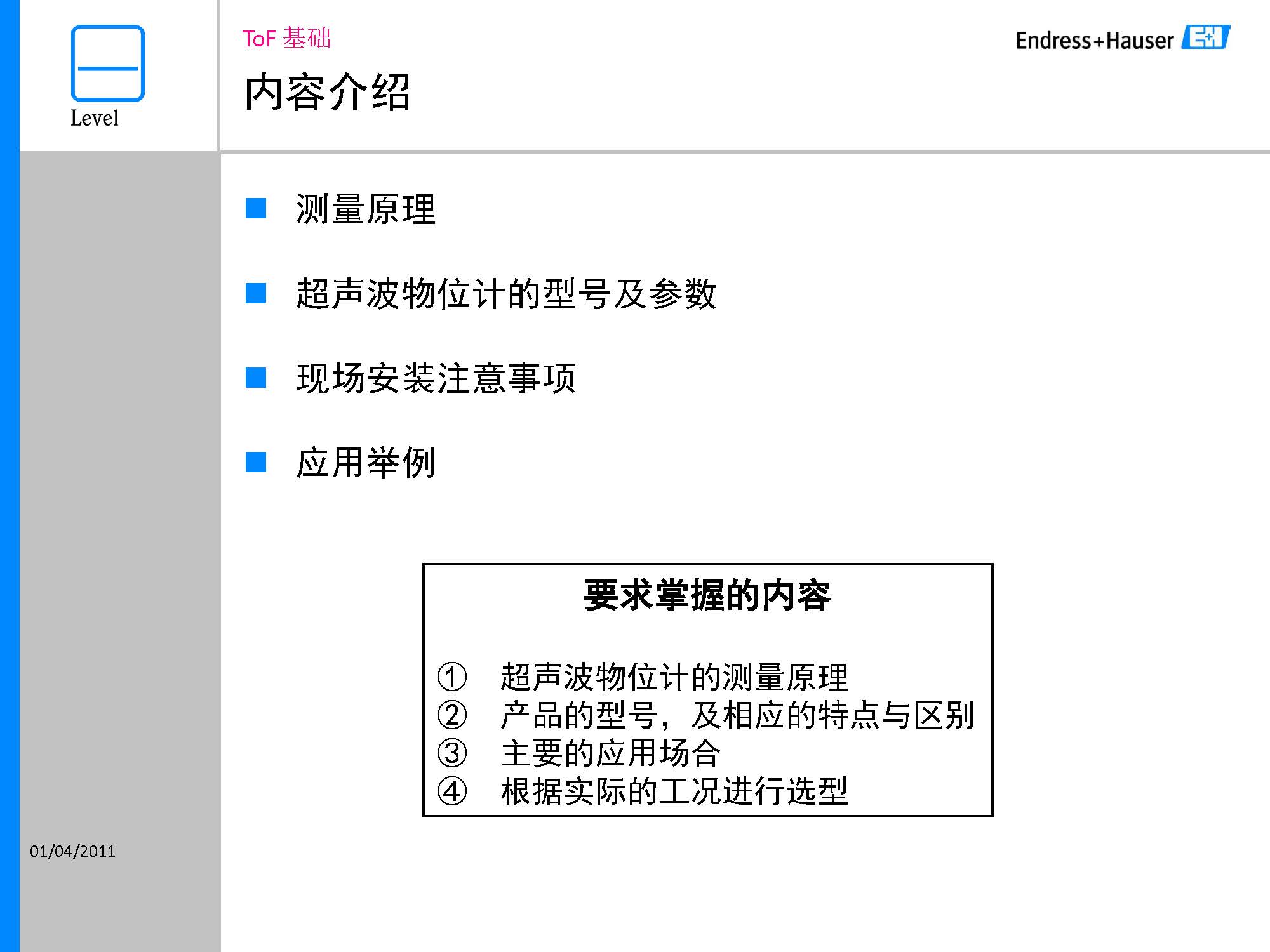
Through this training document, you should have mastered the measurement principle, installation and commissioning methods, and troubleshooting techniques of the E+H ultrasonic level meter. Correct selection and standardized maintenance are the keys to ensuring long-term stable operation. For further information, refer to the official E+H technical manual.