Overview of CAS40D Ammonia Nitrogen Electrode Communication Fault F100
In wastewater treatment processes, stable communication between the ammonia nitrogen electrode CAS40D and the transmitter CM442 is crucial. However, communication fault code F100 often occurs on site, causing measurement interruption. Based on an actual case at the Baihua Wastewater Station in Guangming District, Shenzhen, this article analyzes the cause of the fault in detail and provides solutions.
Fault Symptoms and On-Site Troubleshooting
Fault Symptoms
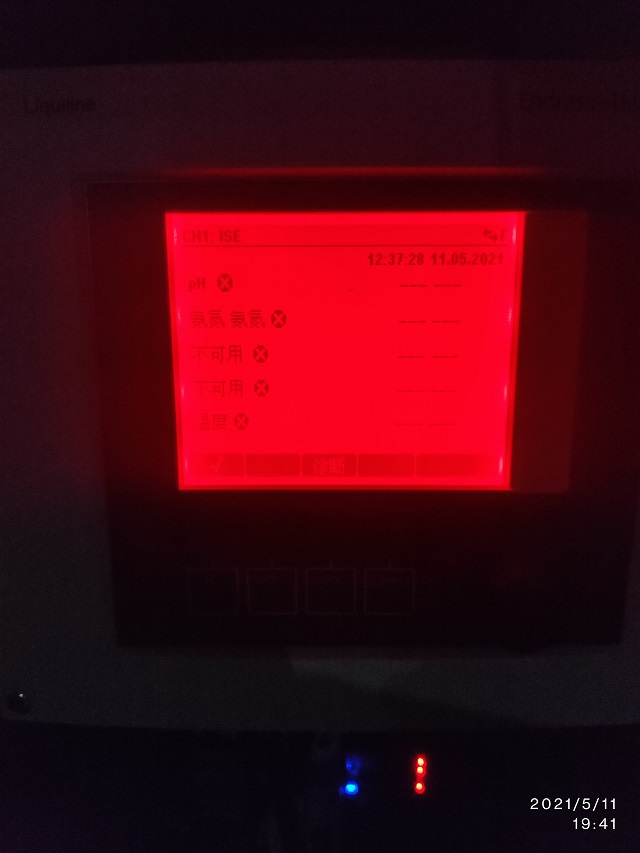
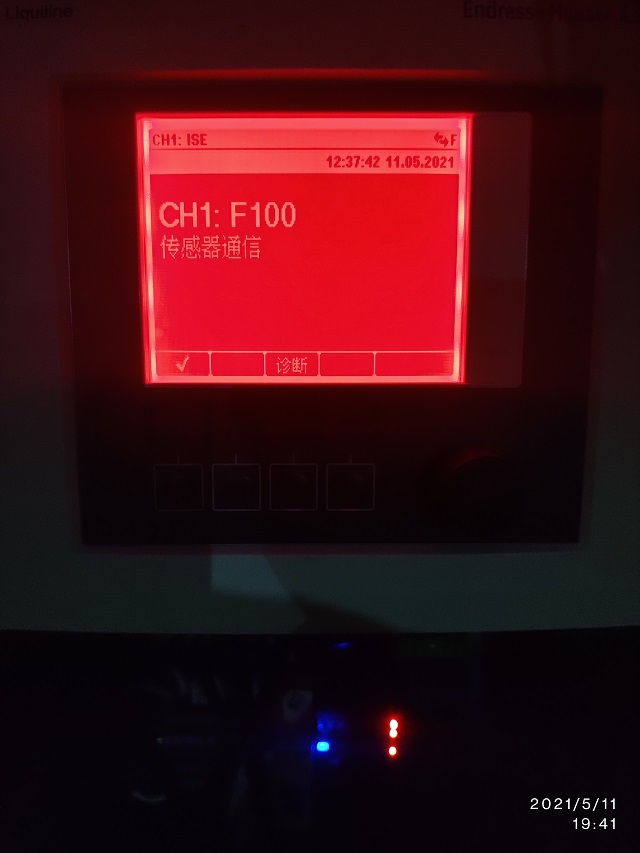
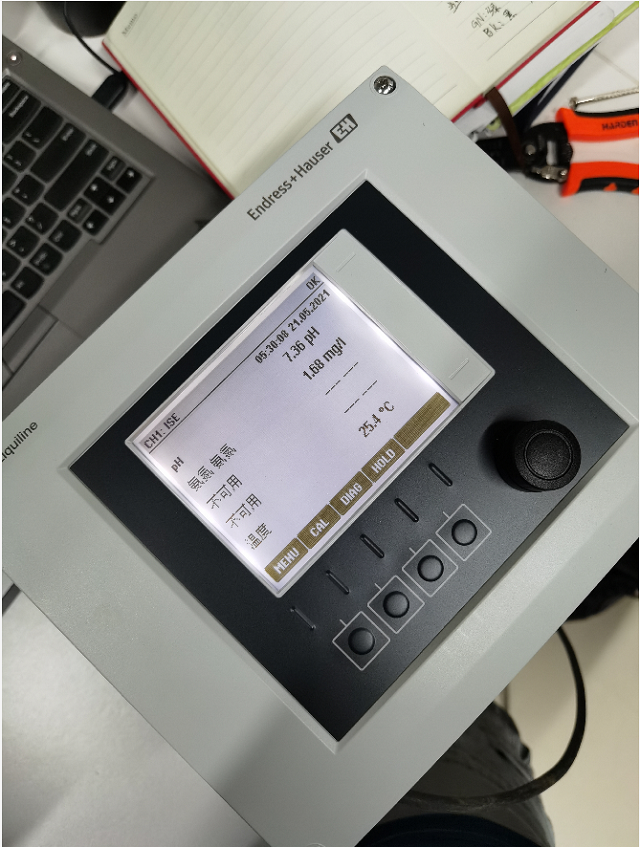
The Baihua Wastewater Station in Guangming District, Shenzhen reported a communication fault between the CAS40D ammonia nitrogen electrode and the CM442 transmitter, with the transmitter displaying error code F100.
On-Site Cause Investigation
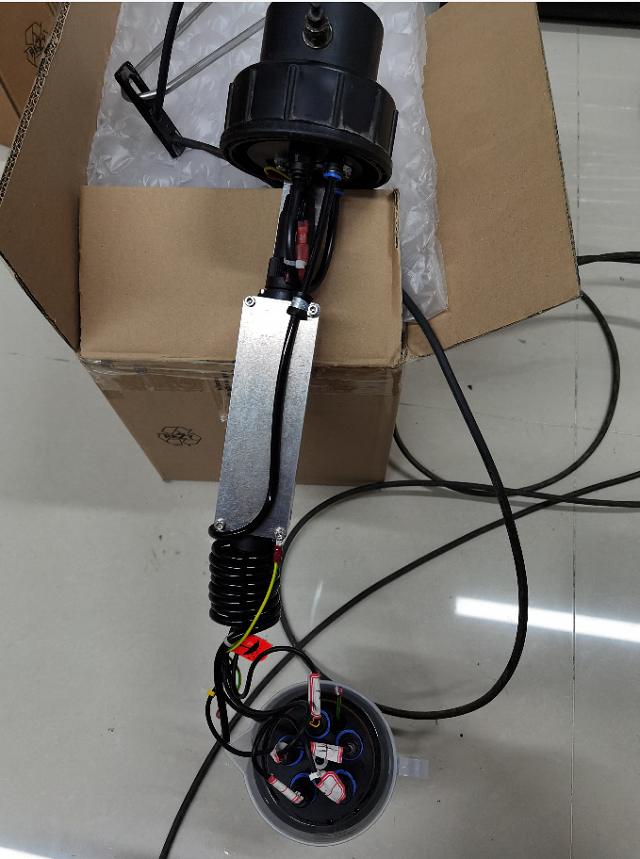
On-site inspection by technicians found that water ingress into the electrode was the direct cause of the communication fault. Moisture intruded into the interior of the electrode, affecting signal transmission and triggering the F100 alarm.
Fault Repair Steps
For communication faults caused by water ingress into the electrode, repair can be carried out according to the following steps:
- Open the electrode sheath: Carefully disassemble the sheath of the CAS40D electrode to expose the internal structure.
- Blow-dry treatment: Use a fan (or the cool air setting of a hair dryer) to thoroughly blow-dry the interior of the electrode to ensure no residual moisture remains.
- Inspection and verification: After reassembly, power on and check whether communication returns to normal.
In this case, after the above treatment, the communication fault disappeared and the problem was solved.
CAS40D Electrode Structure and Maintenance Points
Electrode Type and Features
The CAS40D is an ion-selective electrode, and its internal electrode adopts a modular design that can be replaced separately. This structure facilitates maintenance and reduces long-term use costs.
Maintenance Recommendations
- Regularly check the sealing of the electrode to prevent water ingress.
- If water ingress occurs, timely blow-drying can usually restore function.
- For damaged electrode components, the modular electrode can be replaced.
Comparison of Troubleshooting and Repair
| Item | Normal State | Fault State (F100) |
|---|---|---|
| Communication Status | Stable | Interrupted, displaying F100 |
| Electrode Interior | Dry | Wet due to water ingress |
| Handling Measure | Regular maintenance | Disassembly and blow-drying |
| Repair Result | — | Communication restored |
Summary
CAS40D ammonia nitrogen electrode communication fault F100 is mostly caused by water ingress into the electrode. By disassembling the sheath, blow-drying the interior, and retesting, it can usually be repaired quickly. Paying attention to sealing protection during daily maintenance can effectively avoid such faults.
Ayi Technology, your nearby E+H instrument expert.