
Prosonic 93 Zero Point Adjustment Overview
The zero point adjustment of the Prosonic 93 flowmeter is a key step to ensure measurement accuracy. Correct zero point calibration can eliminate deviations caused by factors such as installation stress and fluid characteristics. This article will detail the zero point calibration process and post-calibration inspection methods.
Zero Point Calibration Steps
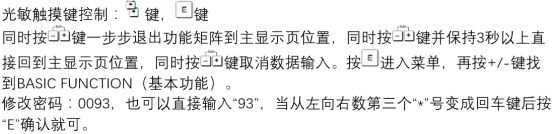
Please follow the steps below for zero point calibration, ensuring that the fluid in the measuring tube is completely stationary.
- Fill the entire measuring tube with liquid. Ensure there are no bubbles or cavities in the pipeline.
- Close the downstream valve, then close the upstream valve. This operation isolates the measuring tube and prevents fluid flow.
- Let it stand for a period to ensure the fluid in the measuring tube is at zero (0m/s). Wait for the fluid to become completely stationary, usually taking a few minutes.
- Start zero point calibration. Execute the calibration command through the transmitter menu or software.
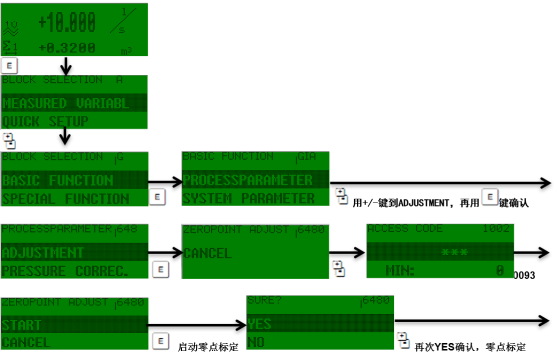
Post-Calibration Inspection Menu
After calibration is completed, check the sensor data to ensure the calibration is effective. Enter the BASIC FUNCTION menu and find SENSOR DATA.
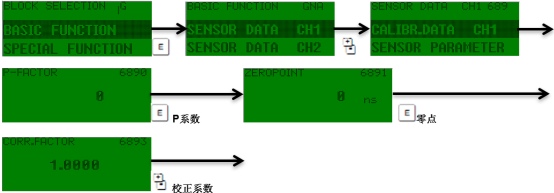
Key Parameter Description
| Parameter | Description | Normal Range/Remarks |
|---|---|---|
| P coefficient | Represents the influence of the velocity distribution of the fluid shape in the pipeline, depending on the Reynolds number. | 0.75-0.95. If it shows 0.75-0.94, the measured value will decrease linearly. |
| ZERO POINT | This function can be used to manually change the value for correction. | Adjust according to the calibration result. |
| CORRECTION FACTOR | Used to correct the measured value. | Usually keep the default; adjust under special circumstances. |
Precautions
- Zero point calibration must be performed when the fluid is completely stationary; otherwise, it will cause measurement errors.
- An abnormal P coefficient may indicate unstable flow conditions in the pipeline or a Reynolds number outside the range.
- Before manually modifying the zero point value or correction factor, please record the original values for restoration.