
Overview of Promass Series Flowmeter Alarm Codes
Promass 100/200/300/500 are Coriolis mass flowmeters from Endress+Hauser widely used in industrial process measurement. When the instrument detects an abnormality, it indicates the specific fault type through an alarm code. Familiarity with these codes helps quickly troubleshoot problems and ensure production continuity.
The following content is compiled based on official materials, covering common alarm codes and their meanings for reference by engineering and technical personnel and procurement staff.
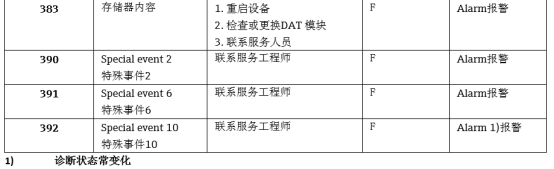
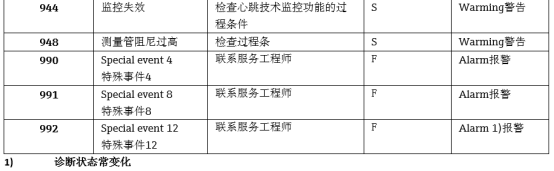
Alarm Code Classification and Quick Reference Table
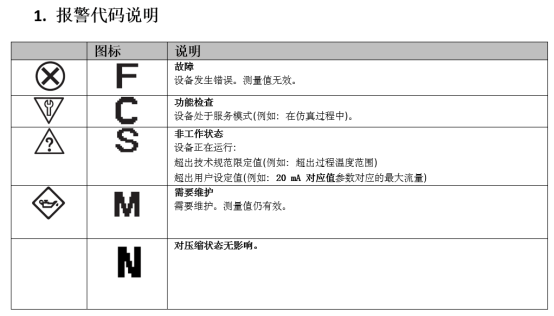
Promass series alarm codes are usually divided into several major categories by fault type, such as sensor faults, electronic component faults, abnormal process conditions, and communication faults. The table below lists some typical codes and brief descriptions.
| Alarm Code | Fault Type | Possible Cause | Handling Suggestion |
|---|---|---|---|
| S001 | Sensor fault | Sensor signal loss or out of range | Check sensor connection and cable |
| S002 | Sensor fault | Excitation coil fault | Contact manufacturer for repair |
| E100 | Electronic component fault | Amplifier module abnormality | Restart instrument or replace module |
| E200 | Abnormal process condition | Medium temperature out of range | Check process temperature |
| E300 | Abnormal process condition | Medium conductivity abnormality | Confirm medium characteristics |
| C400 | Communication fault | HART/Profibus communication interruption | Check wiring and configuration |
Detailed Explanation of Common Alarm Codes
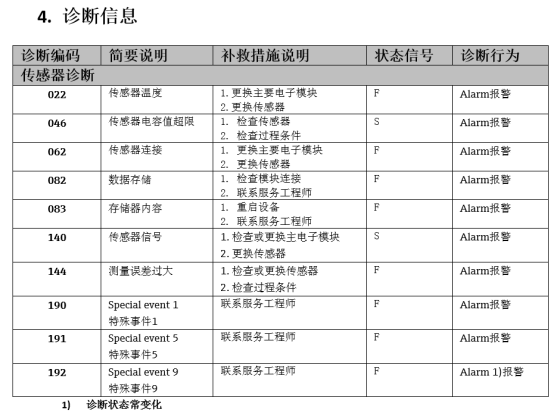
Sensor-related alarms
Sensor alarms are usually related to the measuring tube, coil, or signal processing. For example, code S001 indicates sensor signal loss, which may be caused by a broken cable or loose wiring.
- S001: Check the sensor cable connection and confirm the shield is properly grounded.
- S002: Excitation coil fault, requiring professional repair.
- S003: Temperature sensor fault, check the Pt100 wiring.
Electronic component and process alarms
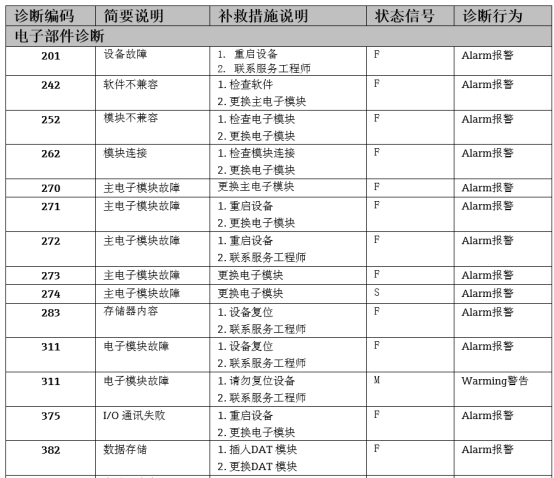
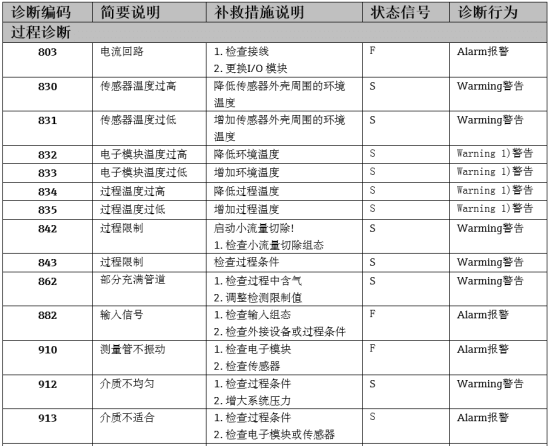
Electronic component alarms involve the internal circuits of the transmitter, while process alarms reflect abnormal medium conditions. For example, E100 indicates an amplifier fault, and E200 indicates that the medium temperature exceeds the set range.
- E100: Try powering off and restarting; if it persists, replace the electronic module.
- E200: Check whether the process temperature exceeds the sensor's temperature limit.
- E300: Confirm whether the medium contains gas or has a conductivity change.
Communication and system alarms
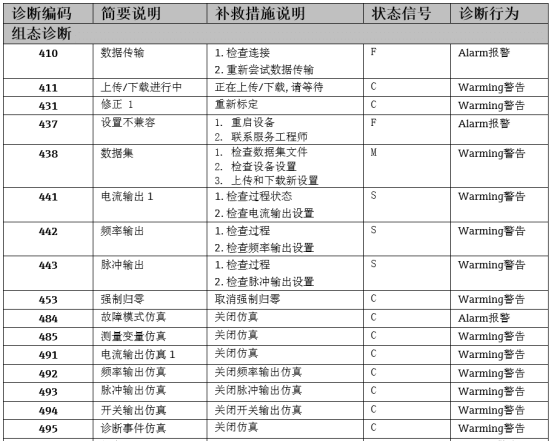
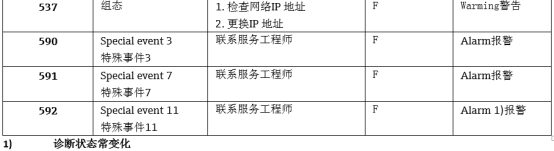
Communication alarms are common in digital protocols such as HART and Profibus. Code C400 indicates communication interruption, requiring checking the network configuration and terminating resistor.
- C400: Check the communication cable and shielding.
- C401: Address conflict, reassign the device address.
- C402: Communication timeout, check the master polling settings.
General Steps for Alarm Handling
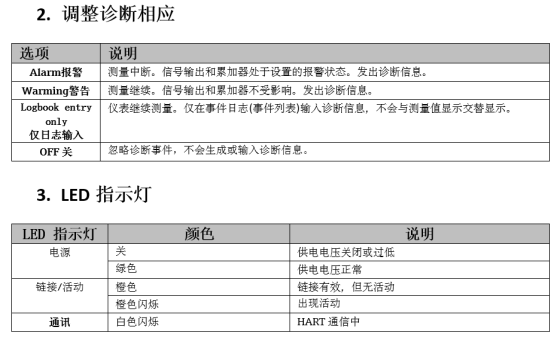
When an alarm occurs, it is recommended to troubleshoot according to the following process to avoid blind operations.
- Record the alarm code and time of occurrence.
- Refer to the alarm list in the corresponding product manual.
- Check power supply, wiring, and process conditions.
- Try to reset or restart the instrument.
- If the fault persists, contact the manufacturer's technical support.
Summary
Mastering the meanings of Promass 100/200/300/500 alarm codes can significantly improve fault response speed. It is recommended to print and post the commonly used code table in the control room and regularly train maintenance personnel.
For a complete code list, please download the official operating manual or contact Endress+Hauser technical support.